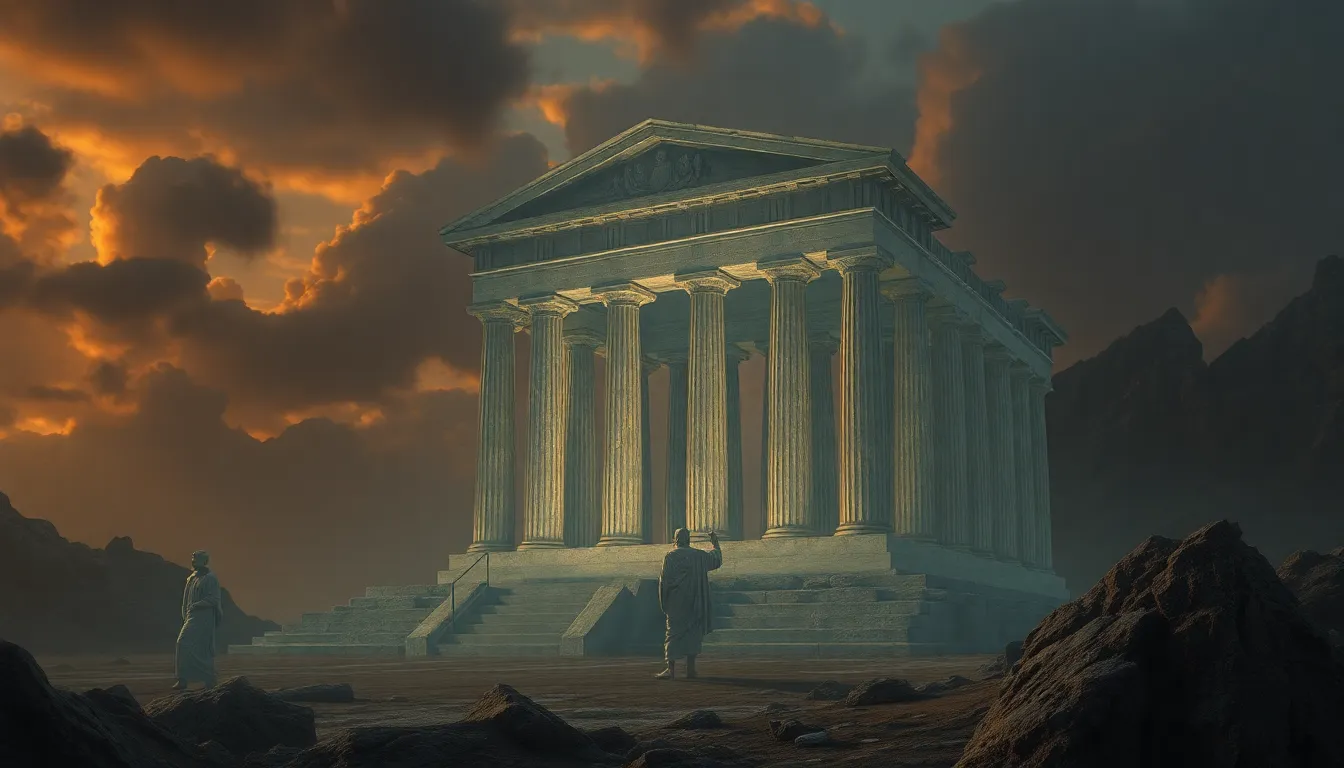
What Lethe Teaches Us About Memory and Identity
I. Introduction
In the realm of Greek mythology, Lethe is known as the river of forgetfulness. Its waters held the power to erase memories, allowing souls to forget their past lives before reincarnation. This profound concept of memory and forgetfulness raises significant questions about the nature of identity and the role that memory plays in shaping who we are.
Memory is crucial in forming our identities, as it influences our experiences, relationships, and how we perceive ourselves and others. In this article, we will explore the mythological background of Lethe, the psychological implications of memory, and how forgetting can be both beneficial and detrimental. We will also examine contemporary representations of Lethe and the philosophical perspectives surrounding memory and identity, ultimately drawing lessons for personal growth.
II. The Mythological Background of Lethe
A. Origins and significance in Greek mythology
Lethe is one of the five rivers of the Underworld in Greek mythology, alongside Acheron, Cocytus, Phlegethon, and Styx. It is often depicted as a tranquil and serene river, flowing through the realm of the dead. The name Lethe itself derives from the Greek word for ‘forgetfulness’ or ‘oblivion.’
According to myth, when souls entered the Underworld, they would drink from the waters of Lethe to forget their earthly lives. This process of forgetfulness was necessary for their reincarnation, as it allowed them to shed the burdens of their past and start anew. Lethe symbolizes the cleansing of memory, providing a stark contrast to the human experience of memory retention and its link to identity.
B. The role of Lethe as one of the five rivers of the Underworld
Lethe’s role as a river in the Underworld highlights the ancient Greeks’ understanding of death and the afterlife. The rivers of the Underworld were believed to facilitate various aspects of the souls’ journey:
- Acheron: The river of pain, where souls would cross to reach the afterlife.
- Cocytus: The river of wailing, associated with the lamentation of the lost.
- Phlegethon: The river of fire, symbolizing punishment in the afterlife.
- Styx: The river of hatred, forming the boundary between the living and the dead.
- Lethe: The river of forgetfulness, allowing for the release of past memories.
C. Connection between water from Lethe and forgetfulness
The act of drinking from Lethe was not merely a physical necessity; it served as a metaphorical representation of the human desire to escape painful memories. In literature and art, Lethe is often portrayed as a means of liberation from the burdens of the past.
This connection between Lethe and forgetfulness invites reflection on how memories can weigh us down and affect our present lives. The river serves as a reminder that while memory is essential for identity, there are times when forgetting can also be a source of healing.
III. Memory as a Construct of Identity
A. The psychological perspective on memory and identity
From a psychological standpoint, memory is intricately linked to our sense of self. The memories we hold shape our beliefs, values, and behaviors. Our identity is often constructed through the narratives formed by our experiences, which are stored in our memory. Psychologist Jerome Bruner suggested that we create our identities through the stories we tell about ourselves, indicating that memory plays a crucial role in shaping personal narratives.
B. How memories shape personal narratives
Personal narratives are the stories we tell about our lives, and they are deeply influenced by our memories. These narratives help us make sense of our experiences and provide continuity in our identities over time. For instance:
- Positive memories contribute to a sense of self-worth and confidence.
- Negative memories can lead to feelings of shame or trauma but can also foster resilience and growth.
- Selective memories can shape our perceptions of relationships and events.
When individuals lose their memories, such as in cases of amnesia or dementia, their personal narratives can become fragmented, leading to confusion regarding their identity. This highlights the integral role of memory in the continuous construction of self.
C. Case studies: Memory loss and identity changes
Numerous case studies illustrate the profound impact of memory loss on identity. For example:
- Clive Wearing: This British musician suffers from severe amnesia due to a viral infection, resulting in an inability to form new memories. His identity is fragmented, as he cannot recall past experiences or recognize loved ones.
- H.M. (Henry Molaison): A famous case in neuroscience, H.M. underwent a lobotomy that resulted in profound memory loss. His identity was altered as he could not form new memories, highlighting the connection between memory and personal continuity.
These cases demonstrate that memory is not just a repository of facts; it is a living part of who we are, continuously shaping our identities.
IV. The Dual Nature of Forgetting
A. The benefits of forgetting for mental health and well-being
While memory is vital for identity, forgetting can also be beneficial. Psychologists have identified several advantages of forgetting:
- Mental health: Forgetting traumatic memories can lead to improved emotional well-being.
- Adaptability: The ability to forget allows individuals to move on from past experiences and adapt to new situations.
- Emotional regulation: Forgetting negative experiences can help maintain a positive outlook on life.
In this sense, Lethe symbolizes the therapeutic aspect of forgetting, providing a pathway to healing and renewal.
B. The risks and implications of losing memories
However, forgetting can also pose risks, particularly when it involves losing essential aspects of our identity. The implications of losing memories can include:
- Identity confusion: Forgetting important life events can lead to a disconnection from one’s sense of self.
- Loss of relationships: Forgetting personal connections can erode relationships and social bonds.
- Impaired decision-making: Memory loss can hinder the ability to make informed choices based on past experiences.
Thus, the dual nature of forgetting necessitates a balance between remembering and letting go, a theme embodied by the river Lethe.
C. Lethe as a metaphor for selective memory
Lethe serves as a powerful metaphor for selective memory, highlighting the human tendency to forget certain aspects of our past while retaining others. Selective memory can manifest in various ways:
- Repressed memories: Traumatic experiences may be unconsciously forgotten as a coping mechanism.
- Idealization: Individuals might remember the past through a rose-colored lens, forgetting the hardships.
- Social dynamics: Groups may collectively forget events that challenge their identity or narrative.
This selective nature of memory reminds us that our identities are not merely a sum of all our experiences; they are shaped by the memories we choose to hold onto.
V. Lethe in Modern Contexts
A. Representations of Lethe in literature and art
Lethe has inspired countless representations in literature and art throughout history. From classical works to modern interpretations, Lethe embodies the themes of memory and forgetfulness. Notable examples include:
- Dante’s “Divine Comedy”: Lethe is referenced as a river of forgetfulness in the journey through the afterlife.
- John Milton’s “Paradise Lost”: The river serves as a symbol of oblivion and the consequences of forgetting divine truths.
- Modern art and poetry: Contemporary artists and writers often explore the themes of memory and identity through the lens of Lethe, emphasizing its relevance to modern life.
B. The relevance of Lethe in contemporary discussions of memory
In today’s fast-paced digital age, the concept of Lethe takes on new significance. The overwhelming influx of information often leads to selective memory, where individuals