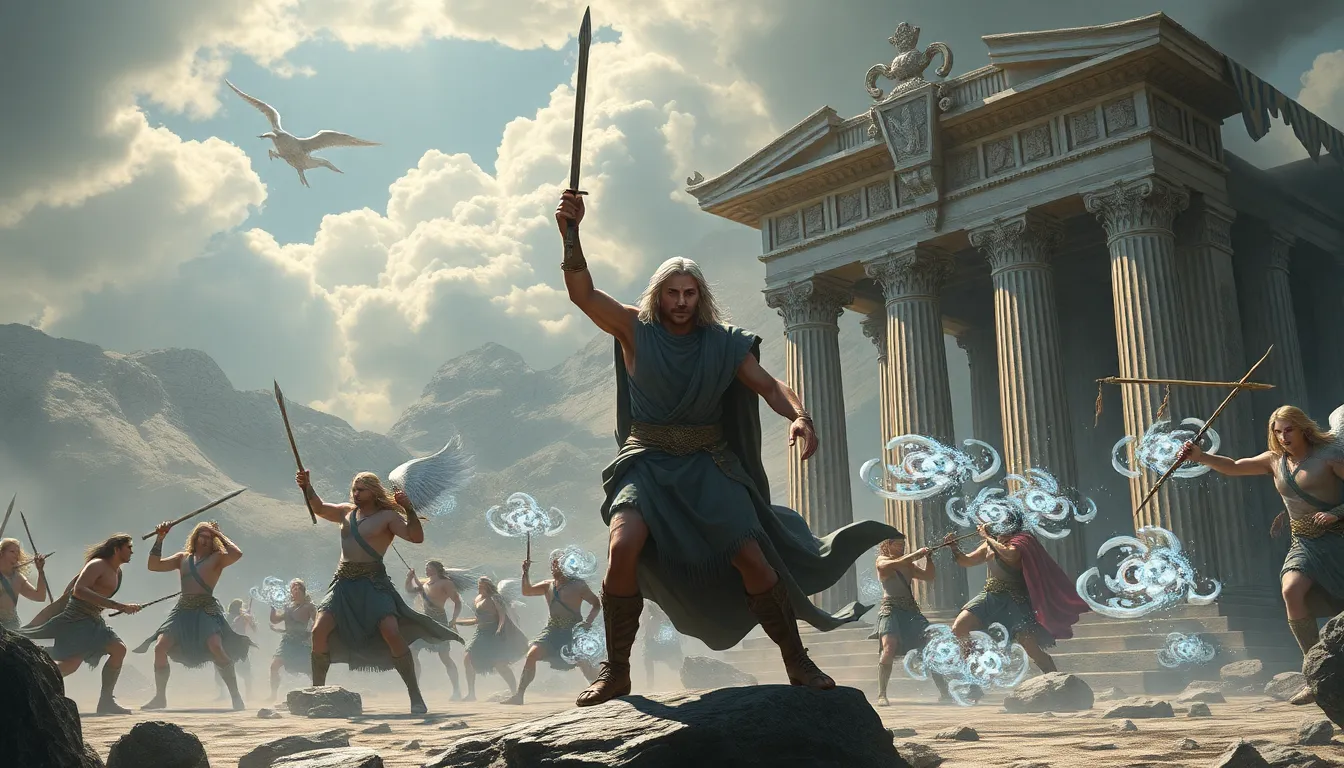
When Heroes Become Legends: The Stories of Divine Confrontations
I. Introduction
In the annals of mythology, heroes are often defined as individuals of extraordinary courage and strength who undertake great quests and face formidable challenges. Legends, on the other hand, are the stories that emerge from these heroic deeds, often embellished over time to inspire and teach. The interplay between heroes and legends is profound, particularly in the realm of divine confrontations.
Divine confrontations, where mortals clash with gods or supernatural beings, serve as pivotal moments in many mythological narratives. These encounters not only highlight the strengths and weaknesses of the heroes but also reflect the values and beliefs of the cultures from which they originate. The significance of these stories extends beyond mere entertainment; they serve as cultural narratives that shape our understanding of heroism and morality.
II. The Nature of Heroism
Heroism is often characterized by several key traits, including bravery, selflessness, and resilience. Heroes are not merely warriors; they are individuals who confront their fears and take risks for the greater good.
A. Characteristics of a hero
- Courage: The ability to face danger or adversity without fear.
- Selflessness: A willingness to put others before oneself.
- Resilience: The capacity to recover from setbacks and continue fighting.
- Moral integrity: Adherence to ethical principles, even in the face of temptation.
B. The transformation from hero to legend
The transition from hero to legend typically involves the hero’s extraordinary deeds being recounted and reinterpreted over time. This transformation is often fueled by the hero’s divine encounters, which elevate their status and embed them in cultural lore.
C. The role of personal sacrifice and moral dilemmas
Many heroic tales involve significant personal sacrifice. Heroes often face moral dilemmas that test their values and resolve. These moments of decision not only define the heroes’ character but also serve as critical turning points that contribute to their legendary status.
III. Historical Context of Divine Confrontations
Divine confrontations have been a recurring theme in ancient myths across various cultures. These stories often illustrate the relationship between mortals and deities, revealing societal values and fears.
A. Overview of ancient myths featuring divine confrontations
From the Greek pantheon to Mesopotamian tales, divine confrontations abound:
- In Greek mythology, heroes like Hercules frequently battled gods and monsters.
- The Epic of Gilgamesh depicts the titular hero’s struggle against divine forces.
- In Norse mythology, Thor often confronts giants and other beings.
B. Cultural variations in the portrayal of heroes and gods
Different cultures portray heroes and gods in unique ways, influenced by their values, beliefs, and historical contexts. For instance, while Greek heroes often demonstrate hubris, Mesopotamian heroes may exhibit a sense of humility before the gods.
C. The impact of these narratives on society and belief systems
These narratives often serve to reinforce societal norms and values, illustrating the consequences of defying divine will or the importance of maintaining balance between human ambition and divine order.
IV. Case Studies: Legendary Heroes and Their Divine Encounters
To illustrate the themes of heroism and divine confrontation, we can examine several legendary figures from various mythologies.
A. Hercules and his twelve labors
Hercules, one of the most famous heroes in Greek mythology, was tasked with completing twelve labors as penance for his actions. Each labor involved confronting formidable foes, often with divine implications:
- Slaying the Nemean Lion
- Capturing the Golden Hind of Artemis
- Obtaining the Apples of the Hesperides
These labors not only tested his strength but also his wit and moral character, solidifying his status as a legendary hero.
B. Gilgamesh and the quest for immortality
In the Epic of Gilgamesh, the eponymous hero embarks on a quest to discover the secret of immortality after the death of his friend Enkidu. His journey leads him to confront various divine beings, including Utnapishtim, who reveals the futility of seeking eternal life. This narrative explores themes of friendship, loss, and the acceptance of human mortality.
C. Beowulf’s battles against supernatural foes
Beowulf, the hero of the Old English epic poem, faces several monstrous adversaries, including Grendel and a dragon. His confrontations with these beings reflect not only his extraordinary strength but also the moral dilemmas of leadership, loyalty, and mortality.
V. The Psychological and Emotional Journey of Heroes
The journey of a hero is often fraught with internal conflicts and emotional struggles that mirror their external battles.
A. Internal conflicts and struggles faced by heroes
Heroes frequently grapple with personal doubts and fears. Their journeys often force them to confront their limitations and the burdens of their responsibilities.
B. The concept of destiny versus free will in hero narratives
Many heroic tales explore the tension between destiny and free will. Heroes are often prophesied to achieve greatness, yet they must choose how to fulfill their destinies, raising questions about the nature of choice and fate.
C. The emotional aftermath of divine confrontations
After confronting divine beings or supernatural forces, heroes often experience profound emotional effects. They may grapple with feelings of guilt, loss, or even a sense of disillusionment regarding their own power and the nature of the divine.
VI. Modern Interpretations of Heroic Legends
As society evolves, so too do the interpretations of heroic legends. Contemporary storytelling continues to draw from ancient myths to explore themes of heroism and morality.
A. The influence of divine confrontations in contemporary storytelling
Modern literature, film, and video games frequently incorporate themes of divine confrontation, reflecting ongoing societal concerns and moral questions.
B. Examples from literature, film, and video games
- Literature: Books like “American Gods” by Neil Gaiman explore the clash between old gods and new.
- Film: Movies such as “Clash of the Titans” reimagine Greek mythological battles.
- Video Games: Titles like “God of War” allow players to embody heroes confronting gods.
C. The relevance of these themes in today’s society
These themes resonate with contemporary audiences, reflecting current struggles with identity, morality, and the nature of power. The heroic journey serves as a metaphor for personal growth and the quest for meaning in a complex world.
VII. The Legacy of Heroes and Their Divine Encounters
The stories of heroes and their divine encounters are passed down through generations, shaping cultural identity and societal values.
A. How legends are formed and passed down through generations
Legends evolve over time, adapting to the cultural context of each generation. Oral traditions, literature, and modern media all play a role in preserving these narratives.
B. The impact of heroic narratives on modern culture and identity
Heroic narratives continue to influence contemporary culture, providing archetypes that inform our understanding of courage, sacrifice, and morality. They serve as touchstones for personal and collective identity.
C. The importance of preserving these stories
Preserving the tales of heroes and their divine encounters is crucial for maintaining cultural heritage. These stories offer insights into human nature and the universal themes that resonate across time and space.
VIII. Conclusion
In summary, the interplay between heroes and their divine confrontations is a rich and complex aspect of mythology. These narratives explore the nature of heroism, the challenges faced by these figures, and the cultural significance of their stories.
As we reflect on the enduring power of heroes and legends, we recognize that their journeys and struggles continue to shape our understanding of what it means to be human. The themes of sacrifice, moral dilemmas, and the quest for meaning remain relevant, reminding us of the timeless nature of these stories in our lives.
Ultimately, the significance of divine confrontations lies