The Impact of Greek Myths on Modern Science Fiction
I. Introduction
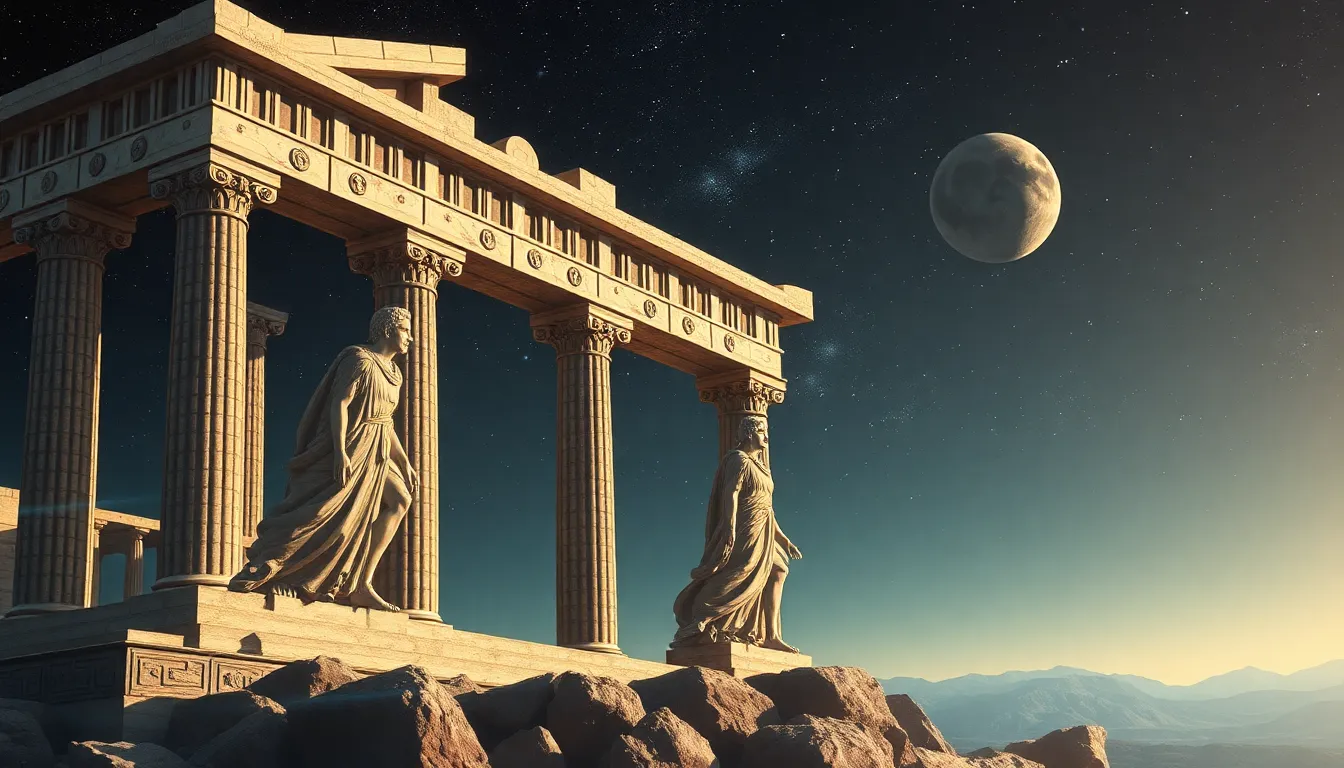
Greek mythology is a collection of stories, legends, and beliefs originating from ancient Greece, centered around gods, heroes, and mythical creatures. These narratives have profoundly influenced Western literature, art, and culture, providing a rich tapestry of archetypes and themes that continue to resonate today.
Modern science fiction, a genre that explores futuristic concepts, advanced technology, and the possibilities of the universe, often weaves its own narratives through the lens of myth, tapping into foundational stories that have shaped human understanding of existence and morality.
This article aims to explore the connections between Greek myths and contemporary sci-fi narratives, examining how they inform character development, thematic exploration, and storytelling techniques.
II. The Archetypal Themes in Greek Myths
A. Hero’s journey and its influence on character development
The hero’s journey, a narrative template identified by Joseph Campbell, is prevalent in both Greek mythology and modern science fiction. In myths, heroes such as Hercules or Odysseus embark on transformative journeys, facing trials that test their character and resolve.
- Call to Adventure: The hero receives a challenge or quest.
- Trials and Challenges: They face obstacles that require growth.
- Return Home: The hero returns transformed, often with newfound wisdom.
In sci-fi, characters like Luke Skywalker in “Star Wars” or Neo in “The Matrix” mirror these archetypal journeys, showcasing the enduring nature of this narrative structure.
B. The concept of fate versus free will
Greek myths often explore the tension between fate and free will, with characters caught in destinies foretold by the gods. This theme is echoed in modern sci-fi, where characters grapple with deterministic futures versus their ability to choose their paths.
For example, films like “Minority Report” delve into the implications of predestination, echoing the myth of Oedipus, who could not escape his prophesied fate.
C. Exploration of morality and ethics through mythological lenses
Greek myths frequently engage with moral dilemmas, questioning right and wrong through the actions of gods and mortals alike. Sci-fi narratives similarly wrestle with ethical issues, particularly concerning technology and its impact on humanity.
Stories like “Frankenstein” and “Blade Runner” examine the consequences of playing god, a theme rooted in the cautionary tales found in Greek mythology.
III. Mythological Creatures and Their Sci-Fi Counterparts
A. Greek monsters and their modern reinterpretations
Greek mythology is filled with fantastical creatures such as the Minotaur, Medusa, and Cerberus, each representing complex fears and societal concerns. In contemporary sci-fi, these monsters often find new life through reinterpretation.
- Minotaur: Transformed into hybrid creatures or genetic experiments.
- Medusa: Reimagined as characters with lethal powers or technological prowess.
- Cerberus: Often depicted as advanced AI or robotic sentries.
B. Alien species inspired by mythological beings
Many alien species in sci-fi draw inspiration from mythological beings. For instance, the Xenomorphs from “Alien” share characteristics with the Chimaera, a creature composed of different animals. These connections enrich sci-fi worlds by embedding familiar mythic elements into alien narratives.
C. The role of hybrid creatures in both genres
Hybrid creatures, blending human traits with those of animals or machines, appear frequently in both Greek myths and science fiction. The centaurs of mythology and cyborgs in modern narratives highlight the exploration of identity and the boundaries of humanity.
IV. The Influence of Greek Gods on Sci-Fi Characters
A. Parallels between Greek deities and modern superheroes
Greek gods embody various human traits and conflicts, serving as archetypes for modern superheroes. Characters like Thor from Marvel Comics echo the god of thunder, while others, such as Wonder Woman, draw from the Amazonian warrior heritage of Greek myths.
B. The representation of power dynamics and divine intervention
Power dynamics in Greek mythology often involve gods intervening in human affairs, a theme mirrored in many sci-fi narratives. The idea of higher powers manipulating events is prevalent in works like “The Matrix,” where the machines control humanity’s reality.
C. Case studies: characters in popular sci-fi influenced by Greek gods
Several contemporary characters draw direct inspiration from Greek deities:
- Superman: Often seen as a modern Hercules, representing strength and moral righteousness.
- Wonder Woman: A direct embodiment of Greek mythology, linked to the Amazons and the goddess Athena.
- Doctor Who: The Doctor’s god-like qualities and ability to manipulate time parallel many mythological figures.
V. Storytelling Techniques: Myth vs. Sci-Fi
A. Narrative structures borrowed from Greek epics
Many sci-fi stories adopt narrative structures reminiscent of Greek epics, featuring grand quests, tragic flaws, and epic battles. This structure not only engages audiences but also pays homage to the storytelling traditions of ancient Greece.
B. Symbolism and allegory in both genres
Symbolism plays a significant role in both Greek myths and sci-fi. For example, the labyrinth in mythology symbolizes complex challenges, while in sci-fi, it can represent the intricacies of technology or society. Allegories in both genres often address societal issues, reflecting human nature and ethics.
C. The role of prophecy and foretelling in sci-fi narratives
Prophecy is a recurrent theme in Greek mythology, where seers predict the fates of heroes. In sci-fi, similar devices are used to foreshadow events, creating tension and intrigue. Works like “Dune” incorporate prophetic elements that drive the narrative and shape character destinies.
VI. The Scientific and Philosophical Implications
A. How Greek myths address existential questions relevant to sci-fi
Greek mythology grapples with profound existential questions about life, death, and the purpose of existence. Sci-fi similarly explores these themes, often questioning humanity’s place in the universe. Stories like “2001: A Space Odyssey” provoke contemplation about evolution and intelligence.
B. The influence of mythological themes on scientific concepts
Many scientific concepts, such as genetic engineering and artificial intelligence, have roots in mythological narratives about creation and transformation. The story of Prometheus, who defied the gods to bring fire to humanity, parallels contemporary discussions about scientific ethics and innovation.
C. Speculative technology and its mythological roots
Speculative technologies in sci-fi often find inspiration in mythological artifacts. The idea of advanced gadgets, like weapons or tools bestowed by the gods, has evolved into modern interpretations of technology that challenge ethical boundaries, much like Icarus’s flight toward the sun.
VII. Case Studies: Notable Sci-Fi Works Inspired by Greek Myths
A. Analysis of specific novels, films, and series
Numerous sci-fi works explicitly reference Greek mythology:
- “The Hunger Games”: The concept of sacrifice and the spectacle of violence echoes the myth of Theseus and the Minotaur.
- “Battlestar Galactica”: The struggle against the gods mirrors the human experience in Greek tragedies.
- “Percy Jackson & The Olympians”: Directly blends Greek mythology with modern adventure and coming-of-age themes.
B. Comparison of themes and characters with Greek mythological sources
In “The Hunger Games,” the theme of sacrifice resonates with the myth of Iphigenia, who was sacrificed for the greater good, drawing parallels between characters’ motivations and mythological precedents.
C. Reception of these works in relation to their mythological inspirations
Many of these works have received critical acclaim for their innovative integration of mythological themes, appealing to both audiences familiar with Greek mythology and new readers or viewers. The blending of ancient stories with modern settings creates a rich narrative experience that continues to captivate.
VIII. Conclusion
In summary,