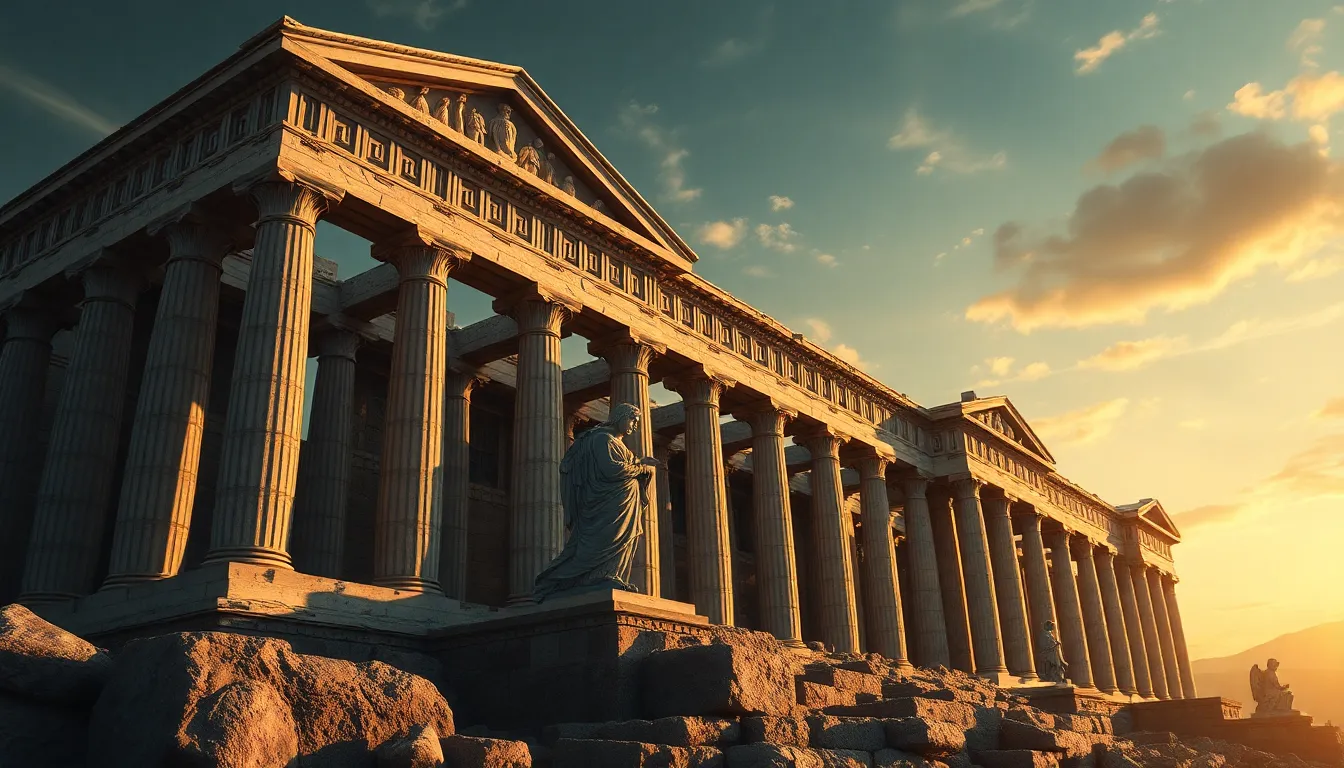
The Legacy of Greek Myths in Today’s Digital Age
I. Introduction
Greek mythology, with its rich tapestry of gods, goddesses, heroes, and mystical creatures, has captivated humanity for centuries. Originating in ancient Greece, these myths served not only as entertainment but also as a means to explain the world around them, encompassing everything from natural phenomena to human emotions. The historical significance of Greek mythology lies in its profound impact on literature, art, and culture throughout the ages.
In contemporary culture, Greek myths remain incredibly relevant, inspiring countless adaptations and interpretations across various media. From novels to films, the themes and archetypes of these ancient stories resonate with modern audiences, reflecting timeless human experiences and moral lessons.
This article aims to explore the enduring legacy of Greek myths in the digital age, examining their influence on modern literature, media, social platforms, video games, art, and education.
II. The Enduring Appeal of Greek Myths
One of the reasons Greek myths have remained so popular is their timeless themes and archetypes. These narratives encompass fundamental human experiences such as love, betrayal, ambition, and the struggle against fate. Some key aspects of their enduring appeal include:
- Timeless Themes: Greek myths deal with universal themes such as heroism, sacrifice, and the quest for knowledge, which continue to resonate with audiences today.
- Universal Moral Lessons: The stories often convey important moral lessons, highlighting virtues such as bravery, wisdom, and the consequences of hubris.
- Emotional Resonance: The narratives tap into deep emotional experiences, allowing readers and viewers to connect with the characters and their journeys.
III. Greek Myths in Modern Literature and Media
Greek myths have significantly influenced modern literature and media, leading to a resurgence of interest in these ancient tales. Various forms of contemporary adaptations include:
A. Adaptations in Contemporary Novels and Poetry
Numerous authors have reimagined Greek myths in their works, infusing them with modern sensibilities. For instance:
- Madeline Miller’s “Circe”: This novel presents the story of Circe, the enchantress from Homer’s “Odyssey,” in a feminist light, exploring her struggles and empowerment.
- Stephen Fry’s “Mythos”: Fry retells the Greek myths with humor and accessibility, making them engaging for contemporary readers.
B. Influence on Film, Television, and Streaming Platforms
Films and television shows have also drawn heavily from Greek mythology:
- “Clash of the Titans”: This film reinterprets the myth of Perseus, showcasing epic battles against mythical creatures.
- “Percy Jackson & The Olympians”: A popular series that introduces Greek mythology to a younger audience through the adventures of a demigod.
C. The Resurgence of Graphic Novels and Comic Book Adaptations
Graphic novels have emerged as a vibrant medium for retelling Greek myths:
- “Lore Olympus”: A modern retelling of the story of Hades and Persephone, presented through a contemporary lens.
- Rick Riordan’s graphic novel series: These adaptations bring Greek mythology to life with engaging illustrations and storylines for younger readers.
IV. The Role of Social Media in Reimagining Myths
Social media platforms have become powerful tools for reimagining and disseminating Greek myths, engaging younger audiences in unique ways:
A. Viral Trends and Memes Inspired by Greek Mythology
Memes often draw from mythological references, making them relatable and humorous:
- Examples include memes about the gods’ personalities and their interactions, often highlighting their flaws and human-like traits.
- These memes serve to make ancient stories more accessible and entertaining for a digital audience.
B. Digital Storytelling through Platforms like TikTok and Instagram
Platforms like TikTok and Instagram have fostered a new form of storytelling:
- Creators share short videos that reinterpret myths, often combining them with modern challenges or themes.
- These platforms allow for creative expression through storytelling, art, and humor, making myths a part of everyday digital culture.
C. Engagement with Younger Audiences through Interactive Content
Interactive content encourages engagement and education:
- Quizzes, challenges, and interactive storytelling formats invite users to explore Greek myths actively.
- This engagement helps to maintain interest in the narratives and encourages further exploration of the stories behind them.
V. Greek Myths in Video Games and Virtual Reality
Video games have increasingly incorporated Greek mythology, allowing players to immerse themselves in these ancient stories:
A. Popular Video Games that Incorporate Mythological Themes
Several games explore mythological themes, providing players with engaging experiences:
- “God of War”: A critically acclaimed series that follows Kratos, a warrior embroiled in the conflicts of the gods.
- “Hades”: A rogue-like dungeon crawler that incorporates characters and stories from Greek mythology in a unique narrative format.
B. Immersive Experiences in Virtual Reality and Augmented Reality
Virtual reality (VR) and augmented reality (AR) offer new ways to experience Greek myths:
- VR experiences allow users to step into the world of ancient Greece, interacting with mythological figures and environments.
- AR apps can bring mythological stories and characters to life in the user’s environment, enhancing the learning experience.
C. The Educational Potential of Games Based on Greek Myths
Games can serve as educational tools, offering insights into ancient cultures:
- They can introduce players to historical contexts, mythological narratives, and moral lessons embedded in the stories.
- This approach fosters engagement and curiosity, making learning about mythology enjoyable and interactive.
VI. Artistic Expressions and Greek Myths in the Digital Realm
Digital art has flourished, inspired by the rich narratives and characters of Greek mythology:
A. Digital Art Inspired by Mythological Characters and Stories
Artists create stunning visuals that reinterpret mythological stories:
- These artworks can range from traditional representations to modern, abstract interpretations, showing the versatility of mythological themes.
- Digital platforms provide artists with a broad audience, allowing their work to reach enthusiasts of mythology and art.
B. The Role of Online Platforms in Showcasing Myth-Themed Art
Online platforms such as Instagram, DeviantArt, and ArtStation are vital for artists:
- These platforms allow artists to share their work with a global audience, connecting with others who appreciate mythology.
- Community engagement can lead to collaborations and increased visibility for myth-inspired art.
C. Collaborations between Traditional Artists and Digital Creators
Cross-medium collaborations enhance the representation of Greek myths:
- Traditional artists may collaborate with digital creators to bridge the gap between classical and contemporary art forms.
- These partnerships can explore new interpretations and methods of storytelling, enriching the cultural landscape.
VII. The Educational Impact of Greek Myths Today
Greek mythology continues to play a significant role in education, particularly in digital learning environments:
A. Incorporating Greek Mythology in Digital Learning Platforms
Many educational platforms now include modules on Greek mythology:
- These resources often feature interactive elements that enhance learning and engagement.
- Courses may cover themes, characters, and historical contexts, providing a comprehensive understanding of the myths.
B. Enhancing Cultural Literacy through Online Courses and Resources
Online courses have made Greek mythology accessible to a wider audience:
- They foster cultural literacy, helping students appreciate the influence of these myths on literature, art, and society.
- Resources such as podcasts,