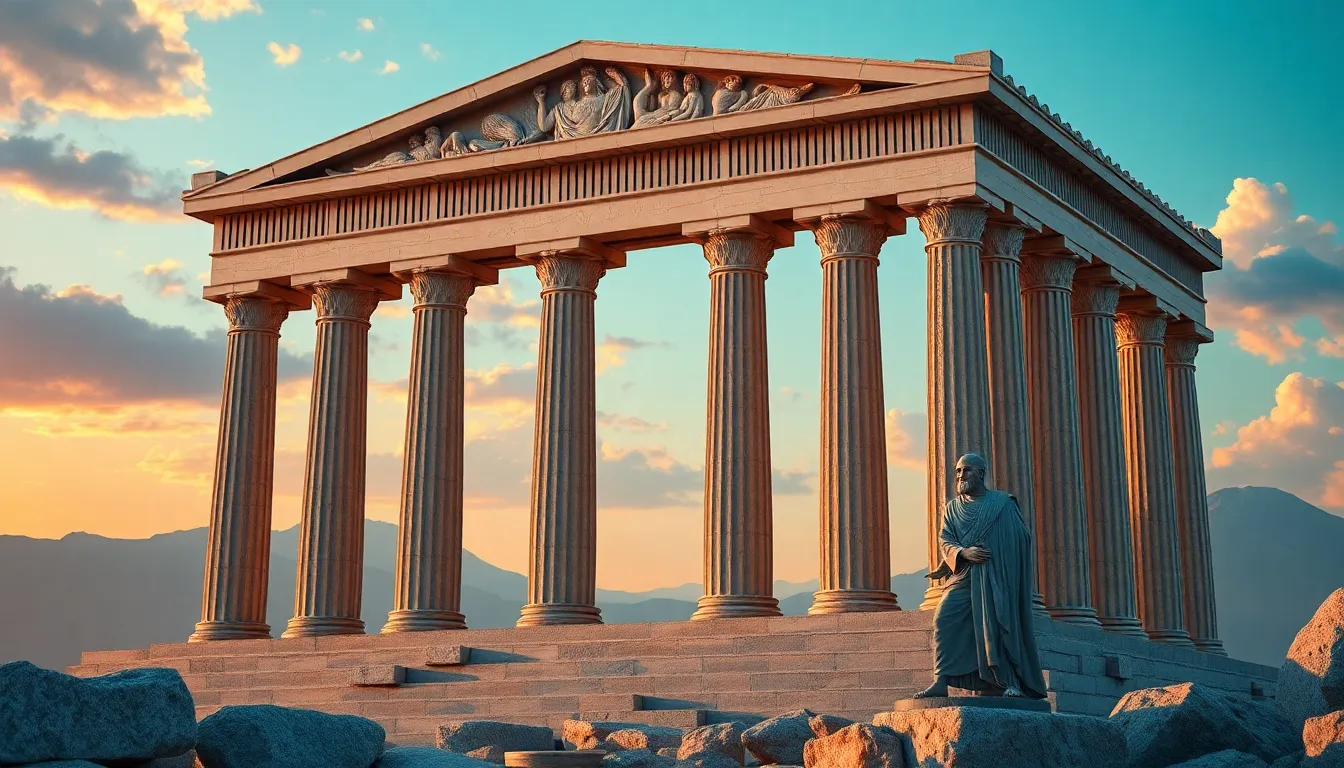
How Greek Myths Inspire Modern Day Innovators
I. Introduction
Greek mythology, a rich tapestry of tales filled with gods, heroes, and extraordinary adventures, continues to captivate the human imagination. These ancient stories not only provide entertainment but also offer profound lessons about the human experience, creativity, and innovation. The relevance of these myths transcends time, influencing various aspects of modern culture, including art, literature, and, particularly, innovation.
This article aims to explore the connections between Greek mythology and contemporary creativity. By examining how ancient myths inspire modern innovators, we can uncover timeless lessons that remain relevant today. Through the lens of heroism, imagination, collaboration, fate, transformation, and ethics, we will see how these mythical themes resonate in the lives of today’s creators and entrepreneurs.
II. The Archetype of the Hero: Lessons from Hercules
At the heart of many Greek myths lies the archetype of the hero. The hero’s journey, as exemplified by Hercules, is a narrative structure that speaks to the challenges and triumphs faced by individuals pursuing greatness. Hercules, renowned for his extraordinary strength and courage, undertakes a series of daunting tasks known as the Twelve Labors, each designed to test his limits and resolve.
The perseverance exhibited by Hercules inspires modern entrepreneurs in several ways:
- Resilience: Hercules faced seemingly insurmountable challenges but continued to push forward, teaching us the importance of resilience in the face of setbacks.
- Goal Orientation: Each of Hercules’s labors represented a specific goal, highlighting the need for clear objectives in any innovative endeavor.
- Resourcefulness: Hercules often had to think creatively to overcome obstacles, a trait that is invaluable for today’s innovators.
Numerous modern innovators embody the hero archetype:
- Elon Musk: Known for his ambitious goals, Musk has faced significant challenges in the automotive and space industries, much like Hercules faced his labors.
- Oprah Winfrey: Overcoming a difficult childhood, she has become a media mogul, exemplifying resilience and the pursuit of personal growth.
III. The Power of Imagination: Daedalus and Icarus
The myth of Daedalus and Icarus serves as a powerful symbol of creativity and the risks associated with innovation. Daedalus, a master craftsman, designed the Labyrinth and created wings for himself and his son, Icarus, to escape imprisonment. However, Icarus’s hubris led him to fly too close to the sun, resulting in his tragic fall.
This myth imparts several key lessons about innovation:
- Embracing Creativity: Daedalus’s ingenuity exemplifies the importance of creativity in problem-solving and innovation.
- Understanding Risk: The story warns of the dangers of overreach and the necessity of balancing ambition with caution.
- Learning from Failure: Icarus’s fate teaches innovators that failure can be a powerful teacher, prompting reflection and adaptation.
Innovators who have embraced risk-taking include:
- Steve Jobs: His vision for Apple and willingness to challenge norms led to groundbreaking products, even amidst significant setbacks.
- Richard Branson: Known for his adventurous spirit, Branson has launched numerous successful ventures, often taking bold risks.
IV. The Role of the Gods: Divine Inspiration and Collaboration
In Greek mythology, collaboration often occurs between gods and mortals. Figures like Athena, the goddess of wisdom, and Hephaestus, the god of craftsmanship, exemplify the power of teamwork in achieving greatness. Their partnerships lead to the creation of remarkable inventions and solutions.
In the modern world, collaboration is a crucial driver of innovation:
- Interdisciplinary Teams: Diverse teams combining different expertise can lead to more creative solutions.
- Strategic Partnerships: Companies often form alliances to leverage each other’s strengths, much like mythological figures working together.
- Networking: Building relationships within industries fosters an environment of collaboration and shared innovation.
Examples of modern-day partnerships that echo these mythological alliances include:
- Microsoft and LinkedIn: A strategic collaboration that enhances productivity tools and professional networking.
- Spotify and Hulu: A partnership that offers bundled services, enhancing user experience and engagement.
V. The Concept of Fate and Free Will: Choices in Innovation
The tension between fate and personal agency is a recurring theme in Greek mythology. Characters like Oedipus grapple with predetermined destinies, while others, like Perseus, seize opportunities to shape their own paths. This duality reflects the challenges faced by modern innovators as they navigate their journeys.
Innovators often encounter obstacles that seem dictated by fate, but they also possess the agency to make choices that can alter their trajectories:
- Overcoming Adversity: Many successful entrepreneurs have faced significant hardships yet managed to carve their own paths.
- Seizing Opportunities: Innovators must be vigilant and ready to act when opportunities arise, much like the heroes of myth.
- Learning from Mistakes: The ability to adapt and learn from failures is crucial in transforming one’s fate.
Stories of successful innovators who changed their destinies include:
- Howard Schultz: From a humble upbringing, Schultz transformed Starbucks into a global coffee empire by seizing opportunities and making strategic choices.
- J.K. Rowling: After facing numerous rejections, Rowling persisted and ultimately created a literary phenomenon with the Harry Potter series.
VI. The Symbolism of Transformation: Metamorphoses in Myth
Transformation is a central theme in many Greek myths, exemplified in Ovid’s “Metamorphoses,” where characters undergo dramatic changes. This symbolism reflects the importance of adaptability and evolution in the context of innovation. In a rapidly changing world, the ability to transform is vital for survival and success.
Myths of transformation highlight the significance of:
- Adaptability: Innovators must be willing to pivot and evolve their ideas in response to new information and changing circumstances.
- Continuous Learning: Embracing lifelong learning can lead to personal and professional growth.
- Innovation Cycle: The process of trial and error is often necessary for successful transformation.
Contemporary examples of companies that have transformed their industries include:
- Netflix: Originally a DVD rental service, Netflix adapted to streaming technology and became a leader in digital entertainment.
- Amazon: Transitioning from an online bookstore to a global e-commerce giant, Amazon continually evolves to meet consumer needs.
VII. Ethical Lessons from Greek Myths: Innovation with Integrity
Greek myths are replete with moral dilemmas that challenge characters to consider the ethical implications of their actions. One notable example is Prometheus, who defied the gods to bring fire to humanity, symbolizing the pursuit of knowledge and the ethical challenges that accompany innovation.
The significance of ethical considerations in modern innovation cannot be overstated:
- Responsibility: Innovators must consider the potential impact of their creations on society and the environment.
- Integrity: Upholding ethical standards fosters trust and credibility in businesses and innovations.
- Long-Term Thinking: Ethical innovation can lead to sustainable success, rather than short-term gains.
Inspiring stories of innovators who prioritize ethics include:
- Patagonia: A company committed to environmental sustainability, Patagonia uses its platform to advocate for responsible practices.
- Banksy: The anonymous street artist, through his work, challenges societal norms and provokes thought on ethical issues in contemporary culture.
VIII. Conclusion
Greek mythology, with its rich narratives and profound themes, offers invaluable insights that resonate with modern innovators. From the hero