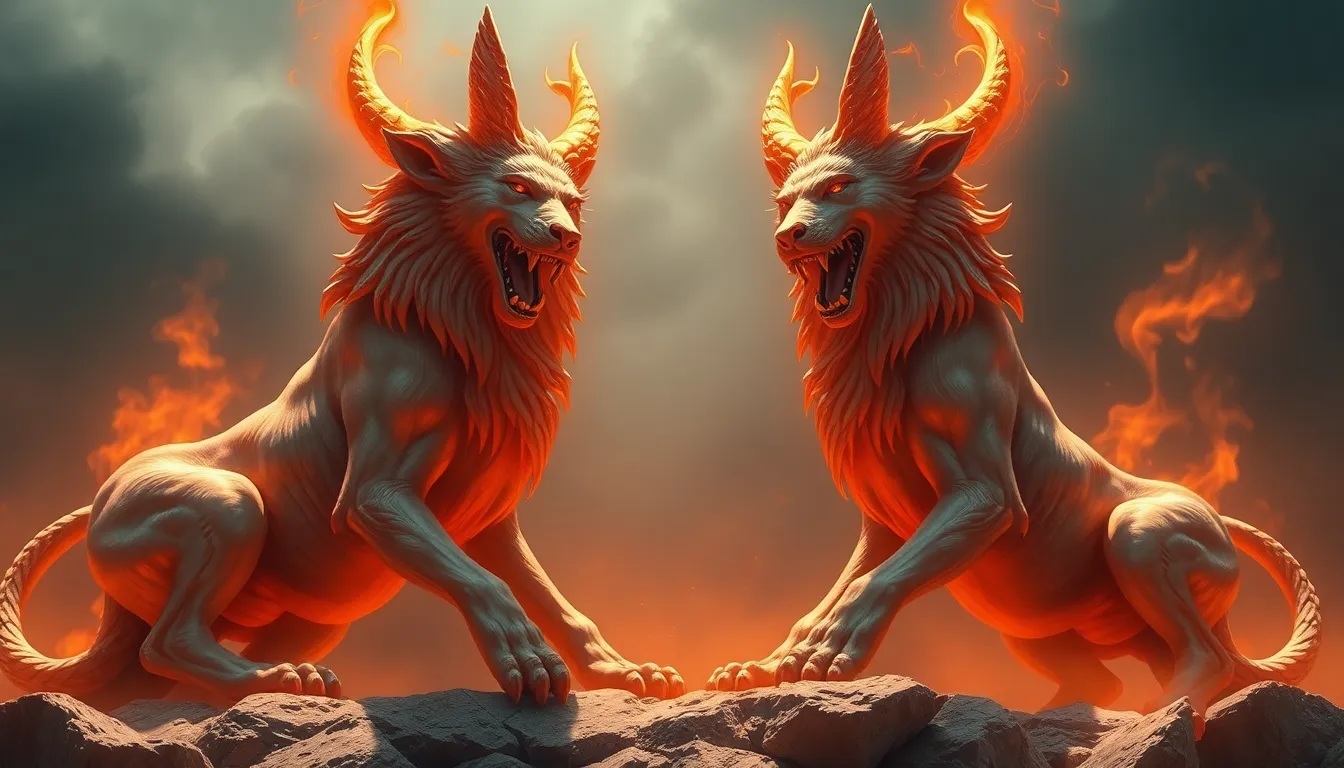
Cerberus: The Mythical Beast as a Reflection of Human Nature
I. Introduction
Cerberus, the formidable three-headed dog of Greek mythology, is one of the most iconic creatures to emerge from the tales of ancient Greece. Serving as the guardian of the Underworld, Cerberus is often depicted as a fearsome beast that prevents the living from entering the realm of the dead and ensures that the dead do not escape. This mythological creature plays a significant role in understanding the complexities of human nature, as mythological beings often symbolize various facets of humanity.
Mythological creatures serve as mirrors reflecting our fears, emotions, and moral dilemmas. In the case of Cerberus, he embodies critical aspects of human nature, including fear, loyalty, and the eternal struggle between good and evil. Through exploring the myth of Cerberus, we can gain insights into the psychological and emotional landscapes that define our existence.
II. The Origins of Cerberus in Mythology
The mythology surrounding Cerberus can be traced back to ancient Greek literature, with references appearing in works such as Hesiod’s “Theogony” and Virgil’s “Aeneid.” His origins are shrouded in the rich tapestry of Greek myths, where he is often depicted as the offspring of the monstrous Echidna and Typhon, symbolizing chaos and the darker aspects of existence.
Cerberus is primarily known as the guardian of the Underworld, a role that emphasizes his importance in the cycle of life and death. As the gatekeeper to Hades, he ensures that souls are properly guided to their final resting place, highlighting the themes of mortality and the afterlife in Greek thought.
- Historical Context: Cerberus’ myth is rooted in the ancient Greek understanding of the afterlife and the necessity of guarding the threshold between the living and the dead.
- Symbolism of Three Heads: The three heads of Cerberus symbolize various aspects of existence—past, present, and future, or even the duality of life and death.
III. Fear and the Unknown
Cerberus serves as a powerful personification of fear, particularly the fear of death and the unknown. His fearsome appearance and fierce demeanor evoke a primal instinct in humans to avoid what is unknown or potentially harmful. This aspect of Cerberus resonates deeply with our intrinsic anxiety about mortality and the afterlife.
Fear plays a crucial role in human behavior and decision-making, often guiding us away from danger and toward safety. In mythology, Cerberus embodies this fear, standing as an obstacle that heroes must confront in their journeys to the Underworld. His presence highlights the necessity of facing our fears, a theme that is as relevant today as it was in ancient times.
Furthermore, Cerberus’ role in the journey to the afterlife illustrates the importance of acknowledging and confronting fear. Those who seek to enter the Underworld must demonstrate courage and resolve, serving as a metaphor for the challenges we face in our own lives.
IV. Loyalty and Protection
Cerberus’ unwavering devotion to Hades is a significant aspect of his character. As the loyal guardian of the Underworld, he exemplifies the theme of loyalty, which is a prominent trait in human relationships. Loyalty can manifest in various forms, from steadfastness in friendships to unwavering allegiance to loved ones.
However, the duality of loyalty is also evident in Cerberus’ nature. While he protects the realm of the dead, his loyalty can also be viewed as possessiveness, reflecting the darker sides of attachment. This duality prompts reflection on how loyalty can serve both as a protective force and a potential source of conflict.
- Protection: Cerberus safeguards the Underworld, ensuring that the dead remain undisturbed, highlighting the protective aspects of loyalty.
- Possessiveness: His fierce protection can also be interpreted as a possessive nature, raising questions about the boundaries of loyalty in human relationships.
V. The Struggle Between Good and Evil
Cerberus stands as a gatekeeper between the realms of the living and the dead, embodying the moral complexities of existence. His role as a guardian raises questions about the nature of good and evil, as he is tasked with maintaining order in the chaotic world of the Underworld.
The moral implications of Cerberus’ role are profound, as he symbolizes the struggle between the forces of good and evil that permeate human life. In many myths, heroes must confront Cerberus, representing the internal conflicts that each individual faces when grappling with their own morality.
This struggle is a reflection of humanity’s internal conflicts, where the line between good and evil often blurs. Cerberus’ presence serves as a reminder of the moral challenges we encounter and the choices we must make throughout our lives.
VI. Cerberus in Modern Culture
The legacy of Cerberus continues to thrive in modern culture, appearing in various forms of literature, film, and art. From Dante Alighieri’s “Inferno” to contemporary adaptations in movies and video games, Cerberus remains a powerful symbol of the human condition.
Representations of Cerberus often reflect contemporary issues, such as the fear of death, loyalty in relationships, and the moral dilemmas faced in modern life. These interpretations bridge the gap between ancient mythology and present-day concerns, showcasing the enduring relevance of Cerberus.
- Literature: Cerberus has been depicted in numerous literary works, symbolizing various themes related to death and morality.
- Film and Art: Modern portrayals often emphasize his fearsome nature, serving as a visual representation of inner fears and conflicts.
VII. Psychological Interpretations of Cerberus
Cerberus can also be viewed through a psychological lens, representing our inner demons and the psychological struggles we face. In therapeutic contexts, he symbolizes the fears and anxieties that individuals must confront in their personal journeys.
Facing one’s fears, much like confronting Cerberus, is essential for personal growth and development. Embracing loyalty, whether to oneself or to others, plays a crucial role in mental health and well-being, allowing individuals to cultivate meaningful relationships.
Understanding the Cerberus-like traits within ourselves can lead to greater self-awareness and acceptance, highlighting the importance of introspection in addressing our psychological challenges.
VIII. Conclusion
Cerberus represents a multifaceted reflection of human nature, embodying the complexities of fear, loyalty, and the eternal struggle between good and evil. Through his myth, we gain insight into the psychological and emotional dimensions of humanity, illustrating the relevance of mythology in contemporary society.
As we navigate our own lives, the lessons imparted by Cerberus remind us of the importance of facing our fears, understanding loyalty, and recognizing the moral dilemmas that shape our existence. Ultimately, Cerberus teaches us about the intricacies of humanity, urging us to confront the beast within.