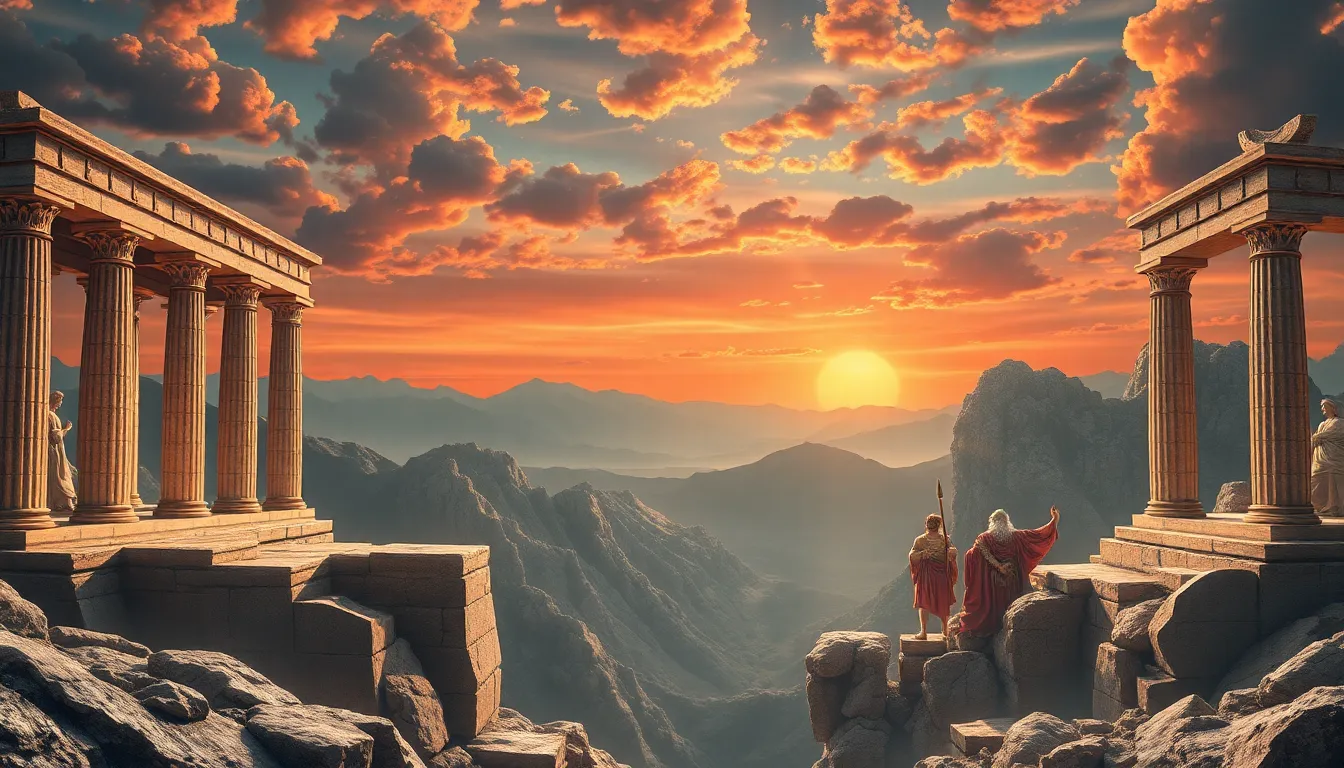
Elysium: The Mythical Reward for the Just and Brave
I. Introduction to Elysium
Elysium, often referred to as the Elysian Fields, represents the ultimate paradise in Greek mythology, reserved for the souls of the virtuous and heroic. This serene and idyllic afterlife is a place where the just are rewarded for their good deeds on earth, a stark contrast to the bleakness of Hades. Elysium holds significant cultural and philosophical weight, symbolizing the reward for a life well-lived.
In ancient texts, Elysium is described as a land of endless bliss, where the sun shines brightly, and the air is filled with the sweet fragrance of flowers. It serves as a powerful narrative device, illustrating the ideals of justice, virtue, and heroism that were paramount in Greek culture.
II. Historical Context of Elysium
A. Origins of the concept in Greek mythology
The idea of Elysium has its roots in early Greek thought, with its earliest mentions found in the works of Homer. In the Odyssey, Elysium is depicted as a paradise where heroes reside after their death, a land untouched by the sorrows of mortality. This notion evolved over time, influenced by the changing beliefs about the afterlife in ancient Greece.

B. Evolution of Elysium through different cultures and eras
As Greek mythology intermingled with other cultures, the concept of Elysium adapted to various interpretations. For instance, in the writings of later philosophers and poets, Elysium began to represent not only a physical place but also an ideal state of being. Over time, this idyllic realm became synonymous with notions of eternal happiness and peace.
III. The Characteristics of Elysium
A. Description of the landscape and environment
Elysium is often depicted as a lush and verdant landscape, filled with beautiful meadows, flowing rivers, and golden fields. The environment is always bathed in sunshine, creating a sense of warmth and comfort. The inhabitants of Elysium are said to enjoy the company of the divine and partake in endless festivities, such as feasting and music.
- Fields of violet and gold
- Gentle breezes carrying the scent of flowers
- Crystal-clear waters and abundant nature
B. The nature of existence in Elysium
The experience in Elysium is one of eternal happiness and fulfillment. Souls who find themselves in this paradise are free from pain and suffering. They engage in leisurely activities, often participating in athletic contests or enjoying the arts. The citizens of Elysium are said to possess a sense of timelessness, existing in a state of bliss that transcends earthly concerns.
IV. The Criteria for Accessing Elysium
A. The importance of virtue and heroism
Access to Elysium is not granted to all; it is reserved for those who have lived virtuous and heroic lives. The Greeks believed that moral integrity, courage, and noble deeds were essential for earning a place in this paradise. Heroes who performed great feats or sacrificed themselves for the greater good were especially honored with entry into Elysium.
B. Key figures and their journeys to Elysium
Many notable figures in Greek mythology are said to have been granted entry into Elysium, including:
- Achilles: The great warrior of the Trojan War, who was promised a place in Elysium for his valor.
- Hercules: After completing his twelve labors, he was granted immortality and a place in Elysium.
- Orpheus: His journey to retrieve his wife Eurydice highlights the thin veil between life and the afterlife.
V. Elysium in Comparison to Other Afterlife Concepts
A. Contrast with Hades and the Underworld
Unlike Elysium, Hades is often depicted as a dark and dreary place where most souls reside after death. Hades is characterized by its lack of joy and the presence of suffering. In contrast, Elysium represents the pinnacle of joy and reward. The distinction between these two realms underscores the Greek belief in moral retribution after death.
B. Similarities to other cultural afterlife beliefs
The concept of Elysium bears similarities to afterlife beliefs in other cultures, such as:
- Valhalla (Norse Mythology): A glorious hall where warriors who died bravely are rewarded.
- Heaven (Christianity): A paradise for the righteous.
- The Fields of Aaru (Egyptian Mythology): A lush paradise where the souls of the virtuous live forever.
VI. Elysium in Literature and Art
A. Depictions in ancient texts (Homer, Virgil, etc.)
Elysium has been immortalized in various literary works throughout history. In Homer’s Odyssey, Elysium is described as a land of eternal spring, where the souls of heroes dwell. Virgil’s Aeneid also presents Elysium as a place of peace and happiness, emphasizing the ideals of Roman virtue and honor.
B. Influence on Renaissance art and modern interpretations
The Renaissance saw a resurgence of interest in classical themes, and Elysium became a popular subject in art. Artists painted idyllic scenes that captured the beauty and serenity of this mythical realm. Modern interpretations continue to draw from Elysium, using it as a symbol of hope and moral righteousness.
VII. Elysium’s Legacy in Modern Culture
A. References in contemporary literature and media
Today, the concept of Elysium can be found in various forms of contemporary literature and media. From novels to films, Elysium serves as a powerful symbol of the quest for justice and the pursuit of happiness. It has inspired countless stories that explore themes of morality, virtue, and the afterlife.
B. The concept of Elysium as a metaphor for justice and reward
Beyond its mythological roots, Elysium has become a metaphor for a just reward for those who strive for goodness in their lives. In modern discourse, references to Elysium often evoke ideas of paradise and fulfillment, symbolizing the ultimate goal of human existence.
VIII. Conclusion
A. Reflection on the enduring appeal of Elysium
The allure of Elysium lies in its promise of eternal happiness and reward for the virtuous. It reflects humanity’s desire for justice and the hope for a better existence beyond death. Elysium continues to resonate through the ages, inspiring generations to strive for moral integrity and heroism.
B. The relevance of Elysium’s ideals in today’s society
In a world often fraught with challenges, the ideals represented by Elysium remain remarkably relevant. The aspiration for a just and rewarding afterlife encourages individuals to lead lives of virtue and bravery. Elysium serves as a timeless reminder of the impact of our choices and the potential for a brighter future, both in this life and the next.