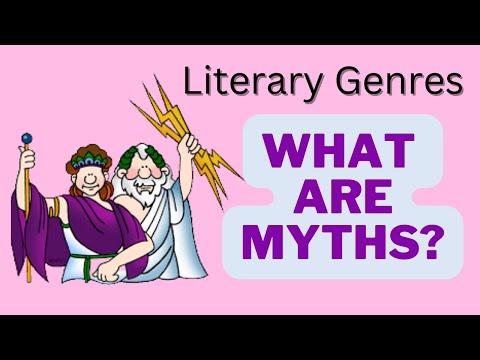
Greek Myths and Their Impact on the Art of Literary Expression
I. Introduction
Greek myths are traditional stories that have been passed down through generations, often explaining the origins of the world, human behavior, and the nature of the gods. These narratives are fundamental to understanding ancient Greek culture, providing insight into the beliefs, values, and practices of its people. The importance of myths in ancient Greece cannot be overstated; they were essential for education, moral guidance, and cultural identity.
This article focuses on the profound influence of Greek mythology on literary expression throughout history. By examining the origins of these myths, prevalent themes, their presence in classical literature, their revival during the Renaissance, and their relevance in modern narratives, we will uncover how these ancient stories continue to shape literature today.
II. The Origins of Greek Myths
A. Historical context and creation of myths
The origins of Greek myths can be traced back to the early civilizations of the Aegean region, particularly the Minoan and Mycenaean cultures. These myths emerged from a combination of historical events, cultural practices, and the human need to explain the unexplainable. They were often tied to natural phenomena and the human condition, creating a rich tapestry of stories that resonated with the Greek populace.
B. Key figures and stories in Greek mythology
Some of the most notable figures in Greek mythology include:
- Zeus: The king of the gods, ruler of Mount Olympus, and god of the sky.
- Hera: The queen of the gods, goddess of marriage and family.
- Poseidon: God of the sea and earthquakes.
- Athena: Goddess of wisdom and warfare.
- Hercules: A demigod known for his strength and heroic deeds.
These figures are central to many myths that explore themes of power, betrayal, love, and revenge.
C. The role of oral tradition in myth preservation
Before the advent of writing, Greek myths were preserved through oral tradition. Storytellers, known as bards, would recite these tales, often embellishing them with their interpretations. This oral transmission allowed myths to evolve, adapting to the cultural context and audience of the time. The eventual transition to written texts, most notably by poets like Homer, helped solidify these myths in literary history.
III. Themes and Archetypes in Greek Myths
A. Common themes: heroism, fate, and morality
Greek myths are rich in themes that resonate with human experiences. Some of the most common themes include:
- Heroism: Many myths celebrate the deeds of heroes who undertake great challenges, embodying the ideals of bravery and perseverance.
- Fate: The concept of fate plays a crucial role, often depicted as an unavoidable destiny that even the gods cannot alter.
- Morality: Myths frequently explore moral dilemmas, imparting lessons about virtue, justice, and the consequences of one’s actions.
B. Archetypal characters: gods, heroes, and monsters
The archetypes present in Greek mythology serve as fundamental building blocks for storytelling. Key archetypes include:
- Gods: Powerful beings who control various aspects of the world and human life.
- Heroes: Mortals who perform extraordinary feats often in pursuit of glory or redemption.
- Monsters: Creatures that embody chaos and challenge the heroes, such as the Minotaur and Medusa.
C. Influence of themes on narrative structures in literature
The themes and archetypes found in Greek myths have profoundly influenced narrative structures in literature. They often serve as templates for character development and plot progression, allowing authors to explore complex human emotions and moral questions. As a result, many literary works echo the struggles and triumphs found in these ancient stories.
IV. Greek Myths in Classical Literature
A. Analysis of key works (e.g., Homer’s “Iliad” and “Odyssey”)
Homer’s epic poems, the “Iliad” and the “Odyssey,” are seminal works that showcase the integration of Greek mythology into literature. The “Iliad” focuses on the themes of pride and wrath through the story of Achilles, while the “Odyssey” explores themes of cunning and the hero’s journey as Odysseus strives to return home.
B. The role of myths in shaping plots and characters
In both epics, myths are not merely backdrops; they are integral to the narrative. Characters are often driven by the will of the gods, and their fates are intertwined with divine intervention. These elements create a rich interplay between human agency and fate, making the stories resonate with audiences on multiple levels.
C. Use of allegory and symbolism in classical texts
Greek myths are rich in allegory and symbolism. For example, the journey of Odysseus is often interpreted as a metaphor for the human quest for identity and purpose. Similarly, the struggles of characters like Prometheus, who defies the gods to bring fire to humanity, symbolize the conflict between individualism and authoritarianism.
V. The Renaissance Revival of Greek Myths
A. Reintroduction of Greek myths in Renaissance literature
The Renaissance marked a revival of interest in classical antiquity, including Greek mythology. Artists and writers sought inspiration from ancient texts, leading to a resurgence of mythological themes in literature and art.
B. Impact on playwrights and poets (e.g., Shakespeare, Milton)
Playwrights like William Shakespeare and poets such as John Milton drew heavily on Greek mythology. Shakespeare’s use of mythological references in plays like “A Midsummer Night’s Dream” and “Troilus and Cressida” showcases how these ancient stories can be reinterpreted to reflect contemporary themes of love, conflict, and human folly.
C. Transformation of mythological themes to fit contemporary issues
The Renaissance also saw the adaptation of Greek myths to address contemporary societal issues. For instance, the portrayal of gods and heroes was often imbued with Renaissance humanist ideals, emphasizing individual potential and the questioning of traditional authority.
VI. Greek Myths in Modern Literature
A. Examples of modern authors who draw on Greek mythology
In modern literature, many authors continue to draw inspiration from Greek mythology. Notable examples include:
- Rick Riordan: His “Percy Jackson & the Olympians” series introduces Greek mythology to a new generation, blending it with contemporary themes of adolescence.
- Madeline Miller: In works like “Circe” and “The Song of Achilles,” she reimagines classical myths, giving voice to characters traditionally seen as secondary.
- Stephen Fry: His retellings in “Mythos” and “Heroes” present Greek mythology in an accessible and engaging manner.
B. Contemporary interpretations and reimaginings
Modern interpretations of Greek myths often focus on themes of empowerment and identity, reexamining the roles of female characters and marginalized voices. This has led to a rich diversity of narratives that challenge traditional portrayals and highlight the complexities of human experience.
C. The enduring relevance of Greek myths in today’s narratives
The themes and characters of Greek mythology remain relevant today. They address universal questions of morality, identity, and the human condition, allowing contemporary writers to explore modern dilemmas through the lens of ancient wisdom.
VII. The Cross-Cultural Impact of Greek Myths
A. Influence on global literary traditions
Greek myths have transcended their origins, influencing literary traditions around the world. From Roman adaptations to Eastern interpretations, the motifs and archetypes established in Greek mythology have been woven into the fabric of global storytelling.
B. Adaptation of Greek myths in various cultures
Many cultures have adapted Greek myths to fit their own narratives. For instance, the Roman pantheon mirrors that of the Greeks, with gods such as Jupiter and Venus corresponding to Zeus and Aphrodite, respectively. This cross-pollination of myths highlights their universal appeal and adaptability.</p