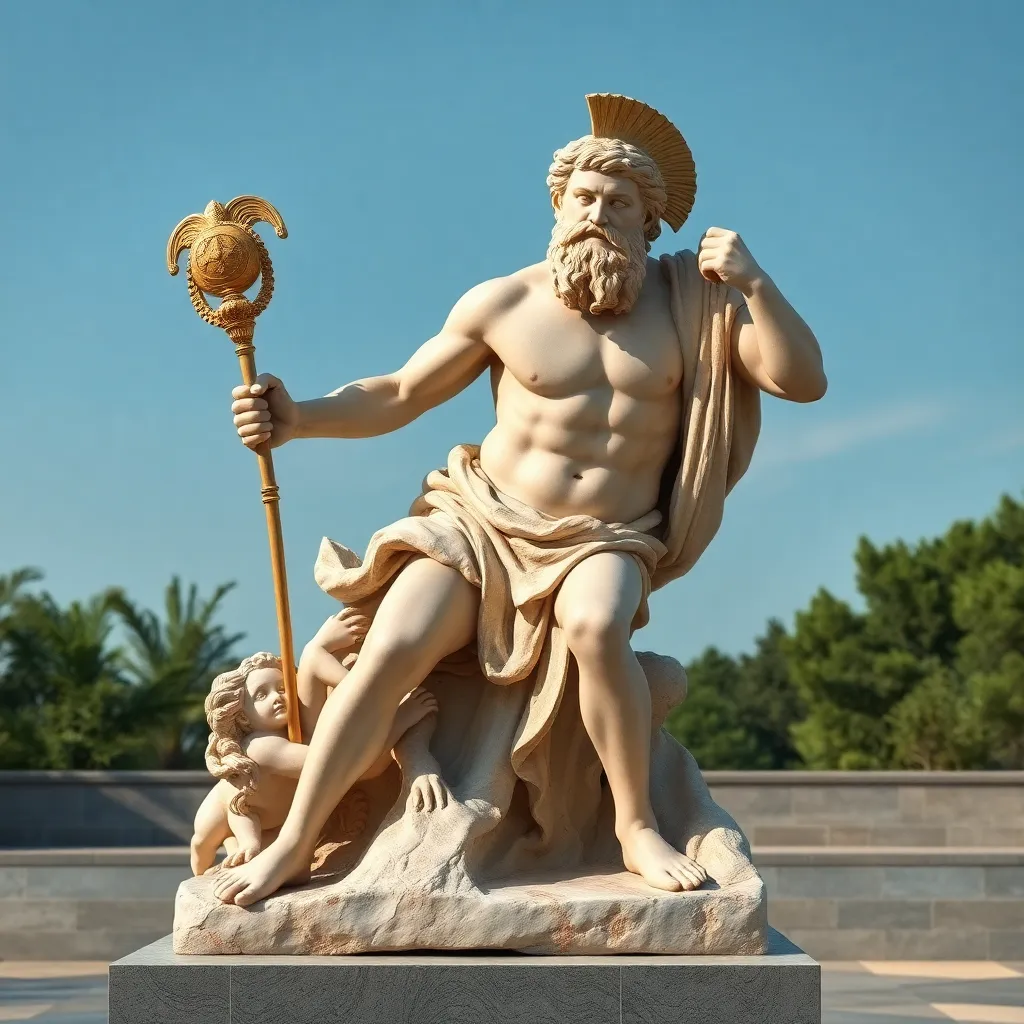
Heracles in Art: How Ancient Sculptors Portrayed the Hero
I. Introduction
Heracles, known as Hercules in Roman mythology, is one of the most celebrated heroes of ancient mythology. Renowned for his incredible strength and heroic feats, he has captivated the imagination of cultures for centuries. His adventures, particularly the Twelve Labors, showcase not only his physical prowess but also his resilience and determination.
The importance of Heracles in ancient art cannot be overstated. He served as a symbol of heroism, virtue, and the struggle against chaos, making him a popular subject for sculptors and painters alike. This article aims to explore how ancient sculptors portrayed Heracles, examining the historical context, iconography, notable sculptures, and his influence on later art.
II. Historical Context of Heracles
The origins of the Heracles myth can be traced back to the Mycenaean period, where he was initially worshiped as a god of strength and protector of mankind. His stories developed over time, influenced by various regional traditions and literary sources, including the works of Homer and Hesiod.
In ancient Greece, Heracles held significant cultural importance, representing the ideals of courage and perseverance. He was a model for athletes and soldiers, embodying the virtues of arete (excellence) and philia (brotherly love). This cultural significance led to his frequent depiction in various art forms.
The influence of Heracles extended into Roman art as well. The Romans adopted many Greek deities and heroes, reinterpreting them within their own cultural framework. Heracles, as Hercules, became a symbol of strength and was often depicted in Roman sculptures, mosaics, and frescoes.
III. Iconography of Heracles
Heracles is easily recognizable due to his specific attributes and symbols commonly associated with him in art:
- Lion skin: Often depicted wearing the skin of the Nemean Lion, symbolizing his victory and strength.
- Club: A symbol of brute strength, the club represents his power and capability as a hero.
- Bow and arrows: These often signify his skills as a hunter and warrior.
Heracles has been depicted in various artistic forms, including:
- Sculpture: Marble and bronze statues that capture his muscular physique and heroic poses.
- Pottery: Vase paintings illustrating scenes from his adventures, particularly the Twelve Labors.
- Frescoes: Wall paintings showcasing mythological scenes involving Heracles.
IV. Notable Sculptures of Heracles
A. The Farnese Hercules
One of the most iconic representations of Heracles is the Farnese Hercules, a colossal statue that dates back to the 4th century BCE. This sculpture, housed in Naples, Italy, exemplifies the idealized form of the hero, showcasing his muscular physique and powerful presence.
The significance of the Farnese Hercules lies not only in its size but also in the artistic techniques used by the sculptor. The intricate details of the muscles, combined with the confident stance of Heracles, convey a sense of strength and heroism. The statue reflects the Hellenistic style, characterized by its dramatic poses and emotional expression.
B. The Heracles and the Nemean Lion Relief
An important relief depicting Heracles is the Heracles and the Nemean Lion, which illustrates one of his Twelve Labors. This relief captures the moment of Heracles slaying the lion, showcasing his strength and determination. The imagery is rich with symbolism, representing the triumph of order over chaos.
The context of this relief often highlights the hero’s struggle against formidable challenges, reinforcing the theme of perseverance. The interpretation of the scene reflects the values of the society that created it, emphasizing the importance of bravery and the hero’s role as protector.
V. Evolution of Heracles’ Representation
The representation of Heracles has evolved significantly throughout history:
- Early depictions in Archaic art: These portrayals are often simplistic and rigid, focusing more on iconography than on realistic representation.
- Transition to Classical and Hellenistic styles: Artists began to emphasize anatomical accuracy and dynamic poses, reflecting a deeper understanding of human form and movement.
- Variations in Roman representations: Roman artists often adapted earlier Greek representations, infusing them with their cultural values and emphasizing the hero’s role as a symbol of strength and virtue.
VI. Heracles in Mythological Scenes
Heracles is frequently depicted in key myths that highlight his heroic attributes:
- Twelve Labors: Scenes illustrating each labor, such as slaying the Hydra or capturing the Golden Hind, are common in ancient art.
- Interaction with other mythological figures: Heracles often appears alongside gods like Athena and Zeus, emphasizing his divine connections.
- Thematic interpretations in sculpture: Many sculptures explore themes of heroism, struggle, and redemption, presenting Heracles as a complex character.
VII. Influence of Heracles on Later Art
The legacy of Heracles has endured through the ages, influencing various artistic movements:
- Renaissance revival of classical themes: Artists like Michelangelo and Botticelli drew inspiration from Heracles, reinterpreting him in their works.
- Modern interpretations and adaptations: Contemporary artists continue to explore Heracles’ themes, often reimagining his stories in new contexts.
- Impact on popular culture and contemporary art: Heracles appears in films, literature, and comics, showcasing his enduring appeal as a symbol of strength and heroism.
VIII. Conclusion
Heracles’ artistic legacy is profound, reflecting the values and ideals of ancient Greece and Rome. The various representations of Heracles in art highlight his significance as a cultural icon and a symbol of heroism. His stories continue to resonate with audiences, inspiring countless interpretations in art and popular culture.
As we reflect on the enduring appeal of Heracles in art, it becomes clear that his legacy will continue to inspire future generations. Ongoing research into the ways Heracles has been represented in art promises to uncover new insights into his significance in the ancient world and beyond.
https://www.youtube.com/watch?v=7LeoOIk0fDc