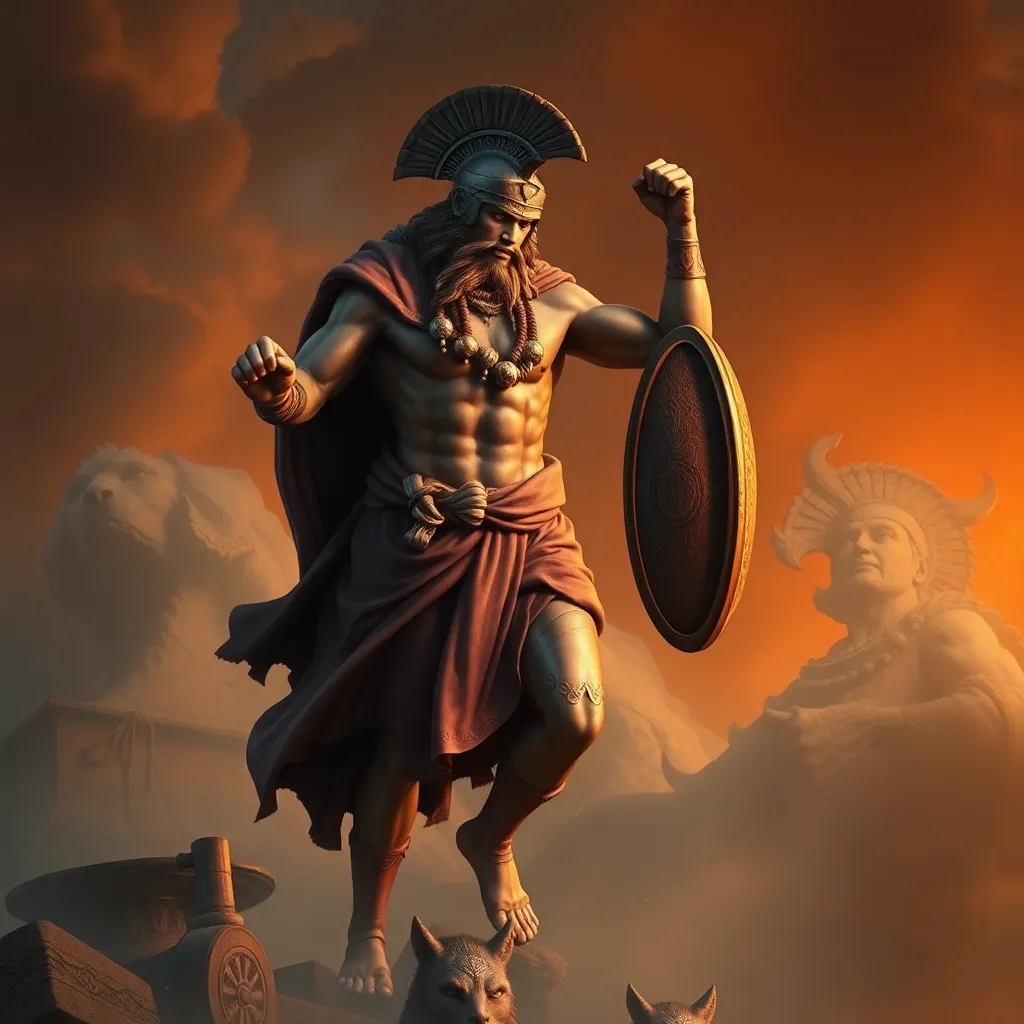
Heracles’ Role in the Trojan War: The Hero’s Lesser-Known Contributions
I. Introduction
Heracles, known for his incredible strength and heroic feats, stands as one of the most celebrated figures in Greek mythology. His tales of bravery, trials, and tribulations have captivated audiences for centuries. However, while many are familiar with his legendary Twelve Labors, fewer are aware of his contributions to one of the most significant events in Greek mythology: the Trojan War.
The Trojan War, a legendary conflict between the city of Troy and the Greek states, is steeped in myth and has inspired countless works of art and literature. It features a multitude of legendary heroes, each playing a pivotal role in the war’s unfolding drama. This article aims to explore Heracles’ lesser-known contributions to the Trojan War, illustrating that his impact on this legendary conflict extends beyond his famous exploits.
II. Heracles in the Context of the Trojan War
To fully understand Heracles’ role in the Trojan War, it is essential to recognize the ensemble of heroes involved. Legendary figures such as Achilles, Odysseus, and Agamemnon took center stage, while Heracles, often relegated to the sidelines, played a crucial, albeit understated role.
Heracles, the son of Zeus and Alcmene, is renowned for his superhuman abilities and numerous adventures, including his infamous labors. His previous exploits, such as slaying the Nemean Lion and capturing the Golden Hind, established him as a formidable figure in Greek mythology. However, his involvement in the Trojan War is often overshadowed by his earlier achievements.
Heracles’ timeline in relation to the Trojan War is somewhat complex. Although he did not fight in the war from its outset, his actions and decisions prior to and during the conflict significantly influenced the events that transpired.
III. The Role of Heracles in the Siege of Troy
Heracles’ motivations for joining the war were rooted in personal vengeance and a quest for glory. After being wronged by Laomedon, the king of Troy, who reneged on a promise to reward Heracles for rescuing his daughter, the hero sought to exact revenge against the Trojans.
Key battles during the siege of Troy saw Heracles playing a pivotal role, including:
- The Battle of the River Scamander: Heracles fought valiantly against the Trojan forces, showcasing his incredible strength.
- The Siege of Troy: His strategic contributions helped the Greek forces to breach the walls of Troy, turning the tide of battle.
Heracles also provided invaluable support to his fellow warriors, inspiring them with his courage and strength. His presence on the battlefield boosted the morale of the Greek forces, enabling them to fight with greater determination.
IV. Heracles’ Influence on Key Characters
Heracles’ relationships with other heroes and leaders, such as Achilles and Agamemnon, were significant in shaping the dynamics of the Greek army. His reputation as a formidable warrior earned him respect among other heroes, allowing him to influence their strategies and morale.
Some key points of influence include:
- Achilles respected Heracles as a mentor figure, learning from his past exploits and integrating his tactics into his own battles.
- Agamemnon often sought Heracles’ advice on military strategy, recognizing his experience and strength as invaluable assets.
Heracles’ ability to inspire younger warriors, including the likes of Iolaus and other up-and-coming heroes, ensured that his legacy of bravery and heroism continued throughout the war.
V. Lesser-Known Mythological Accounts
While many tales of the Trojan War focus on its most famous heroes, there are lesser-known myths that highlight Heracles’ contributions during this tumultuous period. These accounts reveal the complexity of his character and his involvement in the war.
Some of these lesser-known myths include:
- The tale of Heracles and the Cattle of Geryon, where he assisted in securing resources for the Greek fleet.
- Heracles’ involvement in the divine council, where he played a role in the decisions of the gods regarding the war.
These narratives, while not as widely recognized, showcase Heracles’ integral role in the broader context of the conflict, providing a richer understanding of his character and contributions.
VI. The Legacy of Heracles’ Contributions
Heracles’ actions had a significant impact on the outcome of the Trojan War. His strength and strategic mind helped the Greeks gain critical advantages, influencing the war’s progression and eventual conclusion.
Moreover, Heracles’ legacy has endured in literature and art, with depictions of his exploits during the Trojan War appearing in various forms. His character evolved in subsequent myths, often reflecting the qualities of resilience and strength that defined him.
In the arts, Heracles is often portrayed as a symbol of heroism, embodying the virtues admired in Greek culture. His stories continue to resonate, reminding us of the complexities of heroism and the multifaceted nature of mythological narratives.
VII. Heracles’ Departure and Aftermath
Heracles’ exit from the Trojan War was marked by personal conflict and a desire to return to his homeland. After achieving his goals, he departed the battlefield, leaving a void among the Greek forces.
The repercussions of his departure were significant:
- The Greek forces felt a decline in morale without their strongest warrior.
- Trojan forces, emboldened by Heracles’ absence, launched counterattacks, shifting the tide of battle.
Ultimately, Heracles’ exit from the war shaped the later stages of the conflict, illustrating how even the mightiest heroes can influence the course of events through their actions and decisions.
VIII. Conclusion
In summary, Heracles’ contributions to the Trojan War, while often overlooked, were substantial and impactful. His strength, strategic insights, and relationships with other heroes played a vital role in the dynamics of the war.
Recognizing the lesser-known aspects of mythological heroes like Heracles is essential in understanding the full tapestry of Greek mythology. By exploring these narratives, we gain a deeper appreciation for the complexities of heroism and the legacies left behind.
As we delve further into the stories of Heracles and his impact beyond the Trojan War, we uncover the enduring nature of his myth and the lessons it imparts about strength, bravery, and the multifaceted role of heroes in our shared cultural heritage.