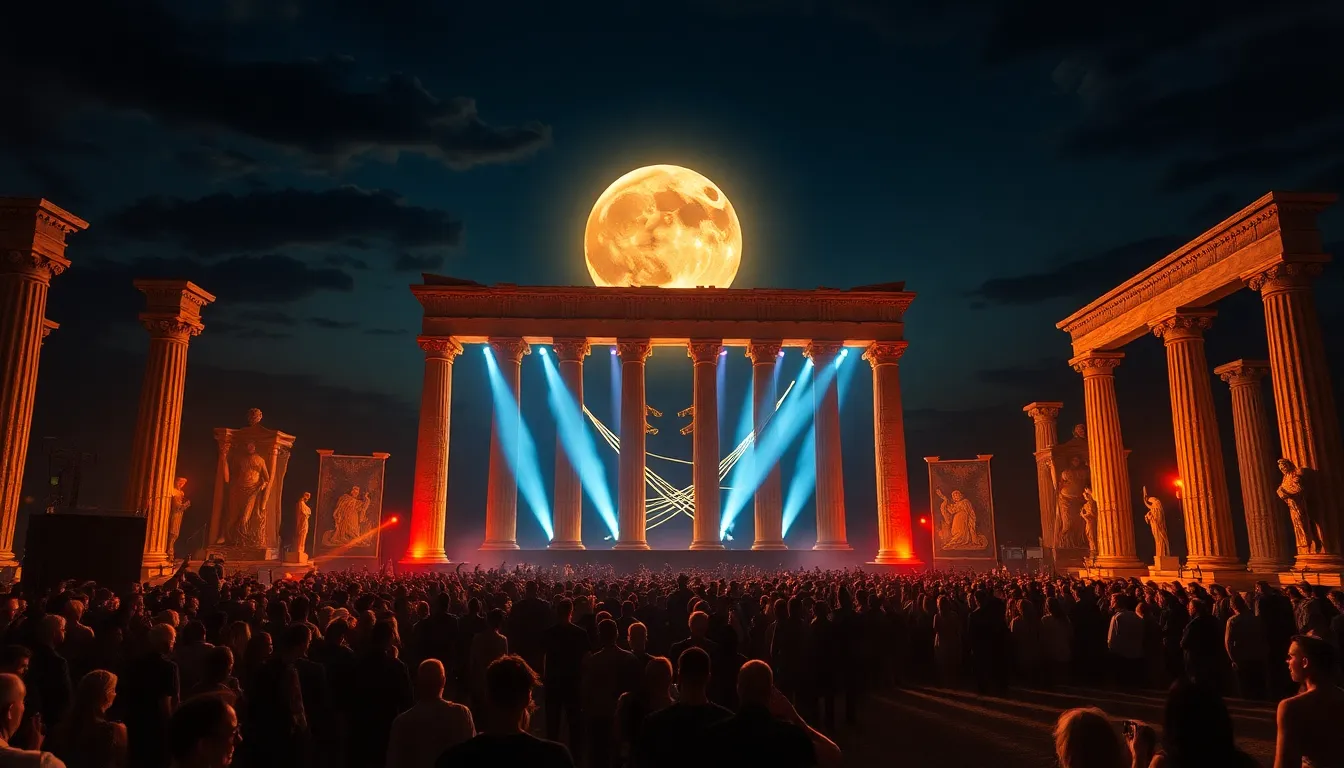
How Greek Myths Are Reflected in Today’s Music Festivals
I. Introduction
Greek mythology has been a cornerstone of Western culture, influencing art, literature, philosophy, and even modern entertainment. The myths of gods, heroes, and mythical creatures have shaped our understanding of the world and provided a rich tapestry of narratives that resonate through the ages. As contemporary society evolves, so too do the expressions of culture, particularly in the form of music festivals, which have become vibrant celebrations of community, creativity, and expression.
This article explores how the themes, aesthetics, and experiences found in Greek mythology are intricately woven into today’s music festivals. From the celebration of love to the exploration of nature and the divine, the influence of these ancient stories continues to inspire and shape modern cultural gatherings.
II. The Role of Mythology in Music
Music and mythology share a deep historical connection that dates back to ancient civilizations. In Greek culture, music was often intertwined with religious and mythological practices, serving as a medium to tell stories and convey the emotions and experiences of the gods and heroes.
Today, many modern artists draw inspiration from Greek myths, using them as a source of creativity and storytelling. Music serves as a powerful medium for expressing complex themes and emotions, allowing audiences to connect with age-old narratives in a contemporary context.
A. Historical connection between music and myth
- Music was integral to ancient Greek rituals and celebrations.
- Myths were often recounted through song, providing a narrative structure that engaged audiences.
- Instruments like the lyre were associated with the gods, particularly Apollo, the god of music.

B. Modern artists drawing inspiration from Greek myths
Many contemporary musicians and bands have found inspiration in Greek mythology, incorporating themes, characters, and narratives into their work. Artists such as Florence + The Machine, Hozier, and Björk have all referenced mythological elements in their lyrics and performances.
C. Music as a medium for storytelling and cultural reflection
Through music, artists reflect cultural values and societal issues, often drawing parallels to the struggles and triumphs depicted in Greek myths. This connection allows audiences to engage with the music on a deeper level, as they recognize the timeless relevance of these ancient stories.
III. Themes of Love and Desire: Aphrodite at Festivals
One of the most prominent themes in Greek mythology is love and desire, exemplified by the goddess Aphrodite. Festivals often celebrate these themes, creating an atmosphere of romance and connection among attendees.
A. Exploration of love and desire in Greek myths
Greek myths frequently explore the complexities of love, from passionate romances to tragic heartbreaks. Aphrodite, as the goddess of love, embodies these themes, influencing countless tales of longing and desire.
B. Representation of Aphrodite in festival performances and visuals
At music festivals, performances often incorporate visual elements that evoke the essence of Aphrodite. This may include:
- Choreographed dances symbolizing love and attraction.
- Stage designs inspired by the motifs of beauty and desire.
- Costumes that reflect the elegance and allure associated with the goddess.
C. Case studies of festivals that highlight themes of love
Festivals such as Coachella and Glastonbury often feature performances that explore themes of love, drawing parallels to the myth of Aphrodite. Artists frequently express these themes in their music, resonating with audiences who seek connection and romance in the festival atmosphere.
IV. The Hero’s Journey: Festivals as Modern Epics
The archetype of the hero is central to many Greek myths, representing the journey of self-discovery, growth, and triumph over adversity. Music festivals can be seen as modern epics, where both artists and attendees embark on a transformative journey.
A. The archetype of the hero in Greek myths
Heroes like Hercules, Odysseus, and Perseus faced trials and tribulations, ultimately emerging stronger and wiser. Their journeys reflect the human experience and the challenges we all face.
B. Festival narratives that mirror the hero’s journey
Many music festivals create narratives that mirror the hero’s journey, with themes of self-discovery and personal growth woven throughout the experience. This can manifest in:
- Curated line-ups that highlight the evolution of artists.
- Workshops and discussions that encourage personal reflection and growth.
- Interactive art installations that invite attendees to engage with their own narratives.
C. Examples of artists and performances embodying this theme
Artists like Sia and Childish Gambino often incorporate themes of struggle and triumph in their performances, resonating with festival-goers on a personal level. Their narratives echo the journeys of Greek heroes, inviting audiences to embark on their own paths of self-discovery.
V. Nature and the Divine: Pan and the Festival Atmosphere
The Greek god Pan represents the connection between nature and the divine, embodying the spirit of the wilderness and the joys of life. This connection is often mirrored in the atmosphere of music festivals, which celebrate both nature and music.
A. Connection between Greek gods and nature
Many Greek gods are associated with natural elements, reflecting the ancient Greeks’ reverence for the environment. Pan, in particular, is celebrated as the god of the wild, shepherds, and flocks, often depicted with the features of a goat, symbolizing his connection to nature.
B. The incorporation of natural elements in festival settings
Festivals often embrace natural settings, with stages set against stunning backdrops of mountains, forests, or beaches. This incorporation of nature creates a harmonious atmosphere, enhancing the overall experience for attendees.
C. The influence of Pan and nature-themed performances
Performers often draw upon themes of nature in their music and presentations, reflecting the spirit of Pan. This can include:
- Musical elements that evoke the sounds of nature.
- Stage designs inspired by natural landscapes.
- Collaborations with environmental organizations to promote sustainability.
VI. Rituals and Celebrations: The Dionysian Influence
Dionysus, the god of wine, festivity, and ecstasy, plays a significant role in Greek culture, particularly in relation to music and celebration. His influence is evident in the rituals and communal experiences found at music festivals.
A. The significance of Dionysus in Greek culture and music
Dionysus represents the joy of life, the celebration of community, and the power of music and dance. His festivals were characterized by exuberance, revelry, and a sense of liberation.
B. Elements of ritual and celebration in music festivals
Music festivals often incorporate ritualistic elements that echo the celebrations of Dionysus, creating a sense of unity among attendees. This can include:
- Group dances and communal singing that foster connection.
- Rituals of sharing food and drink to enhance the festival experience.
- Interactive installations that invite participation and celebration.
C. The impact of communal experiences on festival-goers
The communal experiences at festivals foster a sense of belonging and connection, much like the ancient celebrations of Dionysus. These shared moments create lasting memories and bonds among attendees, enhancing the overall festival experience.
VII. Visual Aesthetics: Costumes and Stage Design
The visual aesthetics of music festivals often draw inspiration from Greek art and architecture, creating a captivating environment that enhances the overall experience.
A. The influence of Greek art and architecture on festival design
Greek art, characterized by its emphasis on beauty, symmetry, and harmony, significantly influences the design of festival stages and installations. This can be seen in: