Medusa and the Nature of Heroism: A Critical Examination
I. Introduction
Medusa, one of the most intriguing figures in Greek mythology, has been portrayed in various lights throughout history. Known as a Gorgon, her myth encompasses themes of beauty, transformation, and monstrosity. The tales surrounding her life reveal the complexities of heroism in classical narratives.
Heroism, in the context of Greek mythology, is often characterized by strength, bravery, and the triumph of good over evil. However, the purpose of this article is to explore Medusa’s story as a critique of traditional heroism, challenging the reader to reconsider the nature of heroes and victims within these myths.
II. The Myth of Medusa: A Brief Summary
A. Origins of Medusa and her transformation
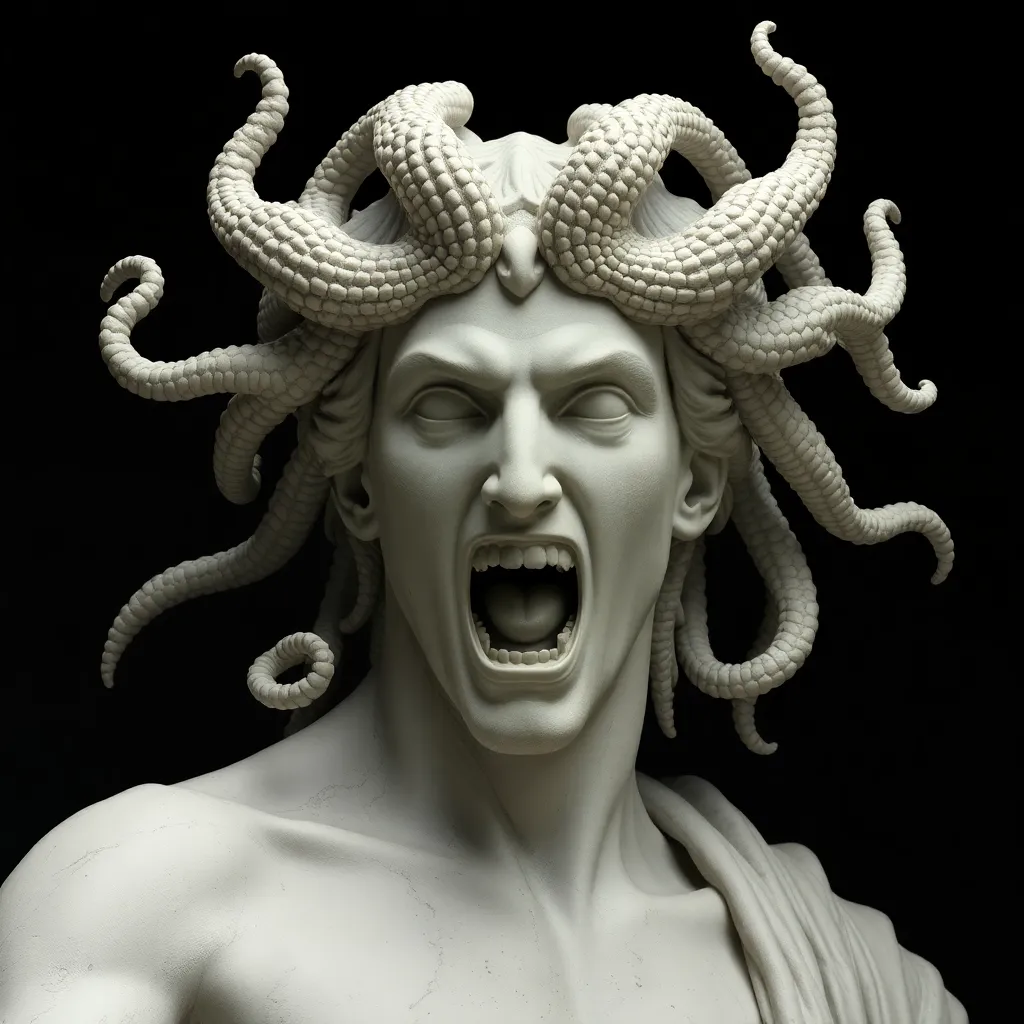
Medusa was originally a beautiful maiden, one of the three Gorgon sisters. According to myth, she was transformed into a monster by the goddess Athena as punishment for being violated by Poseidon in Athena’s temple. This transformation included hair made of snakes and a gaze that could turn anyone to stone.
B. Key events in Medusa’s story
- Her transformation into a Gorgon.
- Her isolation in a cave, away from the world.
- Her encounter with the hero Perseus, who was sent to slay her.
- Her beheading by Perseus and the subsequent use of her head as a weapon.
C. Medusa’s role within the context of the Perseus myth
Medusa’s story is inextricably linked to that of Perseus, who is often celebrated as a great hero. While he is lauded for his bravery and skill, Medusa’s narrative is overshadowed by her status as a monster. This relationship raises questions about the nature of heroism and the consequences of victimhood.
III. Traditional Heroism: Definition and Characteristics
A. Attributes of the classical hero
In classical mythology, heroes often possess the following attributes:
- Exceptional strength and courage.
- Divine or noble ancestry.
- Accomplishments that benefit society.
- Overcoming great odds or monsters.
B. Examples of traditional heroes in Greek mythology
Notable heroes include:
- Heracles, known for his twelve labors.
- Theseus, who defeated the Minotaur.
- Achilles, celebrated for his prowess in the Trojan War.
C. The societal values reflected in heroic narratives
These hero tales emphasize values such as bravery, honor, and the triumph of good over evil, often reflecting the societal norms and expectations of ancient Greek culture.
IV. Medusa as an Anti-Hero
A. The circumstances leading to Medusa’s vilification
Medusa’s transformation into a monster was not an act of her own volition but rather a punishment imposed by Athena. This act of victimization highlights the unfairness of her fate, as she is condemned for being a victim of Poseidon’s actions.
B. Examining Medusa’s agency and victimization
While she is often depicted as a fearsome creature, it is essential to recognize that her agency was stripped away. Medusa’s ability to affect the world around her becomes a mechanism of defense rather than a tool of empowerment.
C. Contrast with traditional heroism: power vs. helplessness
In contrast to traditional heroes, who wield power and influence, Medusa embodies a form of helplessness. Her story serves as a poignant reminder that not all monsters are villains and not all heroes are virtuous.
V. The Role of Monsters in Heroic Narratives
A. The symbolism of monsters in mythology
Monsters in mythology often symbolize chaos, fear, or the unknown, serving as obstacles for heroes to conquer. They represent the darker aspects of humanity and society.
B. How Medusa becomes a symbol of fear and misunderstanding
Medusa’s transformation into a monster becomes a metaphor for societal fears regarding female power and sexuality. Instead of being understood, she is demonized, reflecting the anxiety around women who defy traditional roles.
C. The implications of labeling Medusa as a monster
Labeling Medusa as a monster diminishes her complexity and reduces her narrative to a simplistic battle between good and evil. This perspective fails to account for the injustices she suffers, ultimately rendering her a tragic figure.
VI. Case Studies: Medusa and Other Female Figures in Mythology
A. Comparison with other female characters (e.g., Circe, the Furies)
Other female figures in mythology, such as Circe and the Furies, also illustrate the theme of female empowerment intertwined with monstrosity. Like Medusa, they challenge traditional notions of femininity and morality.
B. The portrayal of women in heroic myths
Women in heroic myths are often relegated to roles that support male heroes or are depicted as temptresses or obstacles. This portrayal highlights the gender dynamics at play within these narratives.
C. The intersection of gender and heroism
The intersection of gender and heroism raises questions about who is afforded the label of hero and who is labeled as a monster, suggesting a bias that favors male narratives over female experiences.
VII. Reinterpreting Heroism Through Medusa’s Lens
A. Modern reinterpretations of Medusa in literature and art
In contemporary literature and art, Medusa has been reinterpreted as a symbol of feminine strength and resilience. Artists and writers have begun to reclaim her narrative, emphasizing her victimhood and complexity.
B. The impact of feminist readings on the understanding of heroism
Feminist readings of Medusa’s myth challenge traditional definitions of heroism, advocating for a broader understanding that includes the experiences of women and the complexities of their narratives.
C. Medusa as a symbol of resilience and empowerment
In modern interpretations, Medusa emerges as a powerful symbol of resilience and empowerment, illustrating how narratives can shift to highlight the strength found in vulnerability and the reclamation of one’s story.
VIII. Conclusion
A. Summary of key insights from the examination
This examination of Medusa reveals her story as a critique of traditional heroism, highlighting the complexities of victimhood and agency. By analyzing her myth, we uncover the layers of meaning that challenge the simplistic dichotomy of hero and monster.
B. The importance of questioning traditional narratives of heroism
Questioning these narratives allows for a richer understanding of the human experience, acknowledging the varied perspectives that contribute to our collective mythology.
C. Final thoughts on Medusa as a complex figure in myth and her relevance today
Medusa stands as a complex figure in myth, embodying themes of victimization, power, and resilience. Her relevance today continues to inspire discussions about gender, heroism, and the narratives we construct around those who are often misunderstood.