The Centaur’s Legacy: How They Influence Modern Fantasy
I. Introduction
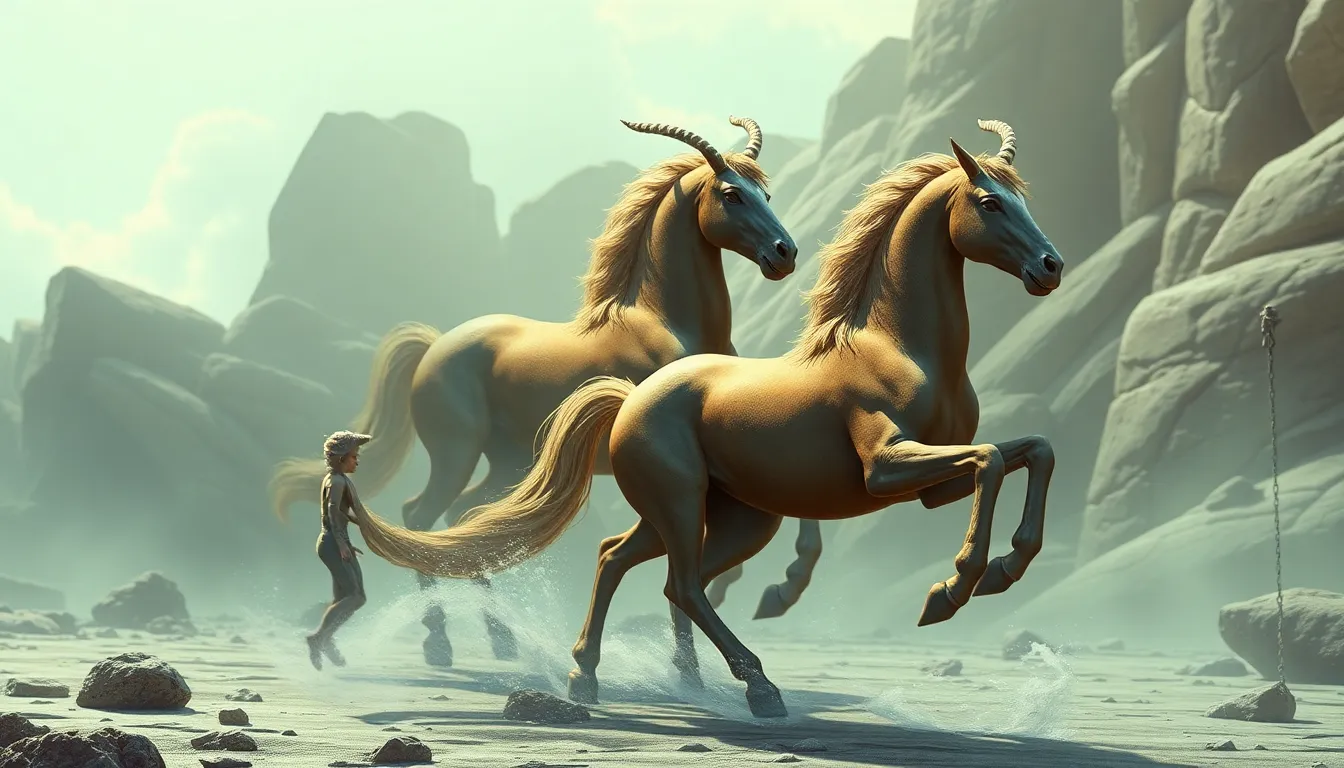
Centaurs, the legendary creatures of Greek mythology, are often depicted as beings with the upper body of a human and the lower body of a horse. These fascinating hybrids symbolize the complexity of human nature, embodying both the civilized and the primal aspects of existence.
Throughout ancient cultures, centaurs held significant roles in myths and stories, representing the struggle between reason and instinct. Their portrayal has evolved over centuries, influencing modern fantasy literature and media.
This article aims to explore the enduring legacy of centaurs and their profound impact on contemporary fantasy narratives.
II. Historical Origins of Centaurs
A. Centaurs in Greek Mythology
Centaurs first appeared in Greek mythology, where they were often depicted as wild and unruly beings. They inhabited the mountains of Thessaly and were known for their dual nature—part human, part animal.
1. Key Myths and Stories
Several key myths highlight the role of centaurs in Greek culture:
- Battle of the Lapiths and Centaurs: This myth recounts a chaotic wedding where centaurs, intoxicated by wine, attempted to abduct the bride. This event symbolizes the conflict between civilization and barbarism.
- Chiron: Unlike his brethren, Chiron was wise and kind, serving as a mentor to many heroes, including Achilles and Hercules. He represents the noble aspect of centaur mythology.
2. Symbolism and Characteristics
Centaurs embody the conflict between civilization (the human half) and nature (the horse half). They often symbolize:
- The struggle for balance between rational thought and instinctive behavior.
- The duality of human nature, encompassing both intellectual and primal urges.
B. Cultural Representations Across Different Civilizations
1. Roman Adaptations
The Romans adopted centaur mythology, often portraying them in art and literature, highlighting both their heroic and violent aspects.
2. Eastern Influences
Centaurs also find parallels in Eastern mythology, such as the Kinnara from Buddhist traditions, which are depicted as half-human, half-animal beings, emphasizing the universal theme of hybrid creatures in mythology.
III. Centaurs in Classic Literature
A. Notable Works Featuring Centaurs
Centaurs have been referenced in various classical texts, illustrating their significance in ancient literature.
1. “The Iliad” and “The Odyssey”
Homer’s epics mention centaurs, showcasing their interactions with heroes and gods, reflecting the chaos of their nature.
2. Other Classical Texts
Various playwrights, such as Euripides, incorporated centaurs into their works, often using them as symbols of the untamed aspects of humanity.
B. The Evolution of Their Portrayal Over Time
As literature progressed, centaurs evolved from wild beings to more nuanced characters, reflecting the changing perceptions of nature and civilization in society.
IV. The Rise of Centaurs in Modern Fantasy
A. Introduction of Centaurs in Contemporary Fantasy Literature
The 20th and 21st centuries saw a resurgence of centaurs in fantasy literature, often depicted with greater complexity than their ancient counterparts.
1. J.K. Rowling’s “Harry Potter” Series
In Rowling’s universe, centaurs are portrayed as wise beings, deeply connected to nature and the stars, reflecting a more harmonious aspect of their character.
2. C.S. Lewis’s “The Chronicles of Narnia”
Lewis presents centaurs as noble warriors, exemplifying the duality of their nature as both fierce protectors and wise beings, embodying the struggle between good and evil.
B. Analysis of Character Traits and Roles in These Narratives
In modern fantasy, centaurs often symbolize:
- The conflict between technological society and the natural world.
- The search for identity and balance in a chaotic world.
V. Centaurs in Visual Media
A. Representation in Film and Television
Centaurs have also made their mark in visual storytelling, captivating audiences with their unique designs and backstories.
1. Animated Adaptations
Films like “Hercules” by Disney depict centaurs in vibrant ways, balancing their wild nature with humor and heroism.
2. Live-Action Portrayals
Live-action adaptations, such as “Percy Jackson and the Olympians,” further explore centaur mythology, bringing their stories to a new generation.
B. Impact of Visual Storytelling on Public Perception of Centaurs
Visual media has transformed the public’s understanding of centaurs, often emphasizing their noble traits while still acknowledging their wild side.
VI. Thematic Exploration of Centaurs in Modern Fantasy
A. Themes of Duality and Nature vs. Civilization
Modern narratives often explore the theme of duality within centaurs, highlighting the tension between their civilized and primal natures.
B. Centaurs as Symbols of Conflict and Harmony
They represent the struggle for balance in a rapidly changing world, serving as metaphors for humanity’s own conflicts.
C. Reflection of Contemporary Societal Issues Through Centaur Narratives
Centaur stories often mirror real-world issues, such as environmentalism, identity, and the search for harmony within diversity.
VII. The Influence of Centaur Culture on World-Building
A. Development of Centaur Societies in Fantasy Worlds
Fantasy authors have created rich centaur societies, complete with their own cultures, traditions, and conflicts, enhancing the depth of their worlds.
B. Integration of Centaur Lore in Role-Playing Games and Fantasy Franchises
Centaurs play a significant role in tabletop games like “Dungeons & Dragons,” where they are depicted as complex characters with unique abilities and backgrounds.
C. Impact on Fan Culture and Community Engagement
The centaur’s legacy continues to inspire fan art, literature, and discussions in community forums, showcasing their lasting appeal.
VIII. Conclusion
In conclusion, centaurs hold a significant place in modern fantasy, bridging ancient mythology with contemporary narratives. Their dual nature and rich symbolism allow them to resonate with audiences, reflecting both timeless themes and modern societal issues.
The enduring legacy of centaurs continues to shape fantasy narratives, inspiring writers and creators to explore new dimensions of these fascinating beings. As we look to the future, the representation of centaurs in literature and media will likely evolve, maintaining their status as iconic figures in the realm of fantasy.