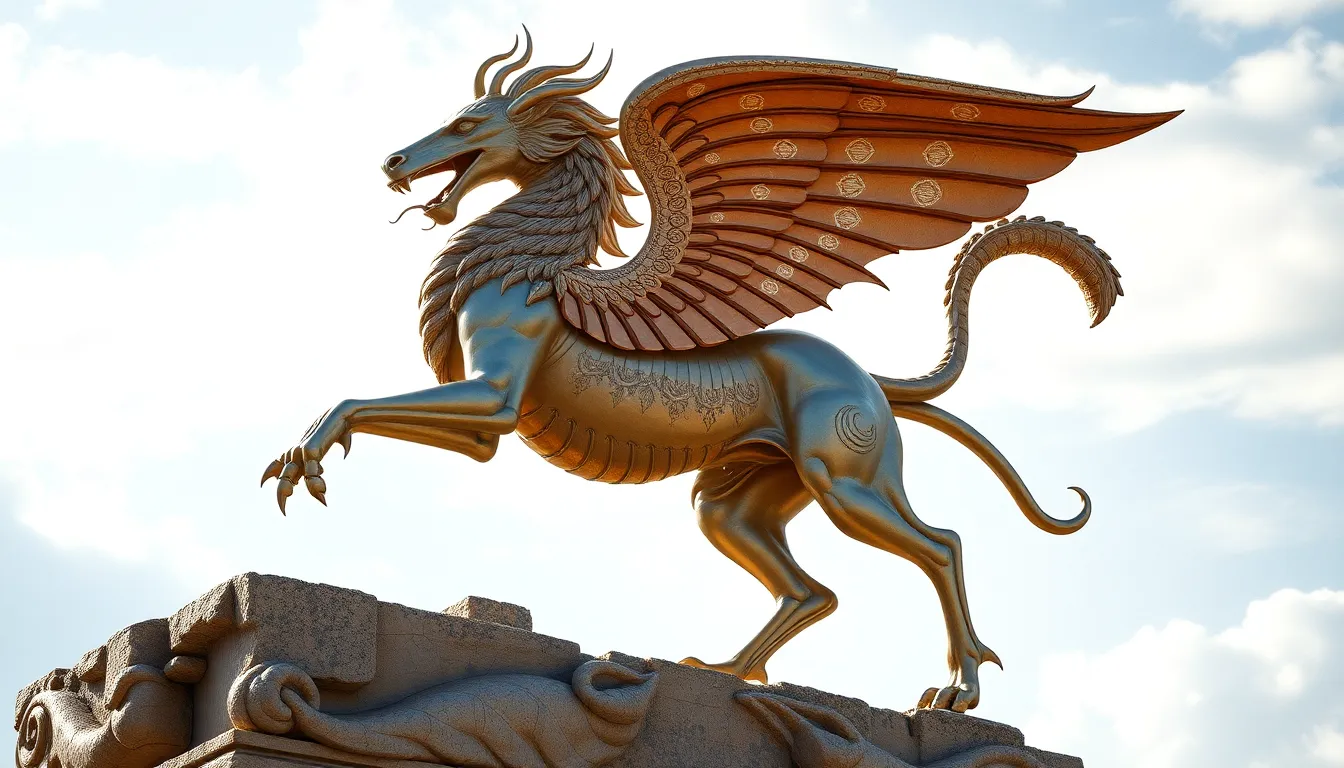
The Chimera’s Role in Shaping Greek Identity and Culture
I. Introduction
The Chimera is one of the most iconic creatures in Greek mythology, often depicted as a fearsome beast with the body of a lion, the head of a goat protruding from its back, and a tail that ends in a serpent’s head. This monstrous creature has captured the imagination of both ancient and modern audiences. Its complex symbolism and representation in various forms of art and literature reveal much about the Greek identity and culture.
This article aims to explore the influence of the Chimera on Greek identity and culture, delving into its mythological origins, its representation in art and literature, its metaphorical significance, and its enduring legacy in modern Greek culture.
II. The Mythological Origins of the Chimera
A. Description of the Chimera in ancient texts
The Chimera first appears in ancient texts such as Homer’s “Iliad” and the works of Hesiod. It is described as a creature that breathes fire and terrorizes the land, representing a formidable challenge to heroes like Bellerophon.
B. Significance of the Chimera in Greek mythology
The Chimera’s significance extends beyond its literal interpretation as a monster. It embodies the chaos and unpredictability of nature, acting as a narrative device that challenges heroes to confront their fears and embrace their destinies.
C. The Chimera as a symbol of chaos and fear
- Representing the unknown and uncontrollable aspects of life.
- Symbolizing the internal struggles faced by individuals in pursuit of order and meaning.
- Reflecting societal fears during periods of turmoil and uncertainty.
III. The Chimera in Greek Art and Literature
A. Representation of the Chimera in ancient sculptures and pottery
The Chimera has been depicted in various forms of ancient Greek art, including pottery and sculpture. These representations often highlight its monstrous features and the chaos it brings.
B. The Chimera’s presence in epic poetry and drama
In epic poetry, the Chimera serves as a formidable opponent for heroes, notably in the story of Bellerophon, who, with the help of Pegasus, ultimately slays the beast. This narrative not only showcases the hero’s bravery but also emphasizes the importance of overcoming chaos.
C. Artistic interpretations and their cultural implications
Artistic representations of the Chimera often reflect the cultural values of the time, including the Greek ideals of heroism, sacrifice, and the struggle against adversity. These interpretations contribute to the understanding of Greek identity and the cultural narrative surrounding the monster.
IV. The Chimera as a Metaphor for Greek Identity
A. The Chimera’s embodiment of the Greek struggle against chaos
The Chimera symbolizes the constant struggle of the Greeks against chaos, both in their personal lives and in the broader context of their society. This struggle is integral to the concept of heroism in Greek culture.
B. Connection to the broader themes of duality and unity in Greek culture
Greek mythology often embraces themes of duality, such as chaos versus order, life versus death, and individual versus society. The Chimera, with its composite form, encapsulates these themes, serving as a reminder of the complexities of existence.
C. The Chimera as a reflection of the Greek psyche
As a cultural symbol, the Chimera reflects the Greek psyche, encompassing fears, aspirations, and the desire for control over one’s fate. The creature serves as a metaphor for the internal and external battles faced by individuals and society as a whole.
V. The Chimera in Modern Greek Culture
A. The resurgence of the Chimera in contemporary art and literature
In modern times, the Chimera continues to inspire artists and writers, appearing in various forms of contemporary art and literature. Its multifaceted nature allows for reinterpretation and exploration of modern themes.
B. The Chimera in popular culture and media
The Chimera’s influence extends into popular culture, where it appears in films, video games, and literature. These representations often draw on the creature’s mythological roots while also adapting it to modern narratives.
C. The role of the Chimera in national identity today
For many Greeks, the Chimera remains a potent symbol of national identity, representing resilience and the ability to confront adversity. It serves as a reminder of the complexities of history and the ongoing influence of mythology in shaping contemporary culture.
VI. Comparative Analysis: The Chimera and Other Mythical Creatures
A. Similarities and differences with creatures like the Sphinx and Minotaur
While the Chimera, Sphinx, and Minotaur are all significant figures in Greek mythology, they each embody different aspects of the human experience:
- The Sphinx represents the riddle of existence and the pursuit of knowledge.
- The Minotaur symbolizes the struggle against one’s inner demons and the labyrinth of life.
- The Chimera embodies chaos and the need to confront fears head-on.
B. The Chimera’s unique place within the pantheon of Greek mythology
The Chimera occupies a unique position in Greek mythology as a hybrid creature that defies categorization. Its complexity allows it to serve multiple symbolic functions, making it a versatile and enduring figure.
C. Insights into Greek culture through comparative mythology
By comparing the Chimera with other mythical creatures, we gain insights into the values, fears, and aspirations of ancient Greek society. These comparisons highlight the interconnectedness of myth and culture.
VII. The Chimera’s Influence on Greek Philosophy and Thought
A. Philosophical interpretations of the Chimera and its symbolism
The Chimera has also influenced philosophical thought, representing the dualities inherent in existence, such as the conflict between chaos and order. Philosophers have drawn upon the Chimera to discuss the nature of reality and perception.
B. The Chimera in discussions of ethics and morality in ancient Greece
Ethical dilemmas often mirror the struggle symbolized by the Chimera, as individuals must navigate the complexities of moral choices in a chaotic world. The creature serves as a metaphor for the consequences of unbridled ambition and the quest for power.
C. The legacy of the Chimera in shaping Greek philosophical discourse
The Chimera’s legacy continues to resonate in Greek philosophy, influencing contemporary discussions about identity, existence, and the human condition. Its multifaceted symbolism encourages ongoing exploration of these themes.
VIII. Conclusion
A. Recap of the Chimera’s significance in Greek identity and culture
The Chimera is a rich symbol of chaos, fear, and the human struggle for order and understanding. Its presence in mythology, art, and philosophy illustrates its integral role in shaping Greek identity and culture.
B. The ongoing relevance of the Chimera in modern Greek life
Even today, the Chimera continues to inspire and provoke thought, serving as a reminder of the complexities of life and the importance of confronting one’s fears.
C. Final thoughts on the interplay between mythology and cultural identity
The interplay between mythology and cultural identity is a dynamic and ongoing process. The Chimera, as a multifaceted symbol, exemplifies how myths can shape and reflect the values, fears, and aspirations of a society.