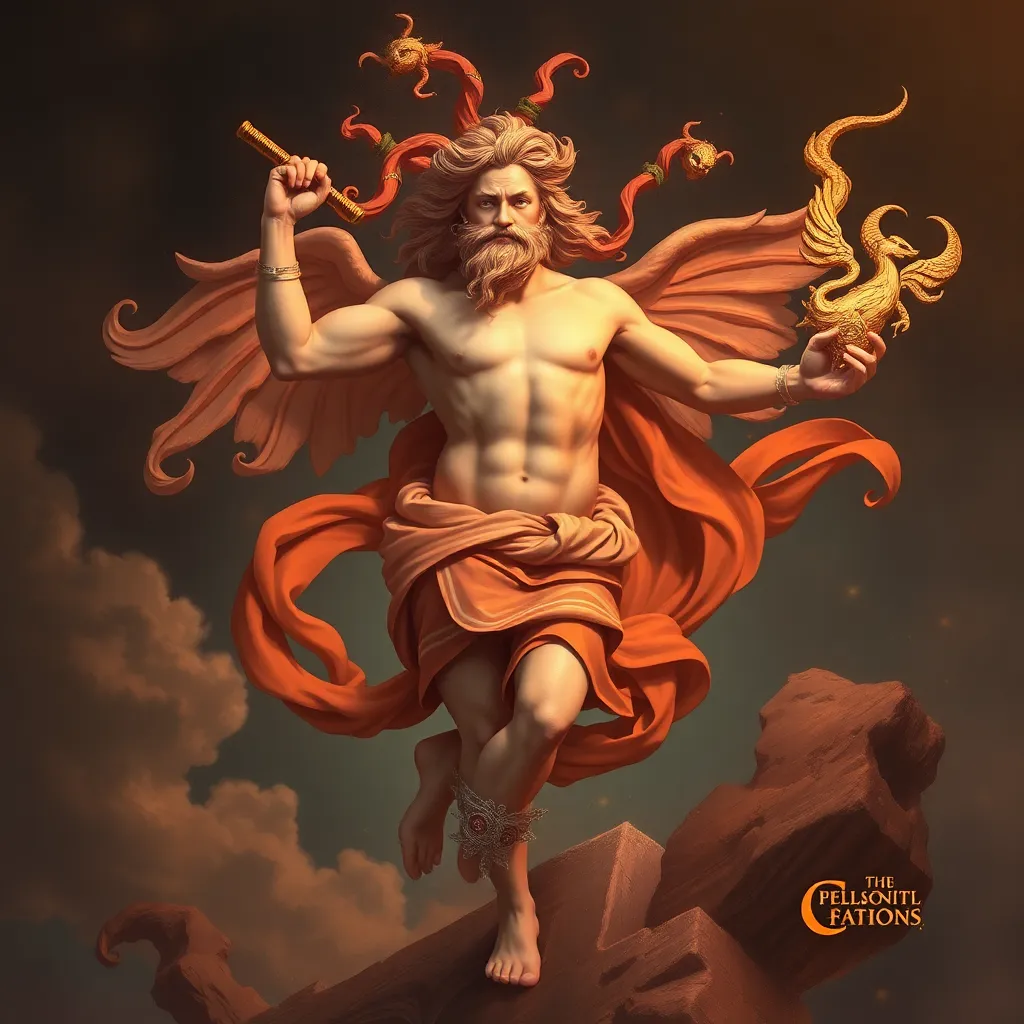
The Gender Fluidity of Dionysus: A Study of His Myths
I. Introduction
Gender fluidity in mythology refers to the ability of deities and mythological figures to embody and express a spectrum of gender identities, often transcending traditional binary classifications. Dionysus, the Greek god of wine, fertility, and ecstasy, is a quintessential example of a multifaceted deity whose myths and representations challenge rigid gender norms.
This article aims to explore the gender fluidity of Dionysus through an examination of his historical context, mythological representations, cult practices, and the broader implications of his duality. By analyzing these aspects, we can gain a deeper understanding of how ancient Greek society perceived gender and how these perceptions resonate in contemporary discussions of identity.
II. Historical Context of Dionysus in Ancient Greece
Dionysus’s worship has its roots in ancient Greek culture, evolving from early agricultural rituals associated with the vine and wine-making. His transformation into a prominent deity was marked by the introduction of theatrical performances and ecstatic rites that blurred the lines between male and female roles within society.
- Origins and evolution of Dionysian worship: Initially a local fertility god, Dionysus became a central figure in Greek religion, symbolizing the chaotic and liberating aspects of human nature.
- Cultural significance of gender roles in ancient Greek society: Ancient Greece had strict gender roles, yet Dionysus’s worship allowed for subversion and exploration of these roles, particularly through his followers.
- The interplay between myth and societal norms: Myths surrounding Dionysus reflect the complexities of identity and the acceptance of fluidity in a society that often resisted it.
III. Mythological Representations of Dionysus
Dionysus’s myths are rich with themes of gender fluidity, showcasing his ability to traverse different identities and roles. Key narratives illustrate the complexities of his character.
A. Key myths illustrating Dionysus’s gender fluidity
- Birth narrative and duality: Dionysus is often described as having a dual nature, born from Zeus and the mortal Semele. This narrative positions him between the divine and human realms, embodying both masculinity and femininity.
- Transformative journeys and cross-dressing: In several myths, Dionysus transforms himself and others, often adopting female personas. This ability to change form reflects his fluid nature and challenges traditional gender norms.
B. Symbolism of gender in Dionysian rituals
- Maenads and their role in expressing femininity: The female followers of Dionysus, known as Maenads, engaged in ecstatic worship, often depicted in a state of frenzy. Their rituals allowed them to break free from societal constraints, embodying a powerful form of femininity.
- Satyrs and their representation of masculinity: Satyrs, male companions of Dionysus, are depicted with exaggerated masculine traits, yet they also embrace playful and sometimes subversive behaviors, emphasizing the coexistence of gender traits.
IV. The Role of Gender in Dionysian Cult Practices
Dionysian cult practices were characterized by their fluid approach to gender, allowing participants to explore and express identities beyond societal norms.
A. Gender bending in Bacchic festivals
Bacchic festivals celebrated Dionysus and featured rituals that encouraged participants to adopt roles contrary to their gender, fostering an environment of liberation and self-exploration.
B. Transgressive elements in Dionysian worship
The worship of Dionysus often included elements that challenged the status quo, such as cross-dressing and the blurring of gender roles, reflecting the deity’s own fluidity.
C. Influence of Dionysus on gender roles in ancient rituals
Dionysian rituals allowed for a re-examination of gender roles, offering a space where individuals could express different aspects of their identity freely.
V. Dionysus and the Concept of Androgyny
Androgyny is a prominent theme in the myths surrounding Dionysus, representing the blending of masculine and feminine traits.
A. Androgyny as a theme in Dionysian myths
Dionysus embodies androgyny, challenging traditional gender binaries and presenting a more fluid understanding of identity.
B. Analysis of artistic representations of Dionysus
Throughout history, Dionysus has been depicted in various forms, often showcasing his dual nature through art and sculpture, which reflect both masculine and feminine attributes.
C. The impact of androgyny on contemporary interpretations of gender
The androgynous nature of Dionysus resonates with modern discussions on gender identity, highlighting the relevance of ancient myths in contemporary society.
VI. Comparisons with Other Deities of Gender Fluidity
Dionysus shares similarities with other mythological figures known for their gender fluidity, such as Hermaphroditus and Aphrodite.
A. Similarities with figures like Hermaphroditus and Aphrodite
Like Dionysus, Hermaphroditus embodies both male and female characteristics, while Aphrodite represents the complexities of love and beauty that transcend gender.
B. Distinctions in their representations and narratives
While all these deities explore themes of fluidity, Dionysus’s narratives are unique in their emphasis on ecstatic liberation and the celebration of both masculine and feminine aspects.
C. Broader implications for understanding gender in mythology
The exploration of these figures reveals a rich tapestry of gender representation in mythology, offering insights into how ancient cultures understood and expressed identity.
VII. Modern Interpretations and Relevance
In contemporary society, interest in Dionysus has surged, particularly within discussions surrounding gender and identity.
A. The resurgence of interest in Dionysus in contemporary discussions of gender
Dionysus is increasingly recognized as a symbol of gender fluidity, resonating with modern movements that advocate for greater acceptance of diverse identities.
B. Dionysus as a symbol in LGBTQ+ movements
As a figure representing liberation and self-expression, Dionysus has been embraced by LGBTQ+ communities seeking to challenge traditional narratives and celebrate diversity.
C. Lessons from Dionysian myths for modern gender discourse
The myths of Dionysus offer valuable lessons on the importance of embracing fluidity and breaking free from societal constraints, encouraging individuals to explore their identities fully.
VIII. Conclusion
The significance of gender fluidity in the myths of Dionysus reveals a complex understanding of identity that transcends time. As society continues to grapple with issues of gender, the ancient narratives surrounding Dionysus serve as a powerful reminder of the fluid nature of identity.
In conclusion, the exploration of gender in mythology remains relevant, providing insights into contemporary discussions of identity and the human experience. The stories of Dionysus invite further exploration of how ancient narratives can inform and enrich our understanding of modern identity.
We encourage continued scholarship and discussion on the implications of gender fluidity in mythology and its relevance in our lives today.