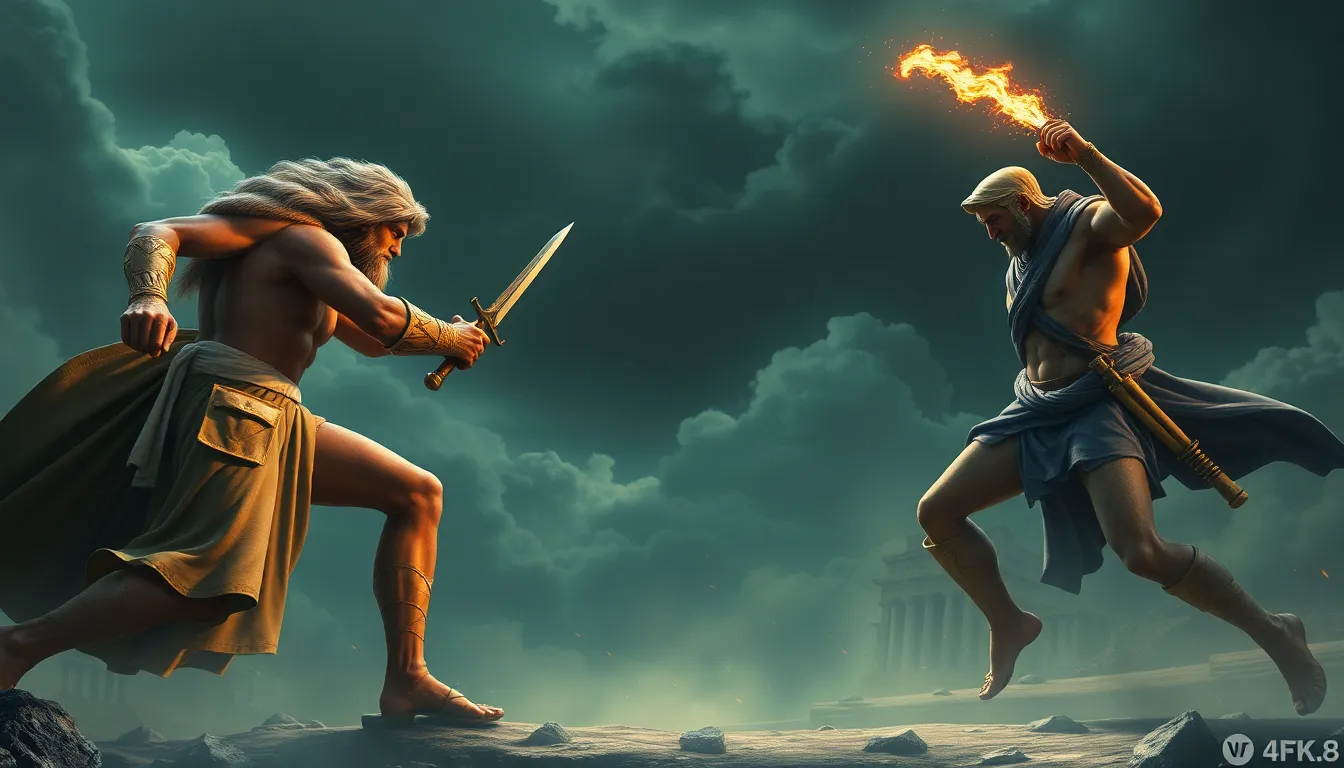
The Heroic Duels of Athens: Battles That Defined Legends
I. Introduction
The ancient city of Athens, a cradle of democracy and culture, was also a stage for legendary confrontations that shaped its identity. Duels were not merely contests of strength or skill; they were significant events that symbolized honor, bravery, and the societal expectations of the time. The tales of these heroic duels have been immortalized in mythology and literature, influencing generations and leaving a lasting legacy.
This article delves into the significance of duels in ancient Athens, introduces key figures such as Theseus and Achilles, and explores the broader cultural context of these legendary battles. We aim to uncover how these duels were not only pivotal moments in Athenian history but also reflections of the values and beliefs of its society.
II. The Cultural Context of Heroic Duels in Ancient Athens
In ancient Athens, honor and reputation were cornerstones of social life. The outcomes of duels often determined a warrior’s status, and the narratives surrounding these confrontations resonated deeply within the community.
A. The role of honor and reputation in Athenian society
Honor was a driving force in Athenian culture, influencing decisions and actions. Men were expected to defend their name and that of their family, often leading to duels as a means of resolving disputes or proving superiority.
- Honor was linked to social standing and personal integrity.
- Defending one’s reputation was often seen as more important than life itself.
- Duels were viewed as necessary to restore honor after perceived slights.

B. The influence of mythology and literature on perceptions of duels
Mythology played a crucial role in shaping the ideals of heroism and valor in Athens. Epic tales of duels were recounted in poetry and drama, illustrating the virtues of bravery, cunning, and sacrifice.
- Homer’s “Iliad” features numerous duels that set standards for heroism.
- Tragedies often explored the consequences of personal conflict and honor.
- These stories reinforced the cultural significance of dueling as a means of achieving glory.
C. Ritualistic aspects of dueling in Athenian culture
Duels were often steeped in ritual, reflecting both the seriousness of the act and its cultural importance. Specific customs were followed to ensure the duel’s legitimacy and to honor the gods.
- Duels often began with formal challenges and oaths.
- Rituals included sacrifices to gods like Ares, the god of war.
- The outcome of a duel was believed to be influenced by divine favor.
III. Notable Duelists and Their Legends
Throughout Athenian history, certain figures emerged as legendary duelists whose stories transcended time, embodying the spirit of their age and becoming symbols of valor.
A. The rise of prominent duelists in Athenian history
Several individuals rose to prominence due to their exceptional skills in combat and their involvement in iconic duels. Each of these figures contributed to the rich tapestry of Athenian lore.
B. Profiles of key figures (e.g., Theseus, Achilles, and others)
- Theseus: The mythical king of Athens who defeated the Minotaur in the Labyrinth, symbolizing the triumph of civilization over chaos.
- Achilles: The greatest Greek hero of the Trojan War, known for his duel with Hector, which epitomized the themes of honor and vengeance.
- Hercules: Famous for his incredible strength and numerous heroic feats, including several duels against formidable foes.
C. The legacy of these figures in Athenian lore
The stories of these legendary duelists have become foundational narratives in Athenian culture, inspiring not only warriors but also poets, playwrights, and philosophers. Their legacies continue to resonate in literature and art, serving as archetypes of heroism.
IV. Iconic Duels: Stories of Valor and Defiance
Among the myriad of heroic duels in Athenian history, certain confrontations stand out for their dramatic narratives and profound implications.
A. Detailed accounts of significant duels
1. The duel between Theseus and the Minotaur
This legendary confrontation took place in the labyrinth of Crete, where Theseus confronted the fearsome Minotaur, a creature born of human and beast. Armed with a sword and a ball of thread provided by Ariadne, Theseus navigated the maze and ultimately triumphed over the beast, symbolizing the victory of intellect and bravery over sheer brute force.
2. The legendary face-off between Achilles and Hector
The duel between Achilles and Hector, as depicted in the “Iliad,” is one of the most famous episodes in Greek mythology. After Hector kills Achilles’ close friend Patroclus, Achilles seeks vengeance. Their battle is marked by intense emotions and reflects the themes of honor and fate. Achilles’ victory over Hector leads to a series of tragic events that emphasize the futility of revenge.
B. Analysis of the outcomes and their impact on Athenian identity
The outcomes of these duels not only shaped individual destinies but also influenced the collective identity of Athens. The victory of Theseus over the Minotaur is seen as a triumph of civilization, while Achilles’ defeat of Hector highlights the tragic consequences of pride and vengeance. These stories encapsulate the values of bravery, sacrifice, and the complexities of human emotions.
V. The Role of Strategy and Tactics in Duels
Heroic duels were not merely contests of raw strength; they involved considerable strategy, skill, and preparation. Understanding the tactical aspects of these confrontations sheds light on the nature of warfare in ancient Athens.
A. Examination of combat techniques and strategies used by duelists
Successful duelists employed various combat techniques and strategies that reflected their training and experience. Key methods included:
- Understanding the strengths and weaknesses of opponents.
- Utilizing the environment to gain an advantage.
- Employing psychological tactics to intimidate or mislead opponents.
B. The importance of training and preparation
Preparation for a duel often involved rigorous training in combat arts, including wrestling, swordsmanship, and tactics. Duelists would spend years honing their skills before engaging in battles that could define their legacies.
C. How dueling strategies reflected broader military practices
The strategies developed in personal duels often mirrored those used in larger military engagements. The emphasis on honor, tactical ingenuity, and the psychological aspects of combat were essential components of both personal and collective warfare in ancient Athens.
VI. The Aftermath of Heroic Duels
The outcomes of duels had far-reaching implications for Athenian society, shaping political dynamics and cultural narratives.
A. The societal implications of duel outcomes
Victorious duelists often gained heightened status and respect within their communities. Conversely, defeat could lead to disgrace and diminished social standing, affecting an individual’s legacy for generations.
B. How battles shaped political dynamics in Athens
Duels could influence political allegiances, as victorious heroes were often celebrated and sought after by city-states for their military prowess. The stories of these heroes could rally citizens and inspire collective action.
C. The influence of dueling on subsequent generations and warfare
The legacies of these heroic duels shaped military training and the ideal of the hero in Athenian society. The narratives surrounding these confrontations became integral to Athenian identity, influencing future generations both in warfare and in cultural expressions.
VII. The Legacy of Athenian Duels in Modern Culture
The influence of Athenian duels extends beyond ancient history, permeating modern literature, art, and popular culture.
A. Influence on literature, art, and popular culture
The stories of legendary duelists have inspired countless works of art and literature throughout history. From classical tragedies to modern novels and films, the themes of honor, bravery, and the complexity of human emotions continue to resonate.
B. Comparisons between ancient duels and modern interpretations of heroism
Modern