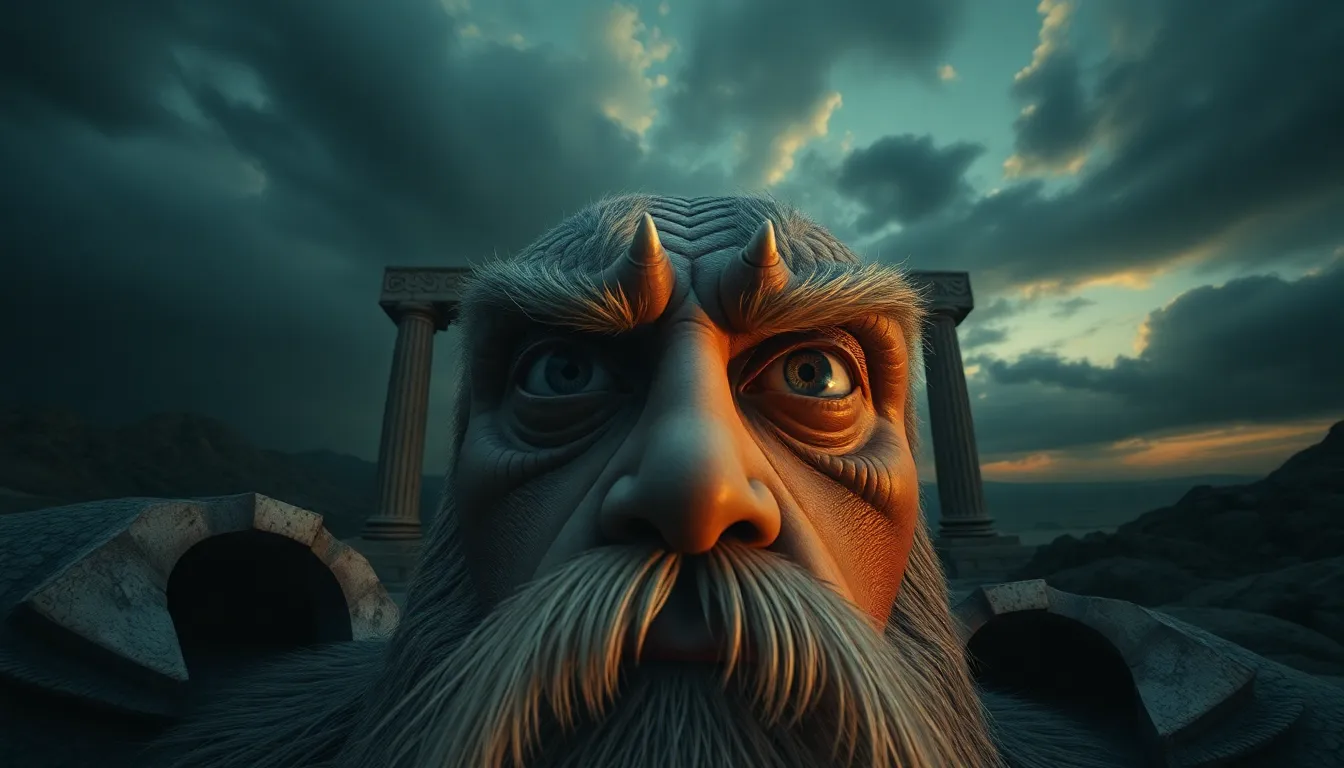
The Modern-Day Cyclops: One-Eyed Perspectives in Film
I. Introduction
The Cyclops, a creature of Greek mythology, is often depicted as a giant with a single eye in the center of its forehead. This mythological being, most famously represented in Homer’s “Odyssey,” serves not only as a figure of brute strength but also as a symbol of isolation and singular perspective. The Cyclops’ limited vision can be interpreted as a metaphor for narrow-mindedness, underscoring the importance of varied viewpoints in understanding the world.
In contemporary cinema, the concept of one-eyed perspectives has evolved, manifesting in various forms that highlight the limitations of perception. This article explores how these perspectives are utilized in film to create compelling narratives and emotional depth.
The purpose of this article is to examine the historical context of the Cyclops myth, the significance of one-eyed perspectives in film, and how they have been represented in modern storytelling. We will analyze iconic films, visual techniques, and the cultural commentary they provide, ultimately reflecting on the enduring legacy of the Cyclops in the realm of cinema.
II. Historical Context of the Cyclops in Literature and Mythology
A. Overview of Cyclops myths in ancient cultures
Cyclopes appear in various ancient cultures, but the Greek myth of the Cyclops is the most well-known. In Greek mythology, Cyclopes were considered the children of Uranus and Gaia, and were known for their craftsmanship, particularly in blacksmithing and creating weapons for the gods. The most famous Cyclops, Polyphemus, is encountered by Odysseus during his journey home, where he embodies both the terror of isolation and the folly of underestimating one’s enemies.

B. Analysis of the Cyclops as a metaphor for perspective and isolation
The Cyclops serves as a powerful metaphor for perspective and isolation. With only one eye, the Cyclops can only see a limited view of the world, representing the dangers of a narrow perspective. This theme resonates throughout literature and has been adapted in various forms, symbolizing how limited viewpoints can lead to misunderstanding and conflict.
C. Transition from mythology to modern interpretations in film
As storytelling has evolved, the Cyclops myth has transitioned into modern interpretations within cinema. Contemporary filmmakers draw on the symbolism of the Cyclops to explore themes of alienation, distorted reality, and the human experience. These adaptations often reflect the complexities of individual perspectives in a multifaceted world.
III. The Significance of the One-Eyed Perspective in Film
A. Definition of one-eyed perspectives in cinematic storytelling
In cinematic storytelling, one-eyed perspectives refer to narratives presented through the lens of characters with limited viewpoints. This can manifest in various ways, such as physical characteristics (like a literal one-eyed character), mental limitations, or even emotional barriers that restrict how the character perceives their surroundings and relationships.
B. Exploration of how limited viewpoints shape narratives
Limited viewpoints shape narratives by creating tension and conflict, as characters often misinterpret situations or are unable to see the bigger picture. This narrative technique allows filmmakers to delve into the psychological aspects of characters, forcing audiences to engage with the story from a constrained perspective.
C. Discussion of the emotional and thematic depth created by these perspectives
By employing one-eyed perspectives, filmmakers can evoke profound emotional responses from audiences. The limitations of a character’s viewpoint often lead to deeper themes of understanding, empathy, and the struggle for connection in an increasingly fragmented world. This depth resonates with audiences, prompting reflection on their own perspectives and biases.
IV. Iconic Films Featuring One-Eyed Characters
A. Analysis of classic films with one-eyed protagonists or antagonists
Throughout cinematic history, numerous films have featured one-eyed characters. These characters often embody the themes of isolation and misperception. Some classic examples include:
- The One-Eyed Jacks (1961) – A Western film that explores themes of betrayal and revenge through the lens of a one-eyed outlaw.
- The Elephant Man (1980) – While not literally one-eyed, the character John Merrick’s physical deformities symbolize societal isolation and the limited perspectives of those around him.
- The Goonies (1985) – The character Sloth, with his physical deformities, represents misunderstood innocence and the importance of looking beyond appearances.
B. Examination of character motivations and narrative implications
The motivations of one-eyed characters often drive the narrative forward, as their limitations create conflict and propel character development. For instance, in The One-Eyed Jacks, the protagonist’s singular focus on revenge leads to tragic consequences, highlighting the dangers of a narrow perspective.
C. Case studies: Key examples and their impact on audiences
Films like The Elephant Man have had a profound impact on audiences, challenging perceptions of beauty and normalcy. The character’s struggle for acceptance resonates deeply, emphasizing the importance of empathy and understanding in a world that often judges based on appearances.
V. The Role of Visual Techniques in Conveying One-Eyed Perspectives
A. Cinematography and framing: Techniques used to represent limited viewpoints
Filmmakers utilize various cinematographic techniques to convey one-eyed perspectives. Techniques such as close-ups, selective focus, and asymmetrical framing can create a sense of disorientation and emphasize a character’s limited view of the world. For example, close-up shots of a one-eyed character can evoke intimacy while simultaneously highlighting their isolation.
B. Use of symbolism and imagery associated with one-eyed characters
Symbolism plays a crucial role in portraying one-eyed perspectives. The eye itself can symbolize perception, knowledge, and insight. In many films, a character’s single eye can represent both clarity and blindness, illustrating the duality of understanding and misinterpretation.
C. The impact of visual storytelling on audience perception
Visual storytelling techniques significantly influence audience perception. By immersing viewers in the limited perspective of a character, filmmakers can evoke empathy and reflection, encouraging audiences to consider their own biases and perceptions. This engagement enhances the emotional impact of the narrative.
VI. Modern Interpretations of the Cyclops in Contemporary Cinema
A. Trends in recent films that feature one-eyed perspectives
Recent films have seen a resurgence of one-eyed perspectives, often used to explore themes of alienation, identity, and the human condition. Films like The Shape of Water and Bird Box utilize limited perspectives to create suspense and emotional depth, reflecting contemporary societal issues.
B. Examination of genre variations (horror, drama, fantasy)
One-eyed perspectives can be found across various genres, including:
- Horror: Films like The Eye use the concept of vision to explore fear and the unknown.
- Drama: A Single Man presents a protagonist grappling with loss and isolation, emphasizing the emotional weight of limited perspectives.
- Fantasy: In The Chronicles of Narnia, the character of the White Witch represents a distorted view of power and beauty.
C. How modern filmmakers reinterpret the Cyclops myth
Modern filmmakers reinterpret the Cyclops myth by infusing it with contemporary relevance. They often portray one-eyed characters as symbols of resilience and complexity, challenging audiences to confront their own perceptions and biases. This reinterpretation enriches the legacy of the Cyclops, making it a relevant theme in today’s storytelling.
VII. Cultural Commentary: One-Eyed Perspectives and Society
A. How one-eyed perspectives reflect societal issues and human experiences
One-eyed perspectives in film often serve as a mirror to societal issues, reflecting the complexities of human experiences. Themes of alienation, misunderstanding, and the struggle for identity resonate with audiences, prompting discussions about acceptance and empathy in a diverse world.
B. The role of diversity and representation in shaping narratives
Diversity in storytelling is crucial for broadening perspectives in film. One-eyed characters can symbolize marginalized voices, allowing filmmakers to highlight issues of representation and inclusion. By amplifying these voices, cinema can challenge dominant narratives and foster a deeper understanding of the human experience.
C. Discussion of audience reception and critical analysis of these films
Audience reception of films featuring one-eyed perspectives varies, often reflecting broader societal attitudes. Critical analysis can reveal deeper meanings embedded within these narratives, prompting viewers to engage with the themes on a personal level. The discussions generated by such