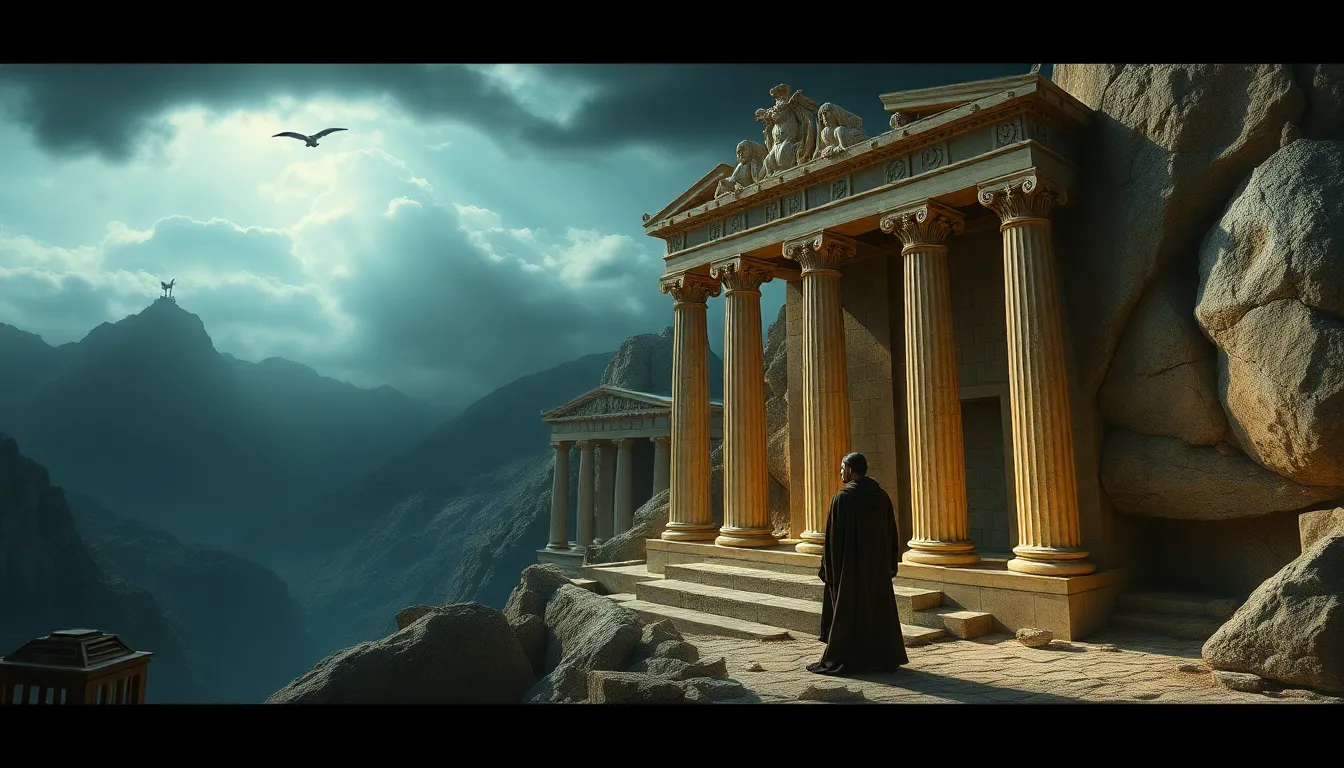
The Myth of the Lethe: Forgetting in Hades’ Embrace
I. Introduction
The Lethe River, one of the five rivers of the Greek underworld, holds a significant place in Greek mythology. It is often described as the river of forgetfulness, where souls who have died drank to forget their earthly lives. The themes of memory and forgetting play a crucial role in the narratives surrounding Hades, the realm of the dead, as they delve into the complexities of identity and existence beyond life.
This article aims to explore the implications of forgetting in the afterlife, particularly through the lens of the Lethe. By examining its origins, cultural significance, and philosophical interpretations, we will gain a deeper understanding of the balance between memory and forgetting in the human experience.
II. The Origins of the Lethe Myth
A. Historical context and literary references
The myth of the Lethe can be traced back to ancient Greek literature, notably in works such as Homer’s “Odyssey” and later texts by Plato. In the “Odyssey,” the river is mentioned as a source of forgetfulness that the spirits drink from to erase their past lives. Plato, in his dialogue “Phaedo,” also references the Lethe in his discussions of the soul and the afterlife.

B. Connection to ancient beliefs about the afterlife
In ancient Greek beliefs, the afterlife was not merely a place of reward or punishment; it was also a realm where souls could experience a form of existence that mirrored their earthly lives. The Lethe River served as a vital component of this belief system, emphasizing the necessity of forgetting to allow the soul to move on and be reborn anew.
C. The symbolism of the Lethe River in mythological narratives
The Lethe symbolizes the duality of memory and forgetting. While memory is often cherished as a means of preserving identity, forgetting offers a different form of liberation. The river serves as a boundary between the mortal world and the eternal, highlighting the transient nature of human experiences.
III. The Role of Memory in Greek Culture
A. Importance of memory in personal and communal identity
In Greek culture, memory was paramount not only for individuals but for society as a whole. The stories of heroes, gods, and significant events were passed down through generations, shaping communal identity and cultural heritage. Oral traditions and epic poetry celebrated the past, ensuring that memories persisted beyond death.
B. How memory shapes legacy and heroism
Memory played a crucial role in defining heroism. The greatest Greek heroes, such as Achilles and Odysseus, are remembered not just for their deeds but for the stories that encapsulate their struggles and triumphs. Their legacies are interwoven with collective memory, creating a lasting impact on culture and identity.
C. Contrasts between mortal life and the eternal nature of memory in the afterlife
In contrast to the fleeting nature of mortal life, memory in the afterlife is eternal. The souls in Hades grapple with the loss of their identities, as the act of forgetting through the Lethe diminishes their connections to their pasts. This dichotomy raises questions about the essence of self and the importance of memory in defining who we are.
IV. The Process of Forgetting in Hades
A. Description of the Lethe and its function in the underworld
The Lethe is often depicted as a serene, flowing river, its waters clear and inviting. In the underworld, it serves the essential function of facilitating the forgetting process for newly arrived souls. By drinking from the Lethe, souls are cleansed of their earthly memories, allowing them to transition to their next phase of existence.
B. The act of drinking from the Lethe: ritual and significance
The act of drinking from the Lethe is laden with ritual significance. It represents a voluntary relinquishing of memories tied to pain, loss, and worldly attachments. This act is essential for those who wish to be reborn in a new life, emphasizing the importance of forgetting as a means of renewal.
C. Psychological implications of forgetting in the context of eternal life
The psychological implications of forgetting in Hades are profound. While forgetting can be seen as a release from suffering, it also raises questions about identity and continuity. If memories are erased, what remains of the self? This paradox of forgetting challenges the notion of permanence in the afterlife.
V. The Philosophical Interpretations of Forgetting
A. Perspectives from ancient philosophers (e.g., Plato, Aristotle)
Ancient philosophers had varying perspectives on memory and forgetting. Plato viewed forgetting as a necessary process for the soul’s journey, allowing it to achieve higher forms of understanding and truth. Aristotle, on the other hand, emphasized the importance of memory in shaping personal identity and knowledge, suggesting that forgetting could lead to a disconnection from one’s essence.
B. The relationship between forgetting and the concept of the soul
The relationship between forgetting and the soul is complex. In many philosophical frameworks, the soul is seen as an eternal entity that carries the weight of memories. However, the Lethe introduces a contrasting view, suggesting that forgetting is essential for the soul’s evolution and liberation from past burdens.
C. Modern philosophical reflections on memory and identity
In contemporary philosophy, discussions around memory often intersect with discussions of identity. The Lethe myth serves as a poignant reminder that forgetting can be both a curse and a blessing. Modern thinkers explore how our memories shape who we are, while also recognizing the necessity of forgetting for personal growth and healing.
VI. The Emotional Landscape of Forgetting
A. The grief and loss associated with forgetting loved ones
Forgetting loved ones is one of the most painful aspects of the Lethe’s influence. The act of forgetting can signify a loss of connection and love, leading to profound grief. In the context of Hades, this emotional turmoil is amplified, as souls grapple with their new identities stripped of previous bonds.
B. The paradox of forgetting as a form of liberation
Despite the sorrow associated with forgetting, there is also a paradoxical sense of liberation. The Lethe offers a chance to escape the pain of past traumas and struggles. This duality reflects the complexity of human emotions, where forgetting can lead to both relief and sorrow.
C. Cultural representations of forgetting in literature and art
Throughout literature and art, the theme of forgetting is prevalent. Many works explore the tension between memory and forgetting, illustrating the emotional landscape that accompanies this struggle. From tragic tales of lost love to philosophical musings on identity, the Lethe serves as a powerful symbol of our desire to forget and the pain that often accompanies it.
VII. The Lethe as a Metaphor in Contemporary Society
A. The relevance of the Lethe myth in modern discussions of memory
The Lethe myth remains relevant in contemporary discussions about memory. In an age where individuals are bombarded with information, the ability to forget has never been more crucial. The Lethe serves as a metaphor for the selective nature of memory, highlighting our desire to curate our experiences.
B. The role of technology and media in shaping collective memory
Technology and media play significant roles in shaping collective memory. Social media platforms, for example, often encourage a curated version of life, where individuals selectively share memories. This modern interpretation of the Lethe reflects society’s struggle with the overwhelming nature of information and the desire to forget what is no longer relevant.
C. Reflections on personal and societal desires to forget
On both personal and societal levels, the desire to forget is evident. Individuals may seek to forget painful experiences, while societies often grapple with collective memories of trauma. The Lethe serves as a poignant reminder of our need to navigate the fine line between preserving memory and allowing ourselves the freedom to forget.
VIII. Conclusion
In conclusion, the Lethe River in Greek mythology serves as a profound symbol of the complexities surrounding memory and forgetting. Its significance extends beyond the realm of the afterlife, offering insights into the human experience, identity, and the emotional landscapes we navigate.
The enduring impact of the Lethe myth continues to resonate in contemporary discussions about memory, identity, and the paradoxical nature of forgetting. As we reflect on these themes, we are reminded of the delicate balance between holding onto memories and the necessity of letting go in our journey through life.