The Mythical Lineage of Athens’ Greatest Heroes
I. Introduction
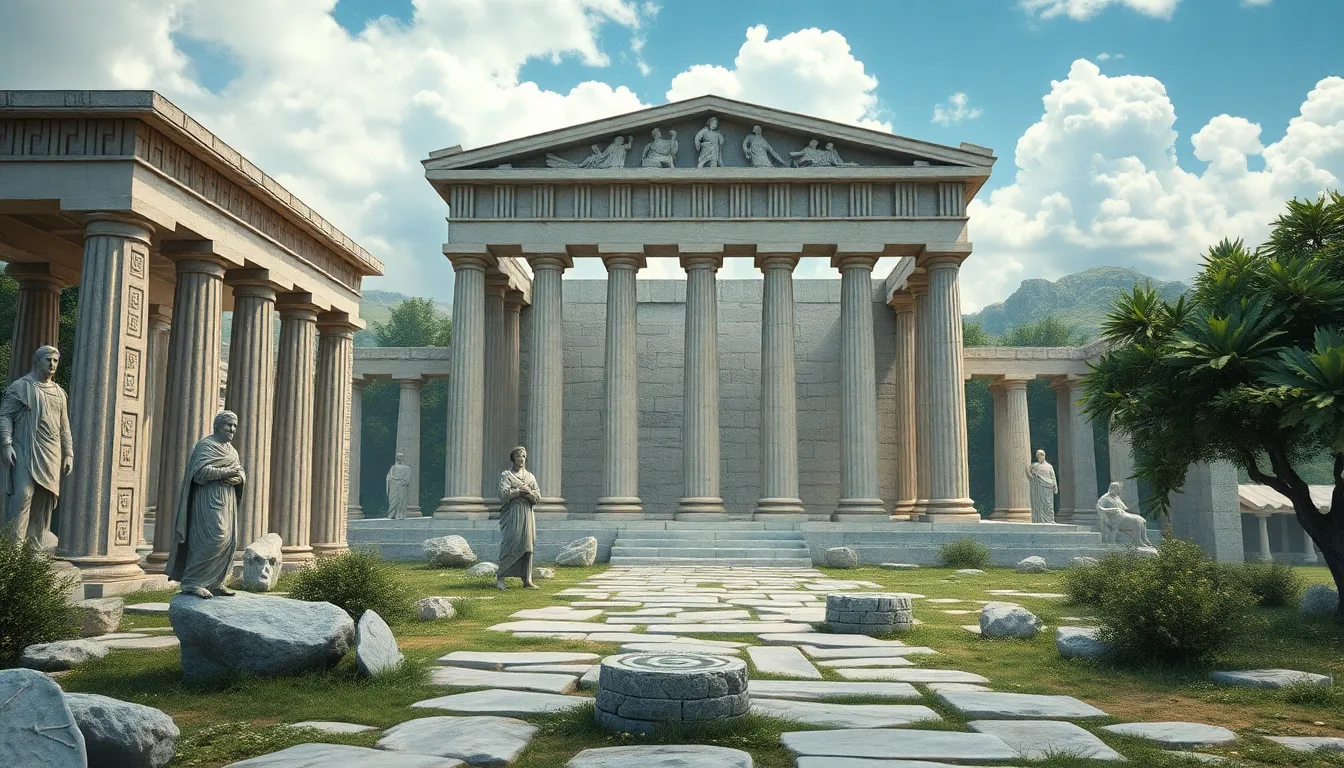
Athens, often referred to as the cradle of Western civilization, is steeped in mythology and heroism. From the grand Parthenon that honors Athena to the dramatic tales of its legendary heroes, Athens serves as a focal point for stories that shaped ancient Greek culture. The importance of these legendary heroes cannot be overstated; they embody the values, aspirations, and struggles of Athenian society. This article aims to explore the mythical lineage of Athens’ greatest heroes, examining their origins, adventures, and enduring legacies.
II. The Origins of Athenian Mythology
The historical context of Athens in ancient Greece reveals a society deeply intertwined with its myths. The city-state flourished during the 5th century BCE, a period marked by cultural and intellectual achievements, including the birth of democracy. Mythology played a pivotal role in shaping Athenian identity, providing a framework through which the citizens understood their world and their place within it.
Key sources of Athenian myths include:
- Literature: Works by poets such as Homer and Hesiod, and playwrights like Sophocles and Euripides.
- Art: Vases, sculptures, and reliefs depicting mythological scenes.
- Oral Tradition: Stories passed down through generations, often recounted in festivals and public gatherings.
III. The Heroic Lineage of Theseus
One of the most celebrated heroes of Athenian mythology is Theseus, whose life story is filled with remarkable feats and adventures. Theseus was born to Aegeus, the king of Athens, and Aethra. His early life was marked by strength and cunning, and he eventually set out to prove himself worthy of his father’s throne.
Theseus is best known for his confrontation with the Minotaur, a creature that was half-man and half-bull, which dwelled in the Labyrinth of Crete. His journey to slay the Minotaur is a central tale in Athenian mythology:
- Theseus volunteered to be one of the youths sent as tribute to Crete, where he would face the Minotaur.
- With the help of Ariadne, the daughter of King Minos, he navigated the Labyrinth and defeated the beast.
- He escaped with Ariadne but ultimately left her on the island of Naxos, an act that has been interpreted in various ways.
Theseus’ adventures symbolize Athenian unity and democracy, as he is often portrayed as a unifier of the various tribes of Attica and a champion of the people’s rights.

IV. The Legacy of Athena: The Goddess and Her Heroes
Athena, the goddess of wisdom, warfare, and crafts, is revered as the patron deity of Athens. Her influence is profound, not only as a goddess but also through the heroes associated with her. Figures such as Erichthonius, a legendary king of Athens, highlight Athena’s role in fostering heroism and civic responsibility.
The heroes associated with Athena include:
- Erichthonius: Born from the earth and associated with the sacred serpent, he embodies the continuity of Athenian culture.
- Orestes: Though not an Athenian by birth, he was aided by Athena in his quest for justice, showcasing her role as a protector of the wronged.
Athena’s influence on Athenian values is evident in the emphasis on wisdom, courage, and the importance of community. Her presence in mythology serves as a moral compass for the citizens of Athens.
V. The Tragic Tale of Oedipus
The myth of Oedipus, although primarily associated with Thebes, has significant connections to Athens. Oedipus, known for his tragic fate, is a complex character whose story explores profound themes of fate, free will, and the consequences of one’s actions.
Key elements of Oedipus’ myth include:
- The prophecy that he would kill his father and marry his mother, leading to his tragic downfall.
- His quest for truth, which ultimately reveals the horrific reality of his life.
- His exile from Thebes, where he finds solace in Athens, reflecting the city’s role as a refuge for the suffering.
Oedipus serves as a cautionary figure within Athenian mythology, illustrating the delicate balance between human agency and the inescapable nature of fate.
VI. The Heroic Sacrifice of Codrus
Another significant figure in Athenian mythology is King Codrus, whose legend epitomizes the ideals of sacrifice and leadership. According to the myth, during an invasion by the Dorians, Codrus learned that the enemy would win if they killed him. In an act of selflessness, he disguised himself and allowed himself to be killed by the invaders, ensuring the safety of his people.
The significance of sacrifice in Athenian heroism is profound, as it reflects the values of civic duty and loyalty. Codrus is remembered as a model of leadership, embodying the spirit of self-sacrifice for the greater good.
VII. The Role of Women in Athenian Myths
While Athenian mythology is often dominated by male heroes, notable female figures also play crucial roles. Women like Atalanta and Phaedra showcase the complexity of female heroism and its impact on the narratives of male heroes.
Notable female figures include:
- Atalanta: A skilled hunter and warrior who defied traditional gender roles and played a key role in the Argonauts’ quest.
- Phaedra: The tragic wife of Theseus, whose story intertwines with themes of love and betrayal.
The impact of these women on the male heroes of Athens reflects the nuanced representation of female heroism in Athenian mythology, challenging the stereotypes of their time.
VIII. Conclusion
The enduring legacy of Athens’ mythical heroes is a testament to the city’s rich cultural heritage. These stories continue to resonate, not only in their historical context but also in their relevance to modern themes of heroism, sacrifice, and moral complexity. Understanding Athenian mythology offers valuable insights into the values and beliefs that shaped one of the most influential civilizations in history.
As we explore these myths, we recognize the importance of heroism in shaping cultural identity, inspiring future generations to reflect on the stories that define us.