The Nature of Fear in Greek Myths: A Philosophical Exploration
I. Introduction
Fear, in the context of Greek mythology, is a multifaceted emotion that can both paralyze and propel individuals into action. It is a theme woven throughout the narratives of gods and heroes, illustrating how fear can shape destinies and moral choices. Exploring fear through a philosophical lens allows us to understand its complexities, offering insights not only into ancient Greek society but also into human nature itself.
This article delves into key themes surrounding fear in Greek myths, examining its historical perspectives, the role of fear in heroism, the personification of fear through deities and monsters, its relationship with fate and prophecy, the transformative power of fear, and its contemporary relevance. By analyzing these aspects, we can appreciate the depth of fear as a subject in Greek mythology and its implications for understanding both ancient and modern human experiences.
II. The Concept of Fear in Ancient Greece
The ancient Greeks had a unique perspective on fear, viewing it as both a necessary instinct and a debilitating emotion. In their society, fear was often associated with the gods, fate, and the unknown, shaping their understanding of the world.
A. Historical perspectives on fear in Greek society
Fear in ancient Greece was prevalent in various aspects of life, including warfare, religion, and personal relationships. The fear of death and the unknown guided many of the Greeks’ actions, influencing their religious practices and societal norms. This fear often manifested in rituals and sacrifices intended to appease the gods and mitigate misfortune.
![[Did you know?] Greek Mythology: A Reflection of Human Nature](https://i.ytimg.com/vi/Yve00pR9m_k/hqdefault.jpg)
B. Philosophical interpretations by thinkers like Plato and Aristotle
Philosophers such as Plato and Aristotle examined fear through different lenses. Plato, in his dialogues, suggested that fear could lead to irrational behavior, while Aristotle viewed it as a natural response that can serve a purpose. For Aristotle, fear is an emotion that can motivate individuals to act prudently, particularly in the face of danger.
C. The dual nature of fear: a protective instinct vs. a paralyzing emotion
This duality of fear is evident in Greek myths. While fear can protect individuals by prompting caution and strategic thinking, it can also lead to inaction and despair. This complexity of fear is central to many mythological narratives, where characters must confront their fears to achieve greatness or succumb to their limitations.
III. Fear as a Catalyst for Heroism
Within the realm of Greek mythology, fear serves as a crucial catalyst for heroism. The heroes of these myths often face daunting challenges that evoke fear, forcing them to confront and overcome it in their journeys.
A. The role of fear in the hero’s journey
Fear is an integral part of the hero’s journey, representing the obstacles they must navigate. It compels heroes to grow, adapt, and ultimately triumph. The confrontation with fear often leads to significant character development, as heroes learn to harness their fear rather than be consumed by it.
B. Case studies: Odysseus and the Cyclops, Heracles and the Nemean Lion
- Odysseus and the Cyclops: In Homer’s “Odyssey,” Odysseus faces the Cyclops Polyphemus. The fear of death and entrapment drives Odysseus to devise a clever plan, showcasing how fear can inspire ingenuity and bravery.
- Heracles and the Nemean Lion: Heracles’ first labor involves confronting the terrifying Nemean Lion. Initially filled with fear, he ultimately transforms that fear into determination, symbolizing the idea that true heroism often arises from the depths of fear.
C. How fear shapes character development and moral choices
Fear often plays a significant role in shaping the moral choices of characters in Greek myths. Heroes are frequently faced with moral dilemmas that evoke fear of failure, loss, or the consequences of their actions. How they choose to respond to these fears ultimately defines their character and legacy.
IV. The Personification of Fear: Deities and Monsters
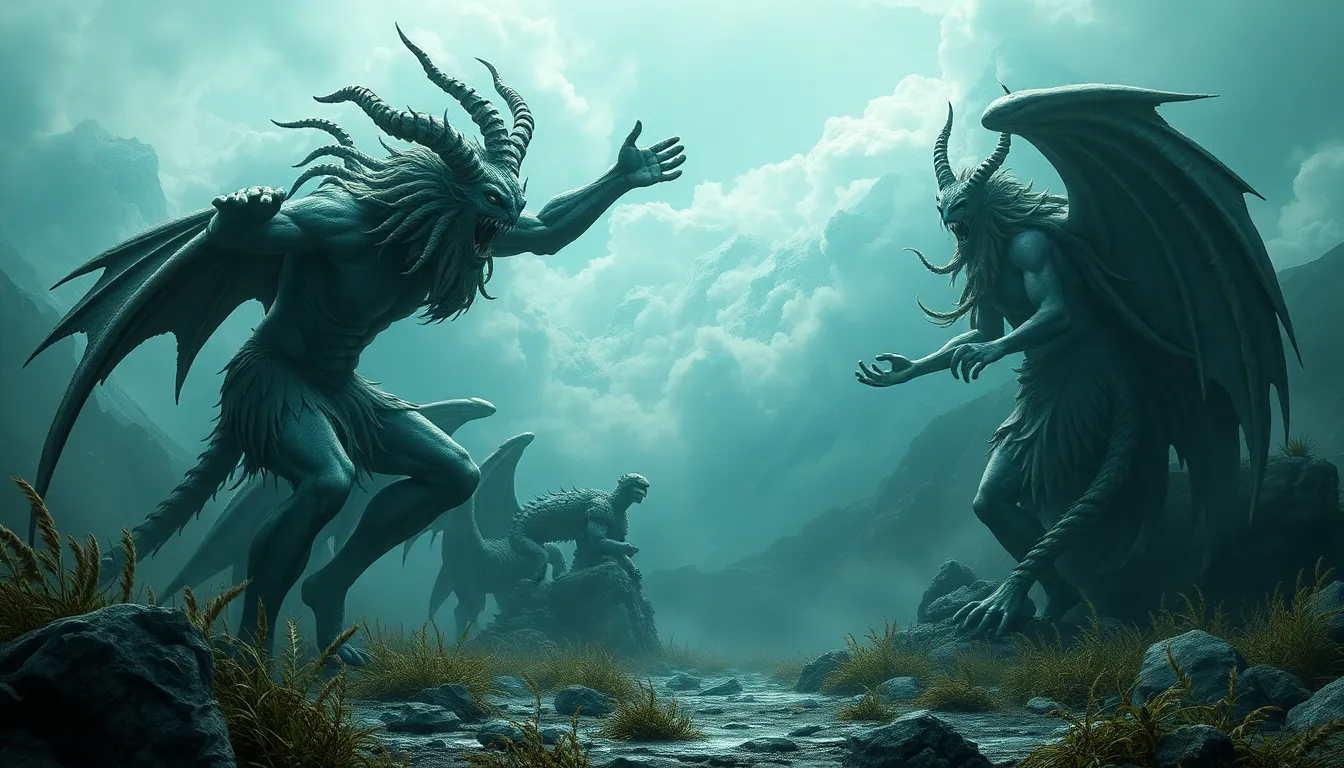
In Greek mythology, fear is not only an emotion but also a tangible entity, personified by deities and embodied in monstrous figures that represent humanity’s collective anxieties.
A. Examination of deities associated with fear (e.g., Phobos)
Phobos, the personification of fear and panic, is often depicted as a companion of Ares, the god of war. His presence in battle symbolizes the paralyzing fear that can overcome soldiers, illustrating how fear can impact even the bravest warriors.
B. Mythical monsters as representations of collective societal fears
Monsters such as the Minotaur or the Chimera embody societal fears, serving as metaphors for the unknown and the chaos that lurks beyond the confines of civilization. These creatures often reflect the anxieties of the society from which they emerge, encapsulating fears of failure, the unknown, and the consequences of hubris.
C. The psychological implications of facing these fears in myth
Confronting these personified fears in myth often leads to psychological growth for the characters involved. The act of facing a monster or deity of fear can symbolize the journey toward self-acceptance and empowerment, highlighting the therapeutic potential of confronting one’s fears.
V. Fear and Fate: The Role of Prophecy
Fear is intricately linked to the concept of fate in many Greek myths, particularly those involving prophecies that foretell doom or tragedy.
A. The intersection of fear and fate in myths like Oedipus
The tale of Oedipus is a poignant example of how fear and fate intertwine. Oedipus’ fear of fulfilling the prophecy that he would kill his father and marry his mother drives him to make choices that ultimately lead him to fulfill that very fate, raising questions about the nature of free will and determinism.
B. How fear of prophecy drives characters’ actions and decisions
Characters in Greek myths often find themselves trapped in a cycle of fear stemming from prophetic visions. Their attempts to escape their fates frequently lead them to act in ways that fulfill the prophecies they dread, illustrating the paradox of attempting to evade destiny.
C. Philosophical implications of free will versus determinism
The interplay between fear and fate raises profound philosophical questions regarding free will. Are the characters truly free to make choices, or are they bound by the fears and prophecies that dictate their paths? This exploration invites readers to reflect on their own lives and the fears that may guide their decisions.
VI. The Transformative Power of Fear
Fear can also serve as a transformative force in Greek myths, acting as a catalyst for personal growth and change.
A. Fear as a catalyst for change and growth in myths
Characters often undergo significant transformations through their encounters with fear. Rather than succumbing to despair, they learn resilience and strength, emerging from their trials as wiser individuals.
B. Examples of transformation through fear: Persephone’s descent, Demeter’s grief
- Persephone’s descent into the Underworld: Her abduction by Hades evokes fear and despair, not only for herself but also for her mother, Demeter. This event leads to a profound transformation in both characters, illustrating how fear can lead to growth and new beginnings.
- Demeter’s grief: The fear of losing her daughter transforms Demeter into a powerful figure who influences the seasons, showcasing how fear can lead to action and change in the world.
C. Philosophical reflections on fear as a pathway to wisdom
Ultimately, the myths suggest that fear, when confronted, can lead to enlightenment and wisdom. The struggles and journeys of the characters offer valuable lessons about the importance of facing one’s fears, as doing so can lead to personal growth and a deeper understanding of life.
VII. Contemporary Relevance of Fear in Greek Myths
The themes of fear explored in Greek mythology remain relevant today, offering lessons for understanding modern fears and challenges.
A. Lessons from Greek myths in understanding modern fears
Greek myths provide a framework for understanding contemporary fears, such as fear of failure, loss, and the unknown. By examining these ancient narratives, we can gain insights into our own fears and how they shape our lives.
B. The ongoing influence of these myths in literature and psychology
The archetypes and themes found in Greek myths continue to influence literature, art, and psychological practices. The exploration of