The Philosophical Dimensions of the Greek Myth of Icarus
I. Introduction
The myth of Icarus is one of the most enduring tales from Greek mythology, encapsulating themes of ambition, creativity, and the consequences of hubris. At its core, the story serves as a powerful allegory for human aspiration and the inherent dangers that accompany the desire to transcend one’s limitations. Through the centuries, this myth has found its place in literature, art, and philosophy, prompting deep reflections on the nature of ambition and the human condition.
The importance of the Icarus myth in Greek literature and philosophy cannot be overstated. It serves as a cautionary tale, emphasizing the delicate balance between striving for greatness and recognizing one’s limitations. This article seeks to explore the various philosophical themes present in the myth of Icarus, examining how they resonate with both ancient and modern audiences.
II. The Myth of Icarus: A Brief Summary
To understand the philosophical dimensions of the myth, it is essential to first summarize the key elements of the story:
A. Key characters: Daedalus and Icarus
The primary characters in the myth are Daedalus, a master craftsman and inventor, and his son Icarus. Daedalus is known for his intelligence and creativity, having constructed the Labyrinth to contain the Minotaur.
B. The creation of the wax wings
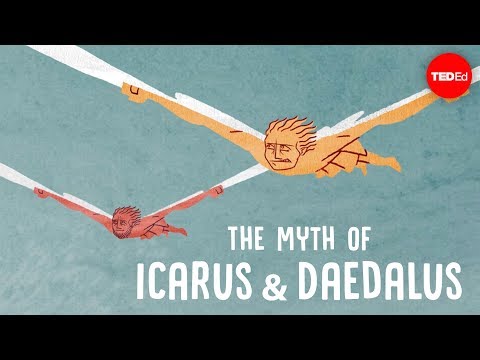
Trapped in Crete by King Minos, Daedalus devises a plan to escape. He constructs two pairs of wings made from feathers and wax, instructing Icarus to fly alongside him. Daedalus cautions Icarus not to fly too close to the sun or too low to the sea, warning that both extremes would lead to disaster.
C. The flight and the subsequent fall
Despite his father’s warnings, Icarus becomes overconfident and flies higher, drawn by the allure of the sun. The heat melts the wax in his wings, leading to his tragic fall into the sea. This pivotal moment underscores the themes of ambition and the consequences of disregarding limitations.
III. The Concept of Hubris
Hubris is a central theme in Greek mythology, often defined as excessive pride or self-confidence that leads to one’s downfall. It is a significant moral lesson in the stories of many Greek heroes.
A. Definition and significance of hubris in Greek mythology
In Greek culture, hubris is seen as a transgression against the gods, often resulting in nemesis, or retribution. The Greeks believed that to overstep one’s boundaries was to invite disaster.
B. Icarus as a representation of hubris
Icarus epitomizes hubris through his disregard for his father’s warnings and his desire to defy natural limits. His flight becomes a metaphor for human ambition that exceeds reasonable boundaries.
C. Consequences of excessive pride and ambition
The tragic fate of Icarus serves as a stark reminder of the consequences that can arise from hubris. His ambition leads to his demise, illustrating the dangers of overreaching and the importance of humility.
IV. The Limits of Human Knowledge and Control
Daedalus, as a master inventor, symbolizes human ingenuity and the quest for knowledge. However, the story of Icarus also highlights the limitations of human control.
A. Daedalus as a symbol of human ingenuity and creativity
Daedalus represents the pinnacle of human creativity and intelligence, having engineered a means of escape from imprisonment. However, his ingenuity is juxtaposed with the fragility of that creativity when faced with nature’s forces.
B. Icarus’s disregard for limitations
Icarus’s failure to heed his father’s warnings reflects a common human trait: the tendency to underestimate risks and overestimate one’s capabilities. His desire to fly higher epitomizes the struggle against inherent limitations.
C. Philosophical reflections on the limits of knowledge
The myth raises essential questions about the limits of human knowledge and our understanding of the natural world. It suggests that there are boundaries that should not be crossed, and that the quest for knowledge must be tempered with caution and respect for those limits.
V. The Nature of Freedom and Choice
Icarus’s flight can be seen as a metaphor for freedom and the human desire to explore and transcend boundaries. However, this freedom comes with significant consequences.
A. Icarus’s desire for freedom and exploration
Icarus embodies the human spirit of exploration and the quest for freedom. His ambition to soar to new heights reflects a universal desire to break free from constraints and experience the world in new ways.
B. The paradox of freedom in the context of consequences
While Icarus’s flight represents freedom, it also illustrates the paradox that accompanies it: with great freedom comes great responsibility. The choices we make in the pursuit of our ambitions can lead to unforeseen consequences.
C. Ethical implications of choice in the pursuit of ambition
The ethical implications of Icarus’s choices raise questions about the nature of ambition. To what extent should one pursue their dreams? How do we balance ambition with moral and ethical considerations? These questions are central to understanding the consequences of our choices.
VI. The Role of Fate and Divine Intervention
The interplay of fate and free will is a recurring theme in Greek mythology, and the story of Icarus is no exception.
A. The concept of fate in Greek philosophy
In Greek thought, fate is often viewed as an unavoidable force that governs human lives. Characters in myths frequently grapple with their destinies, raising questions about the extent of their agency.
B. The implications of divine will in Icarus’s story
The role of the gods in Icarus’s fate can be interpreted in various ways. Some may argue that his downfall was a result of divine retribution for his hubris, while others may see it as a natural consequence of his choices.
C. Discussion on determinism vs. free will
The tension between determinism and free will is evident in Icarus’s story. While he possesses the freedom to choose his actions, the consequences of those actions seem predestined. This raises profound philosophical questions about the nature of human agency.
VII. Lessons from Icarus in Contemporary Context
The myth of Icarus continues to resonate in contemporary society, offering lessons that are relevant to modern life.
A. Modern interpretations of the myth
In modern contexts, Icarus’s story can be seen as a metaphor for the risks associated with technological advancements and the pursuit of unattainable goals. It serves as a reminder to evaluate the ethical implications of our ambitions.
B. Relevance of Icarus’s story in today’s society
Today’s society often glorifies ambition and success, sometimes at the expense of caution. The tale of Icarus encourages a more balanced approach, urging individuals to consider the potential consequences of their aspirations.
C. Philosophical takeaways for personal and societal ambition
As we navigate our ambitions, the Icarus myth prompts us to reflect on the following:
- The importance of humility in the face of ambition.
- The need to recognize and respect our limitations.
- The ethical implications of our choices and their impact on ourselves and others.
VIII. Conclusion
In exploring the philosophical dimensions of the myth of Icarus, we uncover profound lessons about ambition, hubris, freedom, and the limits of human knowledge. The story serves as a timeless reminder of the delicate balance between striving for greatness and recognizing our limitations.
The enduring significance of the Icarus myth invites continuous philosophical inquiry into the nature of human ambition and the consequences of our choices. As we reflect on Icarus’s flight,