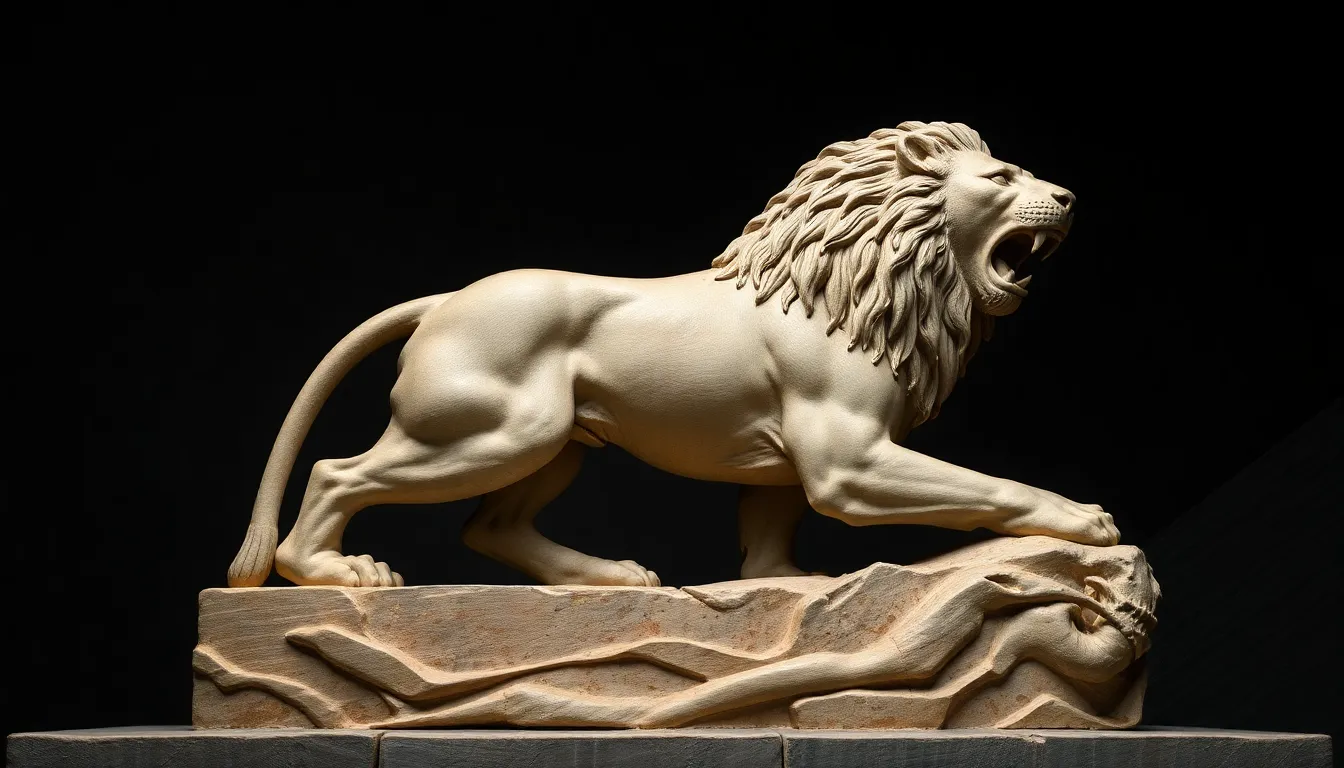
The Philosophical Implications of the Myth of the Nemean Lion
I. Introduction
The myth of the Nemean Lion is one of the most enduring tales in Greek mythology, symbolizing the struggle between man and beast, and the triumph of human perseverance over seemingly insurmountable odds. As the first of the Twelve Labors of Heracles, the Nemean Lion represents a formidable challenge that Heracles must overcome, setting the stage for a deeper exploration of heroism, moral philosophy, and the nature of human existence. This article aims to delve into the philosophical implications of this myth, examining the lessons it imparts about courage, resilience, and the human condition.
II. Historical Context of the Myth
A. Origins in Greek mythology
The Nemean Lion is a creature from Greek mythology, often depicted as an enormous lion with impenetrable skin. Its origins are tied to the region of Nemea, where it terrorized the local population, devouring livestock and humans alike. The lion was said to be the offspring of Typhon and Echidna, two of the most fearsome monsters in Greek lore. This myth not only serves as a thrilling story but also embodies the cultural fears and values of ancient Greek society.

B. The significance of the Nemean Lion in the Twelve Labors of Heracles
In the context of the Twelve Labors, the Nemean Lion represents the first major obstacle Heracles faces after being sentenced to perform these labors as penance. The significance of this labor lies not only in the physical confrontation with the lion but also in the symbolic journey of Heracles as he transitions from a state of guilt and shame to one of redemption and strength. Defeating the lion is a crucial step in this transformative process.
III. The Nature of the Beast: Symbolism and Meaning
A. The Nemean Lion as a representation of insurmountable challenges
The Nemean Lion symbolizes challenges that appear insurmountable. Its invulnerability represents the obstacles in life that seem impossible to overcome. In philosophical terms, the lion can be seen as a metaphor for the struggles that every individual faces, whether they are internal demons, societal pressures, or existential dilemmas. These challenges require not just physical strength, but also mental fortitude and strategic thinking.
B. The duality of nature: Fearsome predator vs. a symbol of strength
The Nemean Lion embodies a duality—while it is a fearsome predator, it also represents strength and resilience. This duality invites reflection on the nature of strength itself. Is true strength the ability to overpower others, or is it the capacity to face one’s fears and adversities? The lion’s defeat by Heracles ultimately transforms it into a symbol of courage, as Heracles wears its skin as a cloak, signifying that he has not only conquered the beast but has also embraced the qualities that the lion represents.
IV. Heracles and the Human Condition
A. Heracles as a reflection of human struggle
Heracles, often viewed as the archetypal hero, embodies the human struggle against overwhelming odds. His journey reflects the universal experience of facing challenges that test one’s limits. The narrative of Heracles and the Nemean Lion serves as a reminder that every individual must confront their own challenges, much like Heracles faced his. This struggle is inherent to the human condition, making Heracles a relatable figure across generations.
B. The theme of perseverance in the face of adversity
Perseverance is a central theme in the myth of the Nemean Lion. Heracles, despite the lion’s formidable strength, does not give in to despair. Instead, he devises a clever strategy to defeat the beast, showcasing the importance of resilience and ingenuity. This aspect of the myth emphasizes that true strength lies not just in physical prowess but also in mental agility and the will to persist despite challenges.
V. The Concept of Heroism
A. Redefining heroism through the lens of the Nemean Lion’s defeat
The defeat of the Nemean Lion invites a reexamination of what it means to be a hero. Traditionally, heroes are often seen as individuals with extraordinary abilities. However, Heracles’ victory is rooted in his determination and strategic mindset. This shift highlights that heroism is not solely defined by might but also by the courage to confront one’s fears and the resolve to overcome obstacles.
B. Ethical considerations: What does true heroism entail?
True heroism, as illustrated by Heracles’ encounter with the Nemean Lion, raises ethical questions about the nature of bravery and sacrifice. Is it enough to conquer a beast? Or does heroism require a deeper understanding of one’s actions and their impact on others? The myth suggests that true heroes not only face external challenges but also grapple with their internal moral compass, leading to a more profound sense of duty and responsibility.
VI. The Role of Myth in Moral Philosophy
A. How myths shape moral understanding and cultural values
Myths like that of the Nemean Lion play a crucial role in shaping moral understanding and cultural values. They provide frameworks through which individuals can navigate ethical dilemmas and societal norms. Through the trials of Heracles, audiences are encouraged to reflect on their own values, the nature of right and wrong, and the importance of resilience and courage in the face of adversity.
B. Lessons derived from the Nemean Lion narrative
- Confrontation with Fear: The necessity of facing fears head-on.
- Ingenuity Over Strength: The importance of strategy and wisdom over mere physical power.
- Redemption through Action: The potential for personal growth and redemption through facing challenges.
- Ethical Responsibility: Understanding the moral implications of one’s actions in the pursuit of heroism.
VII. Existential Reflections: Life’s Challenges
A. The Nemean Lion as a metaphor for existential struggles
The Nemean Lion serves as a powerful metaphor for the existential struggles that individuals face in modern life. Just as Heracles confronted the lion, people today encounter various “lions” in their lives—be it personal crises, mental health challenges, or societal pressures. These struggles often feel overwhelming, yet they also present opportunities for growth and self-discovery.
B. Confronting one’s own ‘lions’ in contemporary life
In contemporary society, the concept of confronting one’s own ‘lions’ encourages individuals to engage with their challenges actively. This can involve seeking help, developing resilience, and adopting a proactive approach to life’s difficulties. By recognizing that everyone has their own battles to fight, individuals can foster a sense of solidarity and shared experience, echoing the themes present in the myth of the Nemean Lion.
VIII. Conclusion
The myth of the Nemean Lion offers profound philosophical insights that resonate across time and culture. Through the lens of Heracles’ struggle, we explore themes of heroism, perseverance, and the moral complexities of overcoming challenges. As we reflect on the lessons derived from this narrative, we are reminded of the enduring relevance of these themes in our contemporary lives. The Nemean Lion serves not only as a symbol of the challenges we face but also as a testament to the strength of the human spirit in the face of adversity.