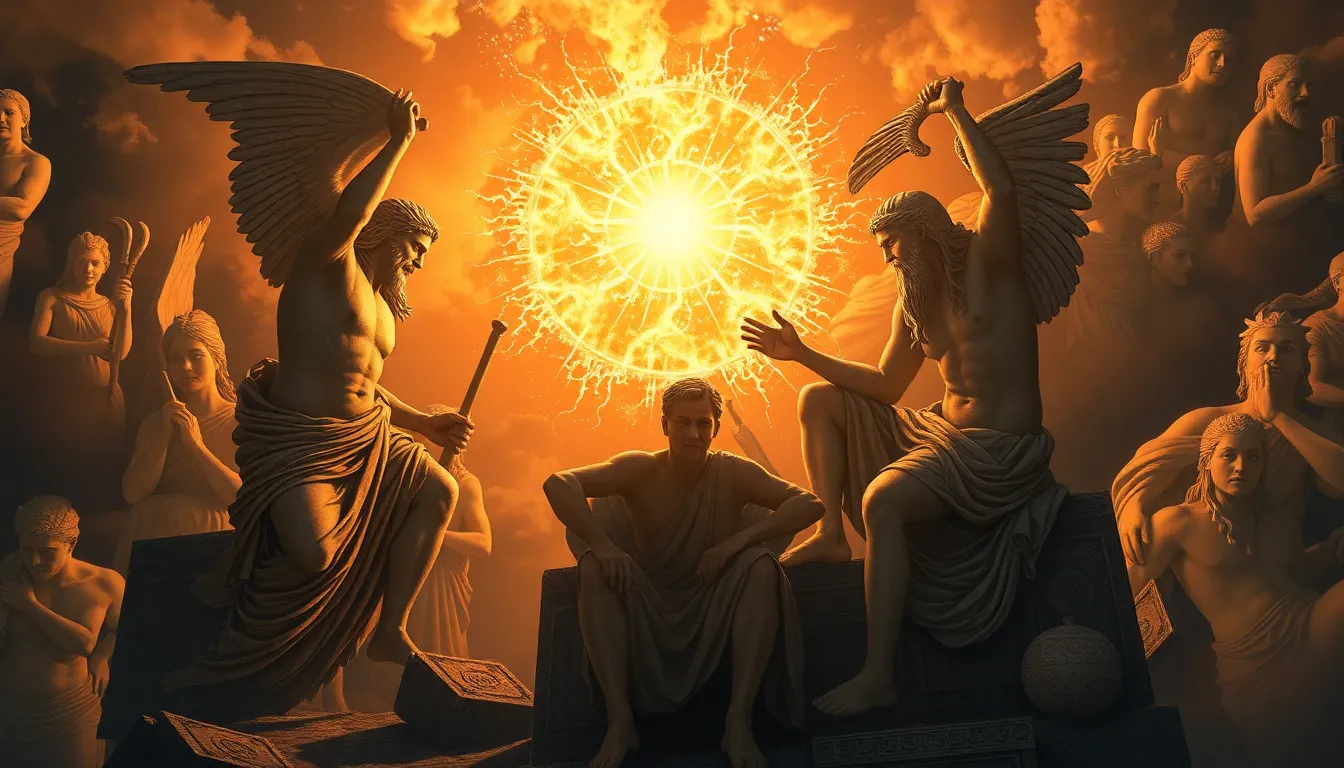
The Price of Disrespect: Divine Punishments That Changed Lives
I. Introduction
Disrespect can be defined as a lack of respect or courtesy towards others, manifesting in various forms such as contempt, disdain, or insolence. This concept varies across cultural contexts, with different societies placing different weights on the importance of showing respect. In many traditions, including those influenced by religious beliefs, disrespect is not merely a social faux pas but can invoke divine punishment.
Divine punishment refers to the retribution that is believed to be inflicted by a higher power in response to human actions, particularly those deemed immoral or disrespectful. Throughout history, stories of divine retribution have served to reinforce cultural norms and moral teachings, illustrating the severe consequences of disrespecting the divine order.
This article aims to explore significant instances of divine retribution across various cultures, particularly focusing on the narratives found in mythology and religious texts. We will delve into case studies that highlight the consequences of disrespect and the lessons learned from these divine punishments.
II. Historical Perspectives on Disrespect and Divine Punishment
Throughout history, civilizations have harbored beliefs in divine retribution, with many cultures documenting the consequences of disrespecting deities or moral laws. Ancient societies such as the Greeks, Romans, and Norse, along with the teachings found in major religious texts, have provided rich narratives illustrating this theme.
A. Ancient civilizations and their beliefs in divine retribution
In ancient Greece, the concept of hubris—excessive pride or self-confidence—was often punished by the gods. The Greeks believed that a mortal’s failure to acknowledge their place in the divine order would lead to catastrophic consequences.
The Roman Empire also shared similar beliefs, where the favor of the gods was considered essential for the prosperity of the state. Disrespecting the gods or the established social order could lead to divine wrath, manifesting in natural disasters, military defeats, or societal collapse.

B. Case studies from mythology (e.g., Greek, Roman, Norse)
- Greek Mythology: The tale of Niobe, who boasted about her children, led to her being punished by the goddess Leto, resulting in the death of all her children.
- Roman Mythology: The story of King Tarquin, who disrespected the sacred temple of Jupiter, leading to his downfall and the end of the monarchy.
- Norse Mythology: Loki’s disrespect towards the gods resulted in severe consequences, including his eventual imprisonment and punishment by the gods.
C. Influence of religious texts (e.g., the Bible, Quran) on perceptions of punishment
Religious texts also play a crucial role in shaping the understanding of divine punishment. For example, the Bible contains numerous instances where disrespect towards God or moral decay leads to divine retribution, such as the Great Flood and the destruction of cities like Sodom and Gomorrah. Similarly, the Quran speaks of the consequences faced by communities that turn away from God’s guidance, emphasizing the importance of maintaining respect and humility before the divine.
III. Case Study 1: The Fall of Sodom and Gomorrah
A. Background of the cities and their behaviors
Sodom and Gomorrah were cities infamous for their wickedness and immorality, often characterized by rampant disrespect for divine laws and a general disregard for human decency. The stories highlight behaviors such as violence, sexual immorality, and a lack of hospitality.
B. The divine punishment and its implications
The divine punishment of these cities was marked by their complete destruction through fire and brimstone, as narrated in the Book of Genesis. This event served as a powerful warning against the consequences of collective disrespect towards God’s commandments.
C. Lasting impact on moral teachings and societal norms
The destruction of Sodom and Gomorrah has continued to resonate through the ages, reinforcing moral teachings across cultures about the importance of righteousness and the dangers of disrespecting divine law. It serves as a cautionary tale for societies about the potential consequences of moral decay and a lack of accountability.
IV. Case Study 2: The Plagues of Egypt
A. Context of the Israelites’ oppression and Pharaoh’s defiance
The story of the Plagues of Egypt illustrates the consequences of a ruler’s disrespect towards God and the suffering of an oppressed people. Pharaoh’s refusal to heed Moses’ warnings and his continued oppression of the Israelites symbolized a blatant disregard for the divine.
B. Description of the plagues as divine retribution
The ten plagues that befell Egypt—from turning the Nile into blood to the death of the firstborn—were not only catastrophic events but also a form of divine retribution for Pharaoh’s disrespect. Each plague served to demonstrate the power of the Hebrew God and the futility of resisting divine will.
C. Effects on Egyptian society and Jewish identity
The plagues had profound effects on Egyptian society, leading to widespread fear and chaos, and ultimately culminating in the Exodus of the Israelites. This event significantly shaped Jewish identity and religious beliefs, reinforcing themes of liberation, divine justice, and the importance of respecting God’s authority.
V. Case Study 3: The Story of King Nebuchadnezzar
A. Overview of Nebuchadnezzar’s pride and disrespect
King Nebuchadnezzar II of Babylon is a prime example of how pride and disrespect towards God can lead to dire consequences. His arrogance was exemplified when he erected a massive statue of himself, demanding worship from his subjects.
B. The divine punishment of madness
As a punishment for his hubris, Nebuchadnezzar was driven to madness, living like a wild animal for seven years. This punishment was a direct response to his failure to acknowledge God’s sovereignty and a lesson in humility.
C. Transformation and lessons learned from his experience
Eventually, Nebuchadnezzar’s sanity was restored, and he recognized the power of God, leading to a profound transformation in his character. His story illustrates the potential for redemption and the importance of humility, serving as a reminder that even the most powerful can fall from grace.
VI. Modern Interpretations of Disrespect and Consequences
A. Contemporary examples of perceived divine punishment
In modern times, individuals and communities often interpret adverse events as forms of divine punishment for disrespectful or immoral behavior. Natural disasters, economic downturns, and social unrest are sometimes viewed through this lens, prompting discussions about accountability and moral responsibility.
B. Spiritual and psychological implications for individuals and communities
The perception of divine punishment can have significant spiritual and psychological effects. It may lead to feelings of guilt, fear, or anxiety over one’s actions. Conversely, it can also prompt individuals and communities to seek reconciliation, repentance, and a return to a path of righteousness.
C. The role of accountability in modern society
The concept of accountability remains vital in contemporary discussions about morality and ethics. Many argue that a lack of respect for ethical standards can lead to societal decay, emphasizing the need for social structures that promote respect, justice, and accountability.
VII. The Role of Forgiveness and Redemption
A. Importance of repentance in religious teachings
Many religious traditions stress the importance of repentance as a means of seeking forgiveness for past disrespectful actions. The act of acknowledging wrongdoing and turning away from sinful behavior is foundational to many faiths, highlighting a pathway to redemption.
B. Stories of individuals who found redemption after disrespect
- Saint Paul: Once a persecutor of Christians, he underwent a transformative experience and became one of the most influential apostles in Christianity.
- King Manasseh: After a life of idolatry and disrespect, he repented and sought to restore worship to God, showcasing the power of redemption.
C. The balance between punishment and mercy in divine justice
The dynamic between punishment and mercy is a recurring theme in religious narratives. Many traditions emphasize that while divine punishment serves to correct and discipline, mercy and forgiveness are equally important aspects of divine justice, allowing for transformation and renewal.
VIII. Conclusion
Throughout history, the transformative power of divine punishments has been illustrated in numerous narratives, serving as cautionary tales that underscore the importance of respect and humility. These stories remind us that the consequences of disrespect can lead to profound changes in individuals and societies alike.
As we reflect on these