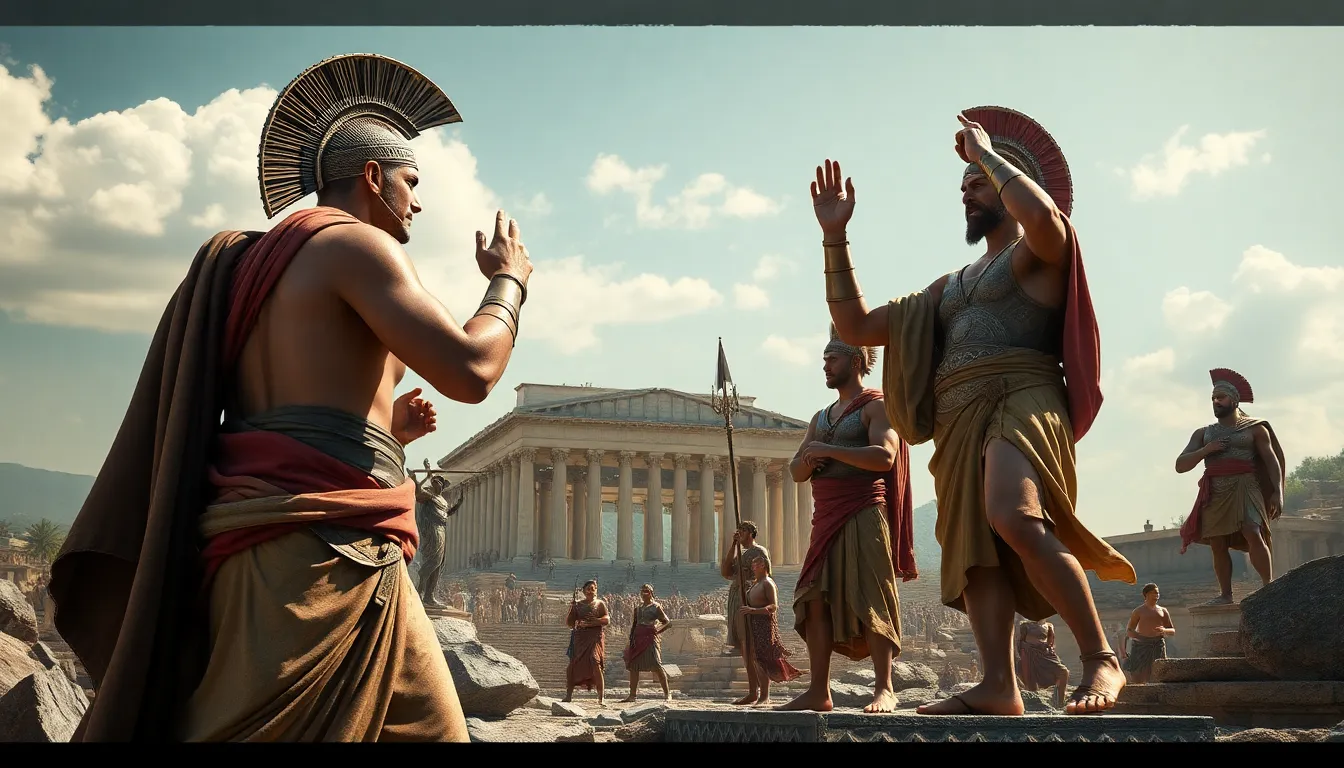
The Rise of Heroes: Athens’ Greatest Champions Revealed
I. Introduction
Athens, known as the cradle of Western civilization, has long been celebrated as a historical center of heroism and valor. The city-state, with its rich tapestry of mythological and historical narratives, has produced some of the most iconic figures in Greek mythology. These champions not only embodied the Athenian spirit but also influenced the culture, politics, and identity of the city.
The significance of heroes in Athenian culture cannot be overstated. They served as paragons of virtue, bravery, and moral integrity, inspiring generations and shaping societal values. This article aims to explore the most notable champions of Athens, delving into both their legendary exploits and their historical contributions to the city-state.
II. The Concept of Heroism in Ancient Athens
In ancient Greek society, the concept of a hero was deeply intertwined with notions of honor, sacrifice, and excellence. A hero, or ‘heros’, was often depicted as a figure of extraordinary strength and courage, possessing divine lineage or favor. They were celebrated not only for their physical prowess but also for their moral virtues.
Heroes played a crucial role in Athenian identity and pride. They were seen as protectors of the city, exemplifying the ideals of bravery and resilience in the face of adversity. Moreover, Athenian heroism was not limited to mythological figures; it also encompassed historical leaders who contributed to the city’s greatness.
It is important to distinguish between mythological and historical heroes in Athens. While mythological heroes were often larger-than-life figures connected to divine ancestry and epic tales, historical heroes were real individuals whose actions shaped the course of Athenian history.
III. Legendary Heroes of Athenian Mythology
Among the most celebrated mythical figures in Athenian lore are:
- Theseus: Often regarded as the founder hero of Athens, Theseus is renowned for his intelligence and strength. He is best known for slaying the Minotaur, a monstrous creature that dwelled in the labyrinth of Crete. His adventures symbolize the triumph of civilization over chaos.
- Heracles: Although Heracles is a hero associated with many Greek city-states, his ties to Athens are significant. Known as Hercules in Roman mythology, he is famed for his twelve labors, showcasing his extraordinary strength and resilience. His legacy influenced Athenian values of endurance and heroism.
The importance of mythological heroes in shaping Athenian values is evident in the way their stories were woven into the cultural and educational fabric of the city. They served as moral exemplars, teaching lessons of bravery, cleverness, and the importance of civic duty.

IV. Historical Figures: The Real Champions of Athens
In addition to mythological heroes, Athens was home to several historical figures whose actions exemplified heroism and contributed greatly to the city-state’s legacy:
- Miltiades: The hero of the Battle of Marathon, Miltiades played a pivotal role in defending Athens against the Persian invasion in 490 BCE. His strategic brilliance and leadership not only secured victory but also laid the groundwork for the development of Athenian democracy.
- Themistocles: As a naval strategist, Themistocles advocated for the expansion of the Athenian navy, which proved crucial in the Battle of Salamis. His vision and tactical genius solidified Athens’ power, enabling it to emerge as a dominant force in the Mediterranean.
- Pericles: Serving as a statesman during Athens’ Golden Age, Pericles embodied Athenian greatness. He championed democracy, oversaw the construction of the Parthenon, and promoted the arts and philosophy, shaping the cultural landscape of the city.
These historical figures not only demonstrated bravery in battle but also exemplified the values of leadership, innovation, and civic responsibility, further entrenching the concept of heroism in Athenian society.
V. The Role of Women in Athenian Heroism
While much of Athenian heroism is depicted through male figures, women also played significant roles in both mythology and history:
- Aspasia: A prominent figure in Athenian society, Aspasia was known for her intelligence and influence. As the partner of Pericles, she contributed to the cultural and philosophical discourse of the time, challenging the traditional roles assigned to women.
- Antigone: A character in Sophocles’ tragedy, Antigone embodies the female hero archetype. Her defiance of King Creon’s edict to honor her brother demonstrates moral conviction and bravery, emphasizing the role of women in championing justice.
The impact of these women on Athenian society was profound, illustrating that heroism transcended gender. Their stories challenge the conventional narratives and highlight the diverse contributions of women in shaping Athenian culture.
VI. The Legacy of Athenian Heroes in Art and Literature
The legacy of Athenian heroes is vividly captured in the art and literature of the time. Their representations can be seen in various forms:
- Art and Sculpture: Athenian artists often depicted heroes in sculptures and pottery, celebrating their exploits and virtues. These works served not only as artistic expressions but also as reminders of the ideals of heroism that Athenians aspired to.
- Literature and Drama: Playwrights like Aeschylus, Sophocles, and Euripides immortalized Athenian champions in their works. Tragedies and comedies explored themes of heroism, destiny, and moral dilemmas, allowing audiences to reflect on the nature of courage and sacrifice.
The enduring influence of Athenian heroes in Western culture is evident, as their stories continue to resonate with contemporary audiences, inspiring new generations to explore the themes of heroism and moral courage.
VII. The Modern Interpretation of Athenian Heroes
In contemporary society, the view of Athenian heroism has evolved. Modern interpretations often focus on the following aspects:
- Leadership and Ethics: Athenian champions are frequently referenced in discussions about ethical leadership and civic responsibility. Their stories serve as reminders of the importance of integrity, vision, and a commitment to the common good.
- Relevance in Modern Challenges: The lessons drawn from Athenian heroes can be applied to contemporary issues. Their examples of resilience, innovation, and bravery inspire individuals and communities to confront modern challenges with courage and determination.
By examining the lives and legacies of these heroes, we can glean insights into the qualities that define true leadership and heroism in today’s world.
VIII. Conclusion
In conclusion, the heroes of Athens, both mythological and historical, have played a crucial role in shaping the history and culture of the city-state. Their tales of bravery, sacrifice, and moral integrity continue to inspire and resonate with us today.
The enduring legacy of these champions serves as a reminder of the ideals of heroism that can guide us in our own lives. As we reflect on their stories, we are encouraged to embrace the values of courage, resilience, and civic duty, embodying the spirit of Athenian heroism in our modern context.
We invite readers to explore these ideals further and consider how they can apply the lessons learned from Athens’ greatest champions in their own journeys.