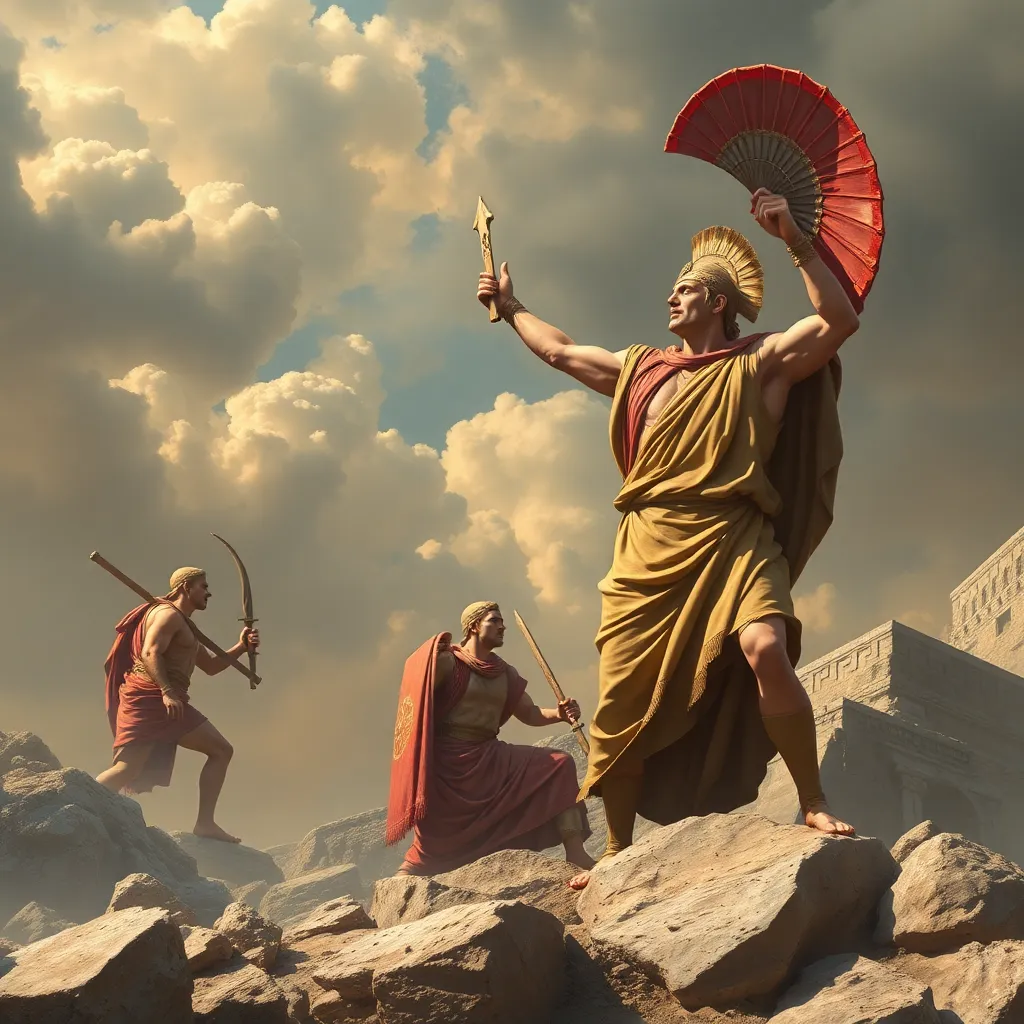
The Role of Fate in the Lives of Greek Heroes
Introduction: Understanding Fate in Greek Mythology
Fate, known as “moira” in ancient Greek, refers to the concept of a predetermined course of events that is beyond human control. It plays a vital role in Greek mythology, influencing the lives of both gods and mortals. The significance of fate in ancient Greek culture is profound, as it is often seen as an inevitable force that governs the universe.
In the context of Greek mythology, fate is intricately linked with the idea of free will. While individuals may have the ability to make choices, their ultimate destinies are often predetermined by the Fates. This interplay between fate and free will creates a complex narrative that is central to many Greek myths.
The Moirai: The Fates of Greek Mythology
The Moirai, or the Fates, are three powerful deities responsible for determining the destinies of individuals. They are:
- Clotho: The spinner of the thread of life, she weaves the destinies of individuals from the moment of their birth.
- Lachesis: The allotter, she measures the length of each person’s life, determining how long they will live.
- Atropos: The unyielding one, she cuts the thread of life, signifying death.
Together, the Moirai embody the inescapable nature of fate, reminding both heroes and mortals that their lives are subject to a higher order.
Fate vs. Free Will: A Central Conflict for Greek Heroes
The tension between predetermined fate and personal choices is a central conflict for many Greek heroes. While they often strive to exert their will and achieve greatness, they frequently find themselves constrained by the dictates of fate. This conflict raises profound questions about the nature of human existence and the extent of free will.
Some notable heroes who grapple with this dilemma include:
- Achilles: Torn between a life of glory and a long, uneventful existence, Achilles’ choices ultimately lead him to fulfill his tragic fate.
- Oedipus: His attempts to escape his prophesied fate only bring about its fulfillment.
- Heracles: Despite his strength and heroic deeds, he is often subject to the whims of fate and the gods.
Case Study: Oedipus and the Inescapable Prophecy
The story of Oedipus, one of the most famous tragedies in Greek mythology, highlights the inescapable nature of fate. Oedipus, the son of Laius and Jocasta, is destined to kill his father and marry his mother. When a prophecy reveals this fate, Oedipus attempts to evade it by leaving Corinth, believing that he can escape his destiny.
However, his journey leads him directly to Thebes, where he unwittingly fulfills the prophecy by killing Laius in a confrontation. His subsequent marriage to Jocasta, his biological mother, culminates in a tragic revelation that leads to his self-inflicted blindness and exile.
This narrative illustrates how fate shapes Oedipus’s character and decisions, emphasizing the futility of trying to escape one’s destiny. The more he struggles against fate, the more he unwittingly moves toward it.
Fate in the Iliad: Heroes and Their Destinies
The epic poem “The Iliad” is rich with themes of fate and destiny, particularly during the Trojan War. Key characters such as Achilles and Hector are profoundly influenced by their fates:
- Achilles: The greatest Greek warrior, Achilles is faced with a choice between a long life in obscurity or a short life filled with glory. His decision to embrace his fate leads to his legendary status, but also to his early demise.
- Hector: As the Trojan prince, Hector fights bravely to defend his city, yet he is ultimately fated to die at the hands of Achilles. His struggle against fate reflects the tragic nature of heroism in the face of inevitable loss.
The inevitability of fate in “The Iliad” serves to highlight the heroes’ valor, but also their vulnerability, as they are constantly aware of the specter of destiny looming over them.
The Role of the Gods in Shaping Fate
In Greek mythology, the gods play a significant role in shaping human fate. They possess the power to intervene in mortal lives, often manipulating events to serve their own interests. This divine influence complicates the relationship between fate and free will.
Examples of gods manipulating fate include:
- Zeus: As the king of the gods, he often dictates the fates of both mortals and other deities, intervening in battles and personal affairs.
- Athena: She frequently aids heroes like Odysseus, guiding their actions while still allowing them to make choices.
- Fate as a divine concept: The Fates themselves are often considered to be beyond even the gods, suggesting a hierarchy where fate is the ultimate force in the universe.
Lessons Learned: The Philosophical Implications of Fate in Greek Tragedy
Greek tragedies provide profound insights into human existence, morality, and the acceptance of fate. They reflect societal beliefs about destiny and the human condition, often portraying characters who must confront their fates with dignity or despair.
Key philosophical implications include:
- Acceptance of Fate: Many tragedies emphasize the importance of accepting fate, suggesting that resistance is futile and can lead to greater suffering.
- Moral Responsibility: Even within the confines of fate, characters are often held accountable for their choices, raising questions about moral responsibility.
- Human Suffering: The inevitability of fate often leads to suffering, prompting reflections on the nature of pain and the human experience.
Conclusion: The Enduring Legacy of Fate in Greek Heroic Narratives
The exploration of fate in Greek mythology reveals a rich tapestry of narratives where heroes grapple with the tension between destiny and free will. From the Moirai’s control over life and death to the tragic tales of Oedipus and Achilles, the theme of fate permeates Greek heroic narratives.
As we reflect on these stories, it becomes clear that the concept of fate continues to resonate in modern storytelling and culture. Whether in literature, film, or art, the struggle against fate remains a compelling theme that speaks to the human experience, reminding us of our limitations and the mysteries of existence.