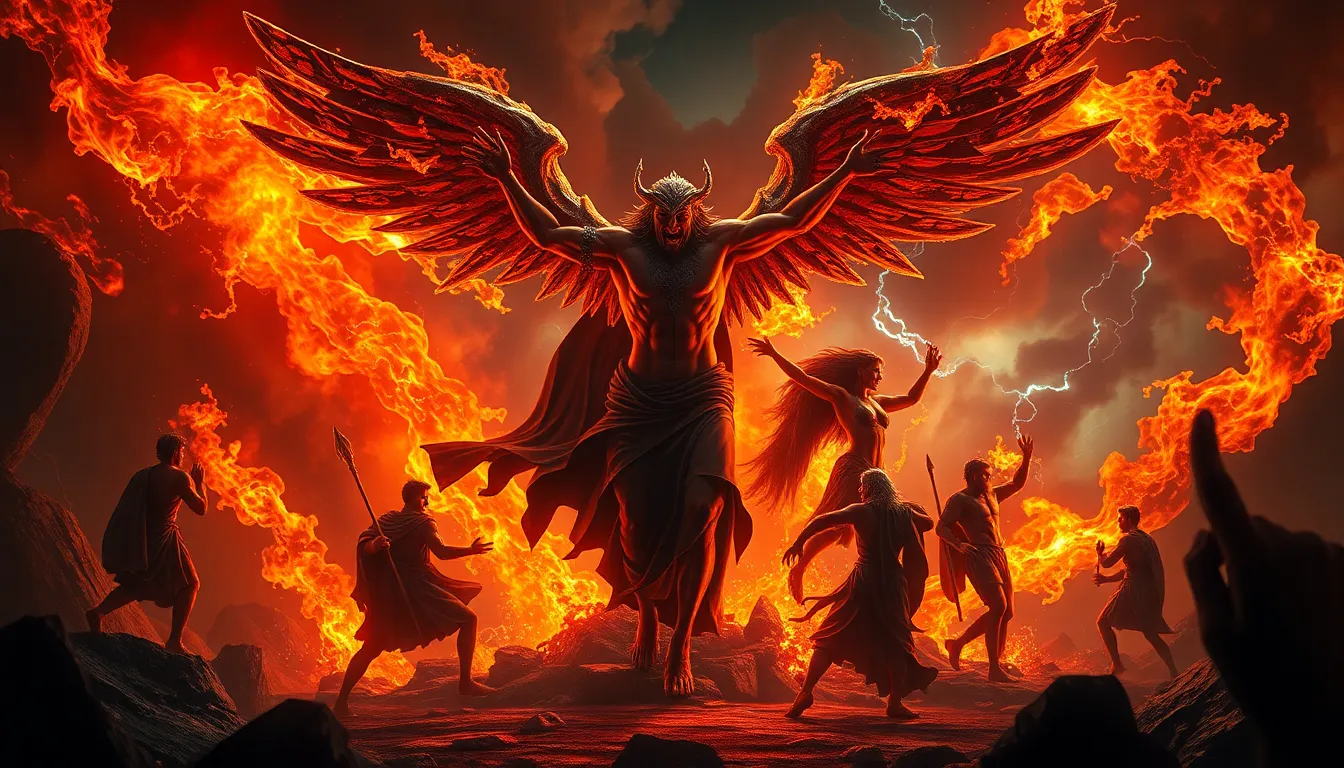
The Titanomachy: A Tale of Power, Betrayal, and Redemption
I. Introduction
The Titanomachy, a monumental conflict in Greek mythology, represents the epic battle between the Titans, the elder gods, and the Olympians, the younger generation of gods led by Zeus. This critical event not only shaped the divine hierarchy but also underscored essential themes of power, betrayal, and redemption that resonate throughout Greek mythological narratives.
Understanding the Titanomachy is crucial for anyone interested in Greek mythology, as it sets the stage for the power dynamics among the gods and the eventual establishment of the Olympian order. The themes of struggle for power, the consequences of betrayal, and the possibility of redemption weave a rich tapestry that reflects human experiences and moral dilemmas.
II. The Background of Titans and Olympians
To grasp the significance of the Titanomachy, one must first explore the origins of the Titans and the rise of the Olympians.
A. Origins of the Titans
The Titans were the first generation of gods, born from Gaia (Earth) and Uranus (Sky). They represented various aspects of the natural world and cosmic order. The most notable Titans included:
- Cronus: The leader of the Titans, associated with time and harvest.
- Rhea: Cronus’s sister and wife, goddess of fertility and motherhood.
- Oceanus: The Titan of the ocean, embodying the vastness of waters.
- Tethys: Oceanus’s wife, associated with the nourishing flow of water.
- Hyperion: The Titan of light, representing the sun and celestial bodies.

B. Key Figures: Cronus, Rhea, and Other Titans
Cronus, fearing that he would be overthrown by his children, took drastic measures to maintain his power. He swallowed each of his offspring at birth, including Hestia, Demeter, Hera, Hades, and Poseidon. Rhea, desperate to save her youngest child, Zeus, devised a plan to protect him from Cronus’s wrath.
C. Emergence of the Olympians: Zeus, Hera, and Their Siblings
Zeus was hidden away on the island of Crete, where he was raised by nymphs. Once he reached maturity, he returned to challenge Cronus, leading to the rise of the Olympians and the eventual conflict known as the Titanomachy.
III. The Rise of Conflict
The Titanomachy was ignited by Cronus’s fears and the brewing tensions between the Titans and the emerging Olympians.
A. Cronus’s Fear of Being Overthrown
Cronus’s paranoia stemmed from a prophecy that foretold his downfall at the hands of one of his children. This fear drove him to commit heinous acts against his own progeny, creating an atmosphere of mistrust and conflict.
B. The Prophecy and Its Implications
The prophecy stated that one of Cronus’s children would dethrone him, leading to his drastic actions. This not only fueled his tyrannical reign but also sowed the seeds of rebellion among the gods.
C. The Initial Tensions Between Titans and Olympians
As Zeus and his siblings grew, the tension escalated. Rhea’s secret nurturing of Zeus became the catalyst for the conflict. With Zeus’s return, the stage was set for an epic confrontation between the Titans and the Olympians.
IV. The War of the Titans
The Titanomachy was a fierce and tumultuous war that lasted for ten years, characterized by intense battles and strategic maneuvers.
A. Description of the Battles
The battles were marked by chaos, destruction, and heroic feats. The Olympians, united under Zeus, fought valiantly against the formidable Titans, who were determined to retain their rule.
B. Key Strategies and Alliances
In the war, Zeus sought alliances with other powerful beings, including the Cyclopes and the Hecatoncheires. The Cyclopes forged weapons for the Olympians, including Zeus’s iconic thunderbolts, while the Hecatoncheires, with their hundred arms, provided overwhelming strength in battle.
C. Role of the Cyclopes and Hecatoncheires
The Cyclopes played a crucial role by crafting powerful weapons for the Olympians, while the Hecatoncheires, known for their immense size and strength, fought valiantly for Zeus, turning the tide of the battle in favor of the Olympians.
V. Themes of Betrayal
Betrayal is a recurring theme in the Titanomachy, influencing the actions and decisions of key figures involved in the conflict.
A. Cronus’s Betrayal of His Children
Cronus’s betrayal of his children is central to the narrative. By swallowing them, he not only defied the natural order but also severed familial bonds, creating a deep rift that would lead to his downfall.
B. The Shifting Loyalties Among Titans
As the war progressed, some Titans began to question their loyalties. Notably, the Titaness Themis and others sided with Zeus, illustrating how power dynamics shifted throughout the conflict.
C. The Significance of Betrayal in the Context of Power Dynamics
The theme of betrayal highlights the fragility of power and the moral complexities of leadership. It serves as a reminder that the pursuit of power can lead to destructive choices and inevitable consequences.
VI. Redemption and Restoration
Amidst the chaos of war, themes of redemption emerge, particularly through Zeus’s journey from rebellion to leadership.
A. Zeus’s Journey from Rebellion to Leadership
Zeus’s rebellion against Cronus transformed him from a hidden child to a powerful leader. His journey reflects a classic narrative of overcoming adversity and rising to greatness.
B. The Restoration of Order in the Cosmos
With the defeat of the Titans, Zeus and his siblings established a new order among the gods, restoring balance to the cosmos. This marked the beginning of the Olympian era, where Zeus became the king of the gods.
C. Comparisons to Other Mythological Redemption Arcs
Zeus’s journey mirrors other mythological redemption stories, where protagonists rise from obscurity or oppression to assume leadership, illustrating the universal theme of hope and renewal.
VII. Legacy of the Titanomachy
The impact of the Titanomachy resonates through later Greek myths and literature, shaping the narratives of gods and heroes that followed.
A. Influence on Later Greek Myths and Literature
The Titanomachy laid the groundwork for the stories of individual Olympians, their adventures, and the moral lessons inherent in their tales. It also influenced playwrights and poets who explored themes of power and conflict.
B. Symbolism of the Titanomachy in Modern Culture
The Titanomachy continues to symbolize the struggle for power and the complexities of familial relationships. Its themes are echoed in contemporary literature, film, and art, showcasing the timeless nature of these stories.
C. Lessons Learned About Power, Betrayal, and the Potential for Redemption
Ultimately, the Titanomachy teaches valuable lessons about the nature of power, the consequences of betrayal, and the possibility of redemption. It serves as a cautionary tale about the cyclical nature of conflict and the need for balance in leadership.
VIII. Conclusion
The Titanomachy is a foundational myth in Greek mythology, representing the struggle for power and the complexities of divine relationships. Its themes of betrayal and redemption resonate deeply, offering insights into human nature and the consequences of ambition.
As we explore the stories of the gods, we are reminded of their enduring relevance in understanding our own struggles for power and the potential for redemption. The Titanomachy invites us to delve deeper into the rich tapestry of Greek mythology, where every tale offers wisdom and reflection.
For those captivated by these narratives, further exploration of Greek mythology promises to unveil even more intricate tales of gods, heroes, and the timeless lessons they impart.