The Trials of Tantalus: A King’s Eternal Punishment
I. Introduction
In the vast tapestry of Greek mythology, the tale of Tantalus stands out as a poignant exploration of themes such as punishment, consequence, and the delicate balance between mortals and gods. Tantalus, a figure of both nobility and tragedy, embodies the complexities of desire and the severe repercussions that stem from defiance against divine law. His story serves as a cautionary tale about the dangers of hubris and the eternal consequences of one’s actions.
II. The Myth of Tantalus
A. Background on Tantalus: lineage and royal status
Tantalus was born into a prestigious lineage, being the son of Zeus and the nymph Plouto, making him a demi-god and a king of Lydia. He was celebrated for his wealth and status, often invited to dine with the gods on Mount Olympus. However, his privileged position did not shield him from the flaws that ultimately led to his downfall.
B. Key events leading to Tantalus’ downfall
- The infamous feast with the gods: Tantalus was granted the extraordinary honor of dining with the gods. However, during one of these feasts, he sought to test their omniscience.
- The crime of serving his son, Pelops: In a shocking act of betrayal, Tantalus killed his son Pelops and served him as a meal to the gods, hoping to deceive them. This heinous act was not only a profound violation of familial loyalty but also an affront to the divine.
III. The Punishment of Tantalus
A. Description of Tantalus’ eternal punishment in Tartarus
As a result of his grievous sins, Tantalus was condemned to suffer eternally in Tartarus, the deep abyss used as a dungeon of torment for the wicked. His punishment was uniquely cruel and fitting for his crimes.
B. Symbolism of hunger and thirst
- The fruit and water just out of reach: Tantalus stood in a pool of water beneath a tree laden with ripe, luscious fruit. Whenever he reached for the fruit, the branches would recede, and whenever he bent down to drink, the water would vanish, leaving him perpetually hungry and thirsty.
- Psychological implications of his torment: This endless cycle of desire and denial symbolizes the insatiable nature of human cravings. Tantalus’ punishment reflects not just physical suffering but also psychological torment, highlighting the anguish of unfulfilled desires.
IV. Themes of the Tantalus Myth
A. The consequences of hubris and betrayal
The myth of Tantalus underscores the dangers of hubris—excessive pride that leads one to challenge the gods. His betrayal of familial bonds and the divine order resulted in a punishment that was exquisitely tailored to his sins.
B. The relationship between gods and mortals
Tantalus’ story illustrates the fragile dynamics between the divine and the mortal. While Tantalus once enjoyed the favor of the gods, his actions severed that bond, serving as a reminder that mortals must respect the gods’ authority and wisdom.
C. The concept of divine justice in Greek mythology
The punishment of Tantalus aligns with the Greek belief in divine justice, where actions have consequences that extend beyond mortal life. His eternal suffering reflects the moral order that governs the universe, enforcing that no crime, especially one against the divine, goes unpunished.
V. Tantalus in Literature and Art
A. Representation of Tantalus in ancient texts
- Works of Homer and Hesiod: Tantalus is mentioned in various ancient texts, including the works of Homer. Hesiod also recounts his story, emphasizing the themes of punishment and retribution.
- Later interpretations in Roman literature: Roman authors like Ovid have also adapted Tantalus’ story, exploring the nuances of his myth and its implications for understanding desire and punishment.
B. Artistic depictions in painting and sculpture
Tantalus has been a subject of artistic interpretation throughout history. Artists have portrayed him in moments of despair, often emphasizing the stark contrast between his desires and his eternal torment. Notable works include classical sculptures and paintings that capture the essence of his punishment, serving as a visual reminder of his fate.
VI. Legacy of Tantalus in Modern Culture
A. The term “tantalize” and its origins
The word “tantalize” derives directly from Tantalus’ myth, encapsulating the idea of tormenting someone with something they desire but cannot attain. This term has permeated modern language, illustrating how his legacy endures.
B. References in contemporary literature and media
Tantalus’ story continues to resonate in contemporary literature and media, often referenced as a metaphor for unattainable goals. Writers and creators draw upon his myth to examine the human experience of desire, loss, and the pursuit of fulfillment.
C. Influence on philosophical discussions about desire and unattainable goals
The philosophical implications of Tantalus’ punishment invite discussions about the nature of desire and the human condition. His plight encourages reflections on the futility of certain pursuits and the inherent suffering that often accompanies unfulfilled longings.
VII. Comparative Analysis with Other Myths
A. Similarities with other figures punished by the gods (e.g., Sisyphus, Prometheus)
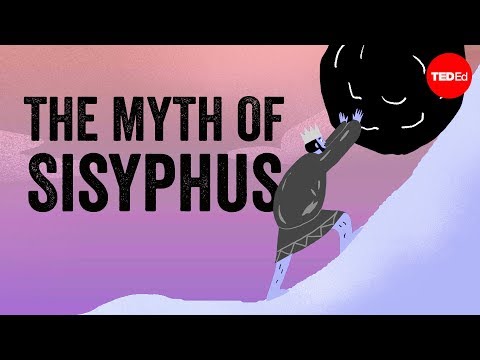
Tantalus shares similarities with other figures in Greek mythology who faced severe punishments, such as Sisyphus, condemned to roll a boulder up a hill only for it to roll back down, and Prometheus, who was punished for stealing fire from the gods. All three figures illustrate the themes of hubris, defiance, and the enduring consequences of challenging divine authority.
B. Differences in the nature and reasons for their punishments
While all three heroes endure eternal punishment, the reasons and nature of their torments differ. Tantalus’ punishment is rooted in betrayal and cannibalism, whereas Sisyphus embodies the struggle against the inevitable, and Prometheus represents the quest for knowledge and enlightenment. These nuances enrich the discourse on divine justice and human folly.
VIII. Conclusion
The story of Tantalus remains a powerful allegory within Greek mythology, illustrating profound moral lessons about pride, betrayal, and the human condition. His eternal punishment serves as a reminder of the consequences of one’s actions and the delicate equilibrium between mortals and the divine. As we reflect on Tantalus’ trials and tribulations, we are reminded of the timeless relevance of his story, urging us to consider the nature of our desires and the ethical implications of our choices.