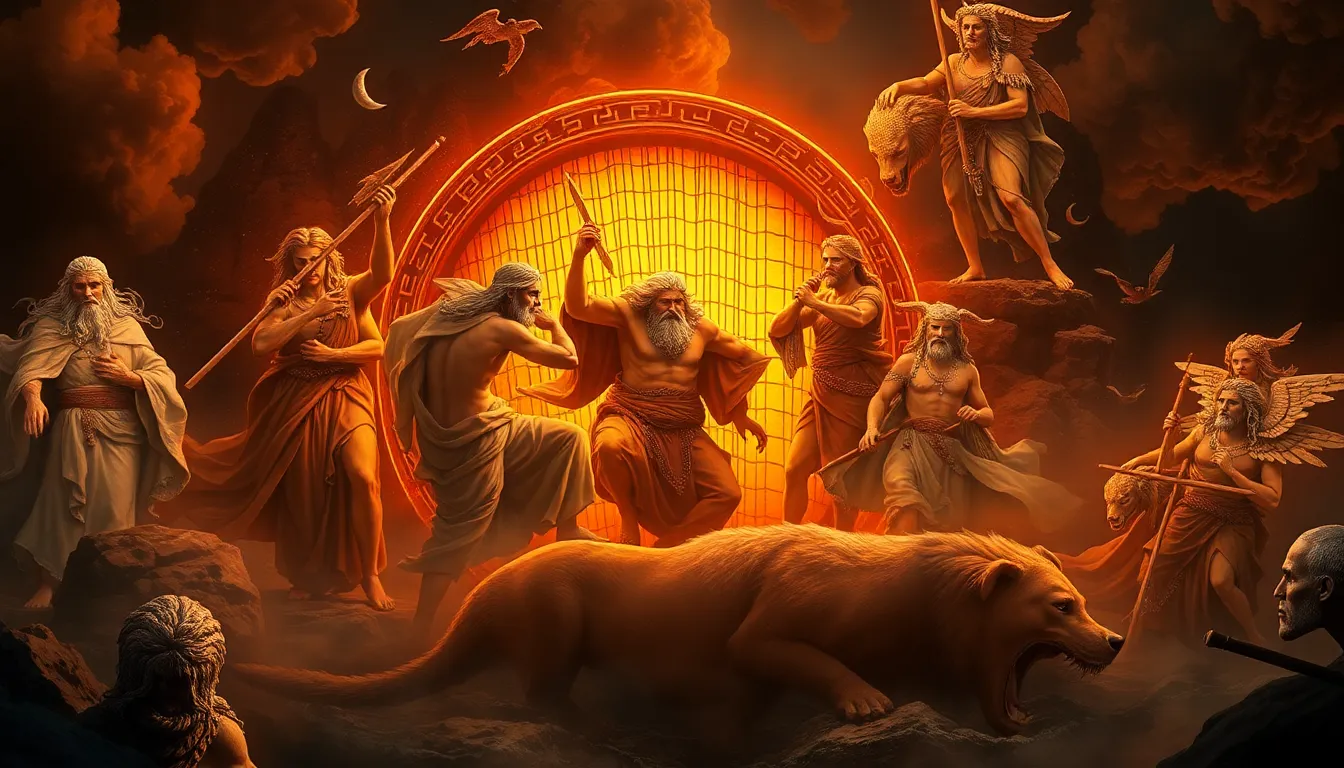
The Weaving of Fate: Analyzing the Metaphor in Greek Mythology
I. Introduction
Greek mythology is a rich tapestry of stories that have captivated audiences for millennia. These myths serve not only as entertainment but also as profound reflections on human nature, morality, and the cosmos. One of the most compelling themes in these narratives is the concept of fate, a force that governs the lives of gods and mortals alike.
This article aims to explore the metaphor of weaving as it relates to fate in Greek mythology. By examining how this metaphor is employed, we can gain deeper insights into the beliefs and values of ancient Greek society, as well as the philosophical implications that resonate to this day.
II. The Fates: Deities of Destiny
In Greek mythology, the Fates, known as the Moirai, are three powerful deities who control the destinies of both gods and humans. Their names are:
- Clotho: The spinner of the thread of life.
- Lachesis: The measurer, who determines the length of each thread.
- Atropos: The cutter, who decides when a person’s life thread shall be severed.
Each Fate plays a crucial role in weaving the overall tapestry of existence. Clotho initiates life, Lachesis allocates the time and experiences of that life, while Atropos ensures that every life has an endpoint. This triad symbolizes the interconnected nature of life, time, and mortality.
The symbolism of each Fate underscores their contributions to the human experience:
- Clotho represents potential and beginnings.
- Lachesis embodies the journey and the unfolding of experiences.
- Atropos signifies inevitability and mortality.
III. The Weaving Metaphor: Historical Context
The metaphor of weaving has deep roots in ancient Greek culture, drawing from the significance of textiles in daily life. Weaving was not merely a craft; it was an art form that represented creativity, skill, and the ability to shape one’s surroundings.
In ancient Greece, textiles were essential for clothing, shelter, and ritual. They held social and economic importance, highlighting the intersection of domesticity and artistry. Weaving, often associated with women, became a symbol of female creativity and power in mythology.
This connection between weaving and female agency is evident in various myths, where women wield their weaving skills to influence destiny or narrate their stories.
IV. Key Myths Involving Weaving and Fate
Several myths illustrate the relationship between weaving and fate, showcasing the consequences of human actions and the inescapable nature of destiny:
A. The Story of Arachne
Arachne, a talented mortal weaver, boasted that her skills surpassed those of Athena, the goddess of wisdom and warfare. In a contest, Arachne created a tapestry that depicted the gods’ misdeeds. Angered by her hubris, Athena transformed her into a spider, condemning her to weave for eternity. This myth highlights the dangers of challenging fate and the gods.
B. Penelope’s Weaving
In contrast, Penelope, the wife of Odysseus, used weaving as a symbol of loyalty and cleverness during her husband’s long absence. She promised to choose a suitor once she finished weaving a tapestry but unraveled it each night, thus delaying her decision. This act of weaving and unweaving represents her cunning and hope, embodying the complexities of love and fidelity.
C. Other Notable Myths
Numerous other myths emphasize the theme of weaving in relation to fate, including:
- The story of the Moirai themselves, weaving the fates of heroes and gods.
- The tale of Medea, who weaves her own narrative of vengeance and power.
- The myth of Cassandra, whose prophecies are woven into the fabric of fate, yet remain unacknowledged.
V. Philosophical Implications of Weaving Fate
The metaphor of weaving invites philosophical reflection on the nature of free will and determinism in Greek thought. While the Fates dictate the threads of existence, individuals navigate their paths within those constraints. This interplay raises questions about:
- The extent of human agency in shaping one’s destiny.
- The acceptance of fate as a guiding force in life.
- The realization that life is an intricate tapestry, where each thread is interconnected.
Weaving, therefore, becomes a metaphor for the complexity of life, highlighting how choices, experiences, and fate intertwine.
VI. The Weaving of Fate in Modern Interpretation
In contemporary literature and art, the metaphor of weaving continues to resonate. Modern storytellers often draw on this imagery to explore themes of fate, identity, and interconnectedness.
Recent adaptations of Greek myths have emphasized the weaving of fate, showcasing characters grappling with their destinies in a modern context. Examples include:
- Films that reinterpret the stories of the Fates and their influence on human lives.
- Novels that delve into the psychological aspects of fate and personal narrative.
- Art installations that visually represent the threads of fate as a metaphor for societal connections.
VII. The Psychological Perspective: Weaving as a Coping Mechanism
From a psychological standpoint, the metaphor of weaving can serve as a coping mechanism for individuals facing life’s uncertainties. By viewing their experiences as part of a larger tapestry, people may find meaning and coherence in their narratives.
This perspective allows individuals to:
- Construct their personal stories and understand their roles within them.
- Recognize the interwoven nature of experiences and relationships.
- Utilize the metaphor as a therapeutic tool for self-reflection and healing.
VIII. Conclusion
The weaving metaphor in Greek mythology serves as a powerful lens through which we can understand the concept of fate. It reveals the intricate connections between destiny, human agency, and the broader tapestry of life.
As we explore the narratives of fate in both ancient and modern contexts, we are reminded of the timeless relevance of these myths. They challenge us to reflect on our own lives, the threads we weave, and the destinies we forge.
In conclusion, further exploration of fate across various cultures can offer rich insights into the human experience and the universal quest for meaning.