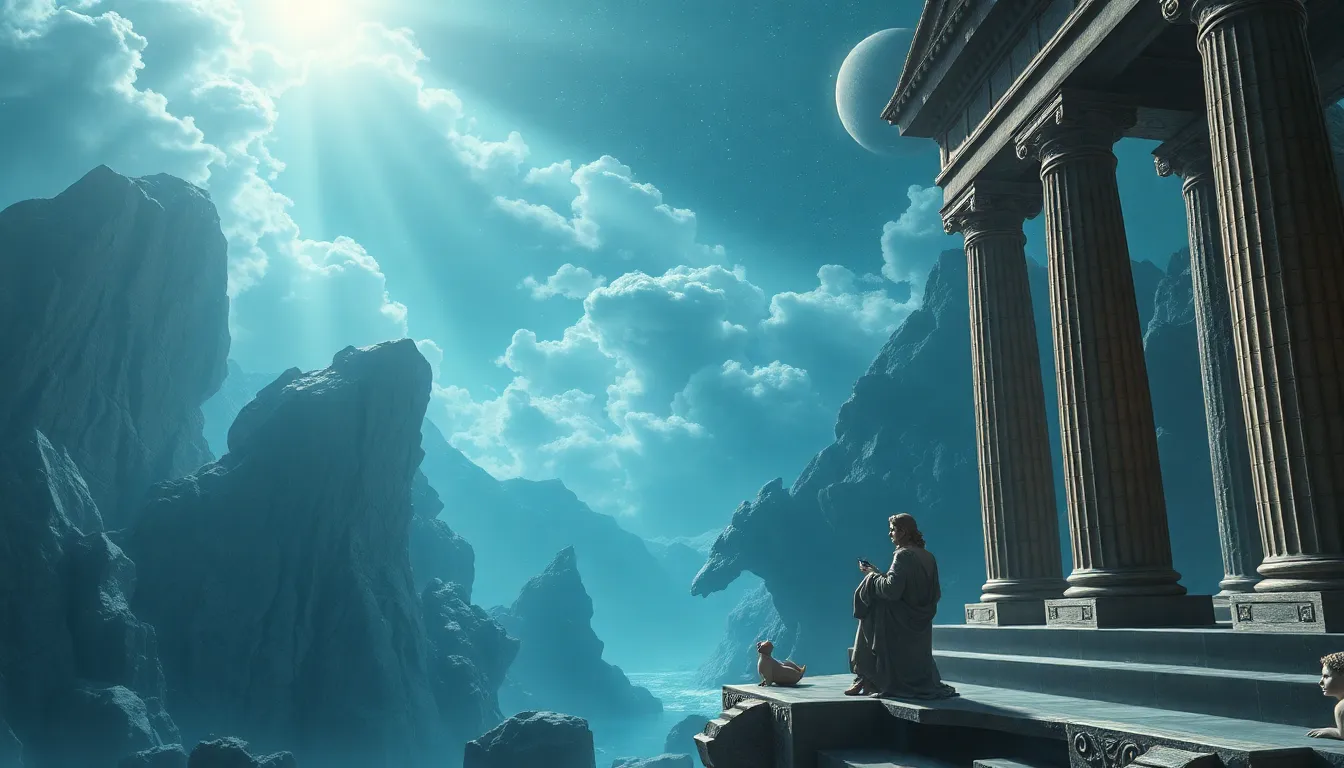
Unlocking Elysium: The Hidden Secrets of the Afterlife in Greek Mythology
I. Introduction to Elysium
Elysium, often referred to as the Elysian Fields, is a pivotal concept in Greek mythology, representing the ultimate paradise for the virtuous and heroic souls after death. It embodies the ancient Greeks’ ideal of a peaceful and blissful existence beyond the mortal realm, where heroes and the righteous enjoy eternal happiness.
The beliefs surrounding the afterlife in ancient Greece were complex and varied significantly across different regions and periods. While many cultures have a singular view of the afterlife, the Greeks envisioned a multifaceted realm where the fate of the soul depended on one’s actions during their earthly life. This article aims to delve into the hidden secrets of Elysium, exploring its significance, the criteria for entry, and its role in shaping Greek cultural values.
II. The Concept of the Afterlife in Greek Mythology
Greek mythology presents a rich tapestry of beliefs regarding the afterlife, primarily centered around the realm of Hades. Hades, named after the god who presides over the underworld, serves as the overarching domain for all souls after death, divided into three distinct areas:
- Elysium: A paradise reserved for the virtuous.
- Asphodel Meadows: A neutral zone for ordinary souls.
- Tartarus: A dark abyss reserved for the wicked and those who defied the gods.
Upon death, the soul embarks on a journey, guided by Charon, the ferryman of the dead, who transports souls across the River Styx to their respective destinations. This journey signifies the transition from life to the afterlife, highlighting the importance of proper burial rites and the remembrance of the deceased.
III. Elysium: The Paradise of the Heroes
Elysium is often depicted as a breathtakingly beautiful realm, filled with lush meadows, gentle breezes, and eternal sunshine. It is a place where souls can engage in their favorite activities, reliving their most cherished moments without the pains and sorrows of life.
https://www.youtube.com/watch?v=mEDX7tVTtgY
A. Description of Elysium’s idyllic environment
The landscape of Elysium is described as a serene paradise, where:
- Fields bloom with vibrant flowers.
- Clear rivers flow with refreshing waters.
- Sounds of laughter and music fill the air.
In this blissful setting, souls experience unending joy and tranquility, far removed from the struggles of earthly existence.
B. Who qualifies for Elysium? Criteria for entry
Not everyone gains entry to Elysium; only those who have led virtuous lives or performed heroic deeds are granted this honor. The criteria for entry include:
- Heroic accomplishments in life, often in battle or significant deeds.
- Moral integrity and righteousness.
- Being favored by the gods, particularly those like Zeus and Apollo.
C. Notable figures in Elysium: heroes, demigods, and philosophers
Many renowned figures from Greek mythology and history are said to reside in Elysium, including:
- Achilles: The greatest Greek warrior of the Trojan War.
- Hercules: The legendary hero known for his twelve labors.
- Persephone: The queen of the underworld, who spends part of her time with the souls in Elysium.
- Socrates: The famed philosopher who sought truth and virtue.
IV. The Role of the Afterlife in Greek Culture
The concept of Elysium and the afterlife played a significant role in shaping Greek culture, influencing both moral behavior and artistic expression.
A. Influence on moral and ethical behavior
The belief in a rewarding afterlife motivated individuals to lead virtuous lives. The notion that one’s actions during life could lead to eternal bliss reinforced the importance of values such as:
- Bravery and heroism.
- Justice and fairness.
- Respect for the gods and ancestors.
B. Elysium in literature and art: depictions and symbolism
Elysium has been depicted in various works of literature and art throughout history. Notable examples include:
- Homer’s Odyssey, which describes the afterlife and the rewards for heroes.
- Virgil’s Aeneid, where Elysium is portrayed as an idyllic resting place for virtuous souls.
- Artistic representations in ancient pottery and frescoes, depicting scenes of Elysian bliss.
C. Rituals and practices related to honoring the dead
To ensure a favorable afterlife, the Greeks performed various rituals to honor their deceased, including:
- Proper burial practices to ensure the soul’s safe passage.
- Offering sacrifices to the gods for protection and favor.
- Celebrating memorial games and feasts in memory of the deceased.
V. The Journey to Elysium: Mythical Pathways
The journey to Elysium is a significant aspect of Greek afterlife beliefs, marked by the crossing of the River Styx.
A. The role of Charon and the River Styx
Charon, the grim ferryman, plays a crucial role in guiding souls across the River Styx, a boundary between the world of the living and the dead. Souls must pay Charon with an obol, a small coin, to secure passage. This underscores the importance of:
- Proper burial rites, ensuring the deceased have the means to pay for their journey.
- The belief in the necessity of a physical offering to the afterlife.
B. The significance of proper burial rites
Burial rites were of paramount importance in Greek culture, as they were believed to affect the soul’s fate in the afterlife. Key elements included:
- Washing and dressing the body.
- Offering prayers and sacrifices to the gods.
- Conducting a funeral procession to honor the deceased.
C. The journey of the soul: trials and tribulations
After death, the soul faced various trials before reaching its final destination. These included:
- Crossing the River Styx with Charon.
- Confronting the guardians of the afterlife.
- Being judged by the three judges of the underworld: Minos, Rhadamanthus, and Aeacus.
VI. Elysium vs. Other Afterlife Realms
Within the Greek afterlife, Elysium stands in stark contrast to other realms, such as the Asphodel Meadows and Tartarus.
A. Comparison with Asphodel Meadows
Asphodel Meadows serve as a neutral space for souls who did not achieve greatness, often depicted as a dull, gray landscape without joy or pain. In contrast:
- Elysium is a vibrant paradise for the heroic and virtuous.
- Souls in Asphodel Meadows live a shadowy existence, while those in Elysium revel in eternal bliss.
B. Contrast with Tartarus and its punishments
Tartarus is the realm of punishment for the wicked, a dark abyss where souls face eternal torment. Key differences include:
- While Elysium is a reward, Tartarus is a consequence of wrongdoing.
- Souls in Tartarus suffer horrific punishments, whereas those in Elysium enjoy happiness.
C. The philosophical implications of each realm
The existence of these realms reflects deep philosophical beliefs about morality, justice, and the human condition, emphasizing:
- The importance of virtue and heroism in achieving a favorable afterlife.
- The consequences of one’s earthly actions on their