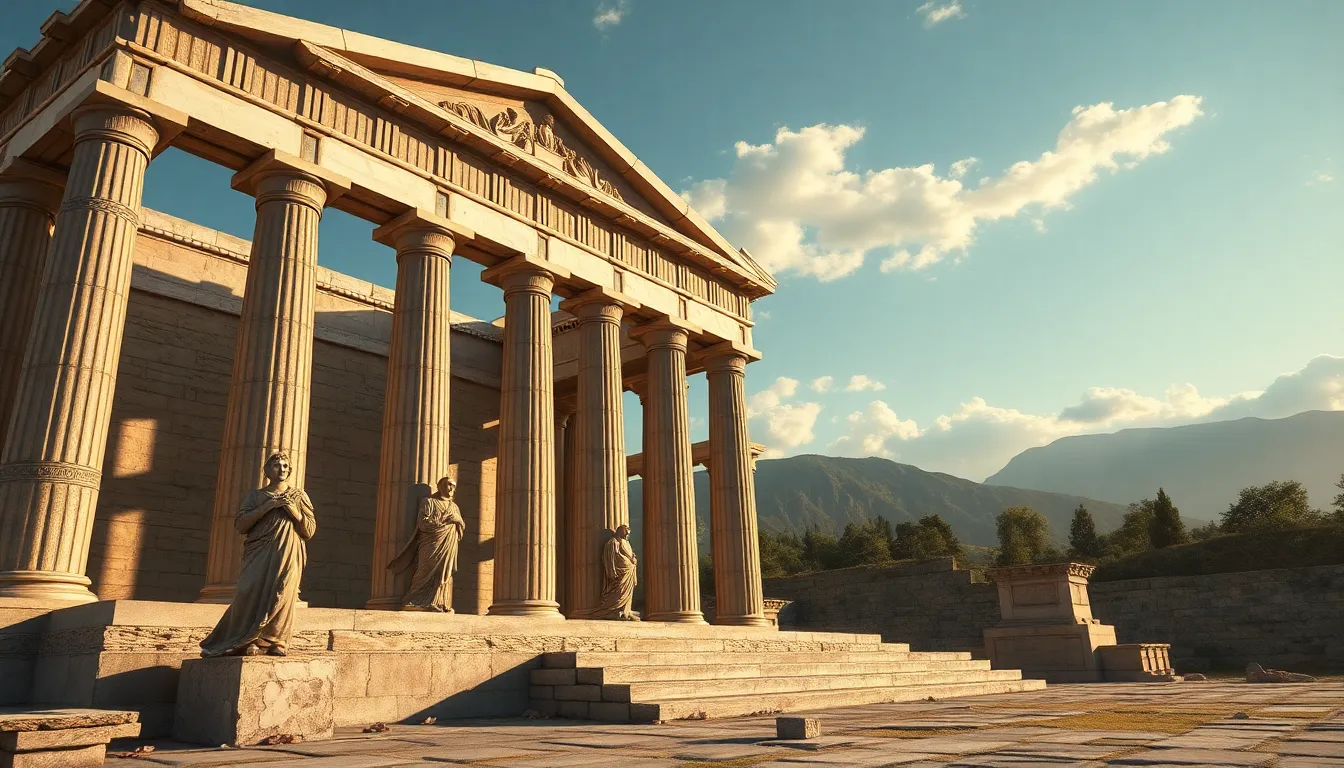
The Athenian Pantheon: Heroes Who Shaped Divine Narratives
I. Introduction
Athenian mythology is a rich tapestry woven from the threads of history, religion, and culture. It reflects the values, beliefs, and practices of ancient Athenians, showcasing the profound connection between mortals and the divine. This article explores the concept of the pantheon within Athenian mythology and the pivotal role that heroes play in shaping these divine narratives.
The pantheon refers to the collective set of gods, goddesses, and divine figures worshipped by a particular culture. In the context of Ancient Greece, and specifically Athens, the pantheon is not only a reflection of worship but also a narrative that illustrates the complexities of human existence, morality, and the pursuit of greatness. This article will delve into the key heroes of Athens, their divine connections, and the impact of their stories on Athenian culture and religion.
The purpose of this article is to provide a comprehensive overview of the Athenian pantheon, focusing on major heroes, their narratives, and their lasting influence on Athenian society.
II. Understanding the Athenian Pantheon
A. Definition of Pantheon in the Context of Ancient Greece
In Ancient Greece, the term “pantheon” refers to the array of gods and goddesses worshipped by the city-states, each with its own unique attributes and domains. Athens, as a significant cultural and political center, had its own distinct pantheon that included major deities such as Athena, Poseidon, and Zeus, as well as a host of lesser-known divine figures.

B. Key Deities and Their Roles in Athenian Society
The deities of the Athenian pantheon played crucial roles in both the spiritual and everyday lives of the citizens. Some of the key deities included:
- Athena: The goddess of wisdom, warfare, and crafts, Athena was the patroness of Athens and a central figure in Athenian identity.
- Poseidon: The god of the sea, earthquakes, and horses, Poseidon was revered in Athenian maritime culture.
- Zeus: The king of the gods, associated with law, order, and justice, Zeus was often invoked in matters of governance and civic duty.
C. The Relationship Between Mortals and Gods
The relationship between mortals and gods in Athenian mythology was characterized by mutual dependence. Mortals depended on the gods for protection, favor, and guidance, while the gods sought worship and offerings in exchange for their blessings. This interplay is vividly illustrated in the myths and rituals that permeated Athenian life.
III. Major Heroes of Athens
A. Theseus: The Hero of Athens
1. Mythical Exploits and Significance
Theseus is one of the most celebrated heroes in Athenian mythology. Known for his incredible strength and cunning, Theseus is often associated with the founding of Athens and its democratic ideals. His adventures include slaying the Minotaur in the labyrinth of Crete and his role in the unification of Attica.
2. Theseus’s Connection to Divine Figures
Theseus’s lineage is often traced back to the gods. He is the son of Aegeus, the king of Athens, and is frequently depicted as a figure favored by Athena, who provides him guidance and support throughout his quests. This divine connection emphasizes the notion of divine favor in achieving greatness.
B. Heracles: The Heroic Demigod
1. His Adventures and Trials
Heracles, or Hercules, is another iconic figure in Athenian mythology known for his extraordinary strength and heroic feats. His twelve labors, which included slaying the Nemean Lion and capturing the Golden Hind, showcase his bravery and resilience. Heracles’s struggles often represent the challenges faced by humanity.
2. Influence on Athenian Hero Cults
The legacy of Heracles had a profound impact on Athenian hero cults. Temples and altars dedicated to him were prevalent throughout the city, reflecting his status as a protector and symbol of strength. His tales of triumph and tragedy resonated deeply with the Athenian populace, inspiring rituals and celebrations in his honor.
IV. Divine Narratives: The Role of Heroes
A. How Heroes Embody Divine Traits and Narratives
Heroes in Athenian mythology often embody traits that are reflective of the gods. Their strength, wisdom, and moral dilemmas mirror the divine challenges faced by the gods themselves. For instance, Theseus’s intelligence and strategic thinking can be likened to Athena’s wisdom, while Heracles’s strength echoes the might of Zeus.
B. The Impact of Heroic Tales on Athenian Culture and Religion
The narratives surrounding these heroes were not merely entertaining stories; they served to reinforce societal values and religious beliefs. The tales of Their exploits often included moral lessons, emphasizing virtues such as bravery, loyalty, and integrity, which were central to Athenian identity.
C. Examples of Myths That Intertwine Heroes and Gods
Numerous myths exemplify the intertwining of heroes and gods, such as:
- The story of Theseus and the Minotaur, where divine intervention plays a crucial role in his success.
- Heracles’s encounters with various gods, including his battles with Ares and his service to Eurystheus, often influenced by divine whims.
V. The Influence of Heroes on Athenian Religion
A. Rituals and Worship Practices Dedicated to Heroes
Heroes were venerated alongside the gods, and specific rituals were dedicated to their worship. These included:
- Heroic sacrifices and offerings, often made during festivals.
- Processions and games held in honor of heroes, particularly during the Panathenaea, a festival dedicated to Athena.
B. The Establishment of Hero Cults and Their Significance
Hero cults emerged as a vital aspect of Athenian religion. These cults celebrated local heroes and provided a sense of community and identity. They often served as a bridge between the mortal realm and the divine, emphasizing the belief that heroes could intercede on behalf of the people.
C. Comparison of Hero Worship to Traditional Worship of Gods
While traditional worship of gods focused on maintaining favor and appeasing deities through ritual, hero worship was often more personal and localized. Citizens identified with heroes, seeing them as relatable figures who embodied their struggles and aspirations. This intimacy fostered a unique connection between the people and their heroes, contrasting with the more distant relationship often experienced with the gods.
VI. Art and Literature: Representations of Heroes
A. The Depiction of Heroes in Athenian Art
Athenian art is replete with representations of heroes, from pottery to sculptures. These works often depicted pivotal moments from heroic narratives, emphasizing their strength and valor. Notable examples include:
- Vases illustrating the labors of Heracles.
- Statues of Theseus, often shown in dynamic poses reflecting his heroic deeds.
B. Literary Sources Highlighting Heroic Narratives
Greek literature, particularly tragedies and epics, played a crucial role in preserving and disseminating heroic tales. Works such as:
- The “Iliad” and “Odyssey” by Homer, which, while primarily focused on gods and wars, also highlight heroic qualities.
- Tragedies by playwrights like Aeschylus and Sophocles that explore the moral dilemmas faced by heroes.
C. The Role of Storytelling in Shaping Public Perception of Heroes
Storytelling served as a means of cultural transmission, shaping the public perception of heroes. Through oral traditions and written texts, the deeds of heroes became legendary, reinforcing societal values and aspirations. The ability to recount these tales allowed Athenians to navigate their own lives with the guidance of these heroic narratives.
VII. Legacy of the Athenian Heroes
A. Enduring Influence on Modern Interpretations of Heroism
The influence of Athenian heroes extends far beyond ancient times, shaping modern interpretations of heroism. Traits such as courage,